Picking a Portable Greenhouse That Survives Wind
The Abba Patio Portable Walk-In Greenhouse leads general garden use with six shelves and dual roll-up doors. Larger plots do better with the Quictent Upgraded 2 Door Pop-Up Greenhouse and its 12 foot tunnel. First-time growers can start smaller with the EAGLE PEAK 6×6 Portable Walk-in Greenhouse.
Wind, not cold, is what actually tears a portable greenhouse apart. Six shelves and a frame built to flex without breaking put the Abba Patio Portable Walk-In Greenhouse ahead for general garden use. Anyone planning a bigger harvest should look at the Quictent Upgraded 2 Door Pop-Up Greenhouse, since its 12 foot tunnel covers more raised beds. Balcony and patio growers usually fare better with something smaller, like the Gardman 4 Tier Mini Greenhouse.
Cheap frames flex under wind, and thin PE covers rip at the seams before a season ends. We compared listed frame material, cover thickness, shelf count and anchoring hardware, then weighted owner reports on wind performance and how long each cover held up outdoors.
What we recommend

Abba Patio Portable Walk-In Greenhouse
Steel tube framing paired with a reinforced PE cover holds its shape through a full growing season outdoors. Six wire shelves organize seedlings by height so nothing shades another tray. Roll-up doors at both ends cross-ventilate the tunnel on hot afternoons.
Pros
- Six shelves fit a full spring seedling rotation
- Doors on both ends allow airflow through the tunnel
- Ground stakes and ropes anchor it against gusts
Cons
- PE cover wears faster in direct summer sun than rigid panels
- Assembly runs long for a first-time build
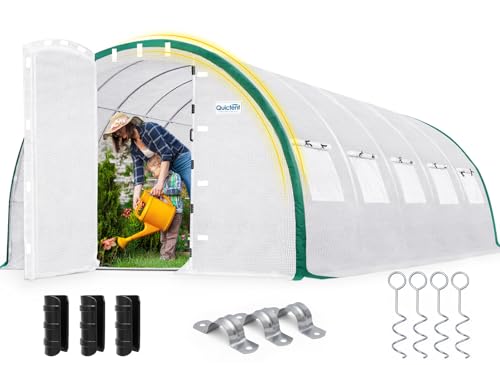
Quictent Upgraded 2 Door Pop-Up Greenhouse
A 12 foot tunnel gives raised beds or a run of container plants room to sit under one structure instead of two. Roll-up mesh windows vent heat without inviting insects inside. According to owner reports, the diamond-weave cover shrugs off light hail better than plain PE sheeting.
Pros
- Long footprint covers multiple raised beds at once
- Mesh windows vent without opening the whole door
- Two doors speed up entry from either side
Cons
- Length needs a flat, mostly rectangular yard section
- Heavier cover takes two people to fit correctly

EAGLE PEAK 6×6 Portable Walk-in Greenhouse
A straightforward tube-and-cover design assembles with the included wrench and no extra tools. Shelving on each side keeps seedlings and hardening-off plants apart. The frame ships pre-cut, so nothing needs trimming to fit according to the listing.
Pros
- Simple frame design suits a first greenhouse build
- Six shelves separate seedlings from hardening-off plants
- Included wrench covers full assembly
Cons
- PE cover needs replacement sooner than heavier tarps
- Base is not enclosed, so pests can enter underneath

Ohuhu Walk-in Greenhouse
Eight ground stakes plus separate rope ties anchor each corner and the ridge line, which matters most in an open yard. A denser PE cover resists tearing better than thinner tarps at the same size. Owners in coastal and plains climates report it holding through steady wind when properly staked.
Pros
- Extra stakes and rope ties add real wind resistance
- Denser cover resists small tears and punctures
- Galvanized frame resists rust through wet seasons
Cons
- Full anchoring kit takes longer to install
- Larger footprint needs a level, open site
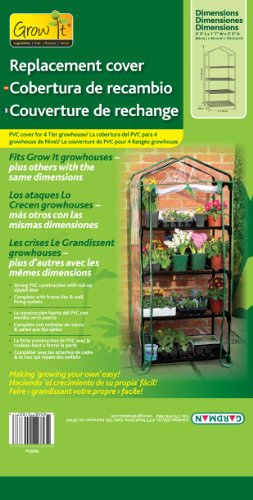
Gardman 4 Tier Mini Greenhouse
A narrow footprint fits a balcony rail or a strip beside a patio door where a full walk-in tunnel never would. Four wire shelves stack vertically instead of spreading out, keeping floor space small. Tie-down straps anchor it to a fence or railing when open ground is not an option.
Pros
- Narrow footprint suits balconies and patios
- Four shelves add vertical space without extra width
- Straps anchor to a railing where stakes will not work
Cons
- Too small for anything beyond seed starting and cuttings
- Clear PVC cover fades and stiffens after a season or two

Flower House FHSH500 Pop-up Sunhouse
A spring-steel frame pops into shape much like a camping tent, with no wrench or hub connectors involved. It folds flat again for storage in the included bag, useful for anyone without a shed. Two mesh-covered vents keep air moving without a full roll-up door.
Pros
- Sets up and folds down in minutes with zero tools
- Compact carry bag suits limited storage space
- Mesh vents allow airflow without opening a door
Cons
- Rounded shape limits usable shelf space
- Not built for long-term, fixed placement in one spot

Home-Complete Mini Greenhouse
A steel tube frame and PVC cover deliver the same basic function as pricier mini greenhouses. Four shelves fit trays of seedlings or a run of potted herbs. Owners mostly use it to test whether a mini greenhouse earns a permanent spot before upgrading.
Pros
- Lowest cost entry into a mini greenhouse
- Four shelves handle a full seed-starting tray set
- Roll-up front simplifies daily watering access
Cons
- Cover and zipper are the first parts to wear out
- Frame flexes more than heavier-duty mini models
Side by side
| # | Model | Footprint | Best for | Score | Price |
|---|---|---|---|---|---|
| 1 | Abba Patio Portable Walk-In Greenhouse | 8 x 6 x 7 ft | Best overall | 9.4 | Check price |
| 2 | Quictent Upgraded 2 Door Pop-Up Greenhouse | 12 x 7 x 7 ft | Best for large gardens | 9.2 | Check price |
| 3 | EAGLE PEAK 6×6 Portable Walk-in Greenhouse | 6 x 6 x 7 ft | Best for beginners | 9.0 | Check price |
| 4 | Ohuhu Walk-in Greenhouse | 9.8 x 6.6 x 6.6 ft | Best for windy climates | 8.8 | Check price |
| 5 | Gardman 4 Tier Mini Greenhouse | 27 x 19 x 63 in | Best for balconies and small spaces | 8.6 | Check price |
| 6 | Flower House FHSH500 Pop-up Sunhouse | 68 x 68 x 67 in | Best for quick setup | 8.3 | Check price |
| 7 | Home-Complete Mini Greenhouse | 27 x 19 x 62 in | Best budget mini greenhouse | 8.0 | Check price |
How to choose
What should you look for in a portable greenhouse? Frame material sets the ceiling for how much wind and snow load a structure handles. Steel tube frames flex less than thin PVC and hold their shape through a full season outdoors. Cover material matters just as much, since basic PE tarps cost less but degrade faster under UV than heavier reinforced weaves. Shelving turns a tunnel into usable growing space instead of just covered ground. Roll-up doors and mesh vents keep summer heat from cooking seedlings inside a sealed cover.
Walk-in vs mini greenhouse: which one fits your yard? A walk-in tunnel suits anyone starting more than a few trays or running a full raised bed rotation. Six to eight feet of height lets an adult work standing up instead of kneeling at a hatch. Mini greenhouses skip that headroom and stack shelves vertically inside a narrow footprint instead. Balconies, patios and small yards usually cannot fit a walk-in tunnel at all, making the mini format the only realistic option there. Choose based on square footage available, not on how many plants you eventually want to grow.
Best setup for small spaces, balconies and patios Tie-down straps matter more than ground stakes when there is no soil to anchor into. The Gardman 4 Tier Mini Greenhouse straps to a railing or fence post instead of relying on stakes alone. Vertical shelving fits more trays into a narrow footprint than a single wide shelf would. Clear PVC covers on mini models let in more light per square foot, offsetting the smaller footprint somewhat. Check railing width and door swing before ordering, since mini greenhouses still need clearance to open fully.
Getting a portable greenhouse through wind and storms Stakes alone rarely hold a full-size tunnel through a real storm. Ropes tied from the ridge and corners to separate ground anchors spread the load past what stakes handle alone. The Ohuhu Walk-in Greenhouse ships with extra stakes and rope ties for exactly this reason. Roll up and secure the doors before a forecasted storm, since an open door lets wind get underneath the cover and lift it. Reinforced, UV-treated PE resists tearing longer than a basic tarp cover under repeated wind stress.
Questions worth asking
How much wind can a portable greenhouse handle?
Most PE-covered tunnels handle steady wind under 30 mph when properly staked and roped at the ridge. Gusts above that can lift an unanchored cover or bend a thin frame. Reinforced covers and galvanized steel frames, like those on the Ohuhu Walk-in Greenhouse, hold up better in open, exposed yards.
Do portable greenhouses work in winter?
A single-layer PE cover slows frost but will not keep a greenhouse warm through a hard freeze on its own. Owners typically add a space heater or thermal mass like water barrels for winter use. Expect these structures to extend spring and fall by several weeks rather than replace a heated winter greenhouse.
Can you leave a pop-up greenhouse up all year?
PE and PVC covers degrade faster with year-round UV exposure than with seasonal use. Folding designs like the Flower House FHSH500 Pop-up Sunhouse are made to come down and store flat between seasons. Walk-in tunnels can stay up longer if the cover is UV-treated and the site drains well.
What size portable greenhouse do I need?
Match the footprint to your growing plan, not the other way around. A 6 by 6 foot walk-in suits a handful of raised beds or container groups. Larger plots benefit from a tunnel style like the Quictent Upgraded 2 Door Pop-Up Greenhouse, which stretches to 12 feet without adding much width.
Is a portable greenhouse worth it for a small yard?
Mini greenhouses like the Gardman 4 Tier Mini Greenhouse fit a balcony, patio or narrow side yard where a walk-in tunnel never would. They trade floor space for vertical shelving, which still adds real growing capacity. Worth it comes down to whether the site gets enough sun, since a shaded balcony limits any greenhouse.
How do you anchor a portable greenhouse to the ground?
Ground stakes through grommets at the base are the standard method on grass or soil. Rope ties from the ridge and corners to separate stakes add resistance against lifting in wind. Concrete pavers or sandbags work on patios and decks where stakes cannot go into the ground.
PE cover vs PVC cover, which lasts longer?
Reinforced, UV-treated PE generally outlasts basic PVC under direct sun, since PVC stiffens and cracks with heat cycling over time. PVC covers on mini greenhouses see less total UV exposure due to their smaller size, so the gap matters less there. Either material eventually needs replacement, and most makers sell the cover separately from the frame.
Do portable greenhouses need ventilation?
Yes, temperatures inside a sealed cover climb well past outdoor readings on a sunny afternoon. Roll-up doors and mesh vents, like the two doors on the EAGLE PEAK 6×6 Portable Walk-in Greenhouse, let hot air escape without removing the whole cover. Leaving vents cracked on warm days prevents heat stress on seedlings.
Walk-in greenhouse vs raised bed cover, which is better for vegetables?
A walk-in greenhouse suits a longer growing season and multiple crop types, since shelving and standing headroom support both seedlings and mature plants. A simple raised bed cover works fine for a single crop but offers none of the shelving or ventilation control a walk-in tunnel provides.
How long does a portable greenhouse cover typically last?
Reinforced PE covers on models like the Abba Patio and Ohuhu tend to hold up for two to three outdoor seasons under normal UV exposure. Basic PVC covers on mini greenhouses often need replacing after one to two seasons as the material stiffens and cracks.
Our pick
Wind resistance separates the greenhouses worth keeping from the ones that fold by midsummer. The Abba Patio Portable Walk-In Greenhouse balances shelving and anchoring well enough for most yards. Bigger plots do better with the Quictent Upgraded 2 Door Pop-Up Greenhouse, while balcony growers should look at the Gardman 4 Tier Mini Greenhouse instead.