Portable RV Tire Pressure Monitors Built for Heavy Loads
The TireMinder Smart TPMS is the top pick for most RV owners because it offers a large color display, precise dual alerts, and a proven sensor range. It works with trailers up to 185 psi and handles extreme heat. Its main limitation is the higher price for a full six sensor kit. For budget minded buyers, the EEZTire TPMS delivers reliable monitoring with a simpler setup, though its sensor battery life is shorter.
Maintaining proper tire pressure is critical for RV safety, especially when hauling heavy loads. Underinflated tires generate heat and can lead to blowouts. A portable tire pressure monitoring system (TPMS) gives you real time readings while you drive.
This roundup focuses on portable models that can handle the high pressure demands of RV tires. We compared features like maximum psi, sensor range, and alert methods. All seven products are currently available on Amazon and have proven track records with RV owners.
The top picks, ranked

TireMinder Smart TPMS with Color Display
The TireMinder Smart is a dedicated RV TPMS that supports up to 185 psi, making it suitable for most heavy duty trailers and fifth wheels. It comes with a large 2.8 inch color display that shows all tire pressures at a glance. The system uses flow through sensors that are easy to install and feature auto locate. Owners report excellent range even with long trailers.
Pros
- High pressure rating for heavy duty tires
- Color display is easy to read in sunlight
- Flow through sensors allow easy inflation
Cons
- Higher price than some portable models
- Sensors are bulkier and may need spacers

EEZTire TPMS with 6 Sensors
EEZTire offers a reliable portable TPMS that supports up to 87 psi, which covers many RV tires but not all heavy duty setups. It features a solar powered display that attaches to the windshield or dash. Sensors are lightweight and lock to prevent theft. Owners appreciate the easy setup and clear alerts.
Pros
- Affordable for a six sensor system
- Solar display reduces battery concerns
- Simple installation with no special tools
Cons
- Pressure limit may not suit all heavy duty trailers
- Sensor battery life is shorter than some rivals
Tymate TPMS with Signal Booster
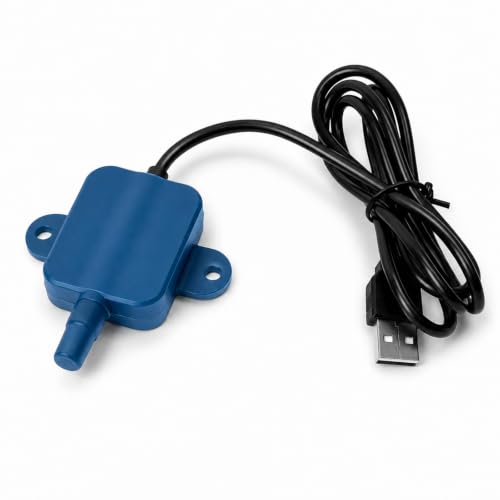
Tymate is designed for RVs and trailers up to 87 psi. It includes a signal booster that extends the range to over 100 feet, which is ideal for fifth wheels and travel trailers over 30 feet. The 4.5 inch display shows all tires and provides high temperature and pressure alerts. Owners note that the booster requires 12V power but is easy to connect.
Pros
- Signal booster ensures reception for long trailers
- Large display is easy to read
- Includes both high temperature and pressure alerts
Cons
- Pressure rating not for heavy duty commercial tires
- Booster adds an extra component to install
Minder Research Smart TPMS with Repeater
The Minder Research Smart system is a professional grade TPMS that supports up to 185 psi. It works with additional sensors for trailers, towed vehicles, and even spare tires. The display can handle up to 22 sensors. It features a signal repeater to extend range. Owners report that the system is highly accurate but requires more initial setup.
Pros
- Can monitor up to 22 tires
- High pressure rating for heavy duty
- Repeater extends range for long rigs
Cons
- Display is less colorful than some
- Setup can be complex for non technical users

GUTA TPMS with 6 Sensors
GUTA offers a portable TPMS with a solar powered display and six external sensors. It supports up to 87 psi, which fits many Class A and Class C RVs. The display features a built in lithium battery that maintains charge. Owners like the simple interface and the low cost of the system.
Pros
- Solar display with long battery life
- Easy to read icons and numbers
- Compact sensors fit most valve stems
Cons
- Pressure limit not for heavy duty trucks
- Sensors are not flow through, need removal for inflation
Fosmon TPMS with 4 Sensors
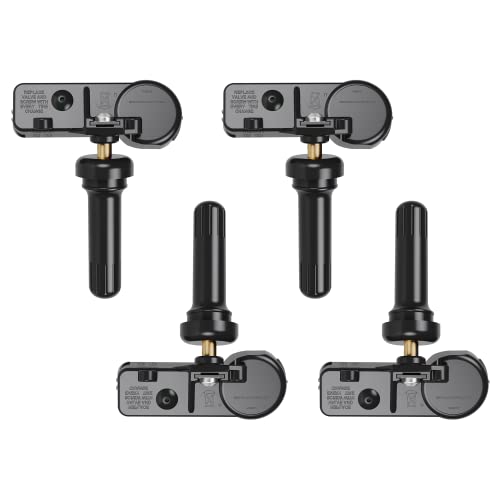
Fosmon provides a budget friendly four sensor TPMS that is portable and easy to use. It supports up to 87 psi, suitable for many travel trailers and towed cars. The small display plugs into the 12V outlet and shows pressure and temperature. Owners report that it works well for shorter trailers but range may be limited.
Pros
- Very affordable entry level option
- Compact display does not block view
- Includes batteries for sensors
Cons
- Range may be insufficient for long fifth wheels
- Only four sensors included

CURT 51100 TPMS
CURT is known for towing products, and their TPMS is designed specifically for trailers. It supports up to 87 psi and includes four sensors. The display is wired to the 12V outlet and shows pressure and temperature. Owners appreciate the build quality and clear instructions. However, it lacks advanced features like signal boosting.
Pros
- Reputable brand with solid warranty
- Simple, reliable operation
- Easy to read display
Cons
- Lower pressure rating than heavy duty needs
- No solar option or repeater
What to look for
Side by side
| # | Model | Max Pressure | Best for | Score | Price |
|---|---|---|---|---|---|
| 1 | TireMinder Smart TPMS with Color Display | 185 psi | Best Overall for Heavy Duty RVs | 9.4 | Check price |
| 2 | EEZTire TPMS with 6 Sensors | 87 psi | Best Value for Most RVers | 9.0 | Check price |
| 3 | Tymate TPMS with Signal Booster | 87 psi | Best for Long Trailers and Fifth Wheels | 8.9 | Check price |
| 4 | Minder Research Smart TPMS with Repeater | 185 psi | Best for Multiple Trailers | 8.8 | Check price |
| 5 | GUTA TPMS with 6 Sensors | 87 psi | Best for Solar Powered Convenience | 8.5 | Check price |
| 6 | Fosmon TPMS with 4 Sensors | 87 psi | Best for Small Trailers and Towed Vehicles | 8.3 | Check price |
| 7 | CURT 51100 TPMS | 87 psi | Best for a Reliable Brand | 8.2 | Check price |
Frequently asked questions
What is the ideal tire pressure for my RV?
The ideal pressure is listed on the tire sidewall and in the RV owner’s manual. It is based on the load and tires. Always use the cold inflation pressure when tires are cool. For heavy loads, you may need to increase pressure. A TPMS helps you monitor and maintain that pressure.
Can a portable TPMS handle high pressure tires above 100 psi?
Yes, some portable models support up to 185 psi. Check the maximum pressure rating before purchasing. Many entry level units are limited to 87 psi. For heavy duty trucks or large fifth wheels, choose a system with a higher rating.
How do I install a portable TPMS?
Installation is simple. Screw the sensors onto each tire valve stem, replacing the dust cap. Then power the display unit and pair each sensor. The display will show pressure and temperature for each tire. Follow the manufacturer’s instructions for sensor orientation.
Will the TPMS work while I am towing a trailer?
Yes, portable TPMS are designed for towing. They monitor the trailer tires as well as the RV tires if you have enough sensors. Some kits include six or more sensors. Ensure the display is within range of the trailer tires.
How often should I check my tire pressure?
Check tire pressure at least once a month and before every long trip. A TPMS provides continuous monitoring while driving. Temperature changes can affect pressure, so it is important to maintain the correct pressure.
Can I use the same TPMS for my truck and RV?
Yes, many portable TPMS allow you to move the display between vehicles. You need separate sensors for each set of tires. Some systems can monitor multiple vehicles if you purchase extra sensors.
What is the sensor battery life?
Sensor battery life varies from 1 to 2 years depending on usage and type. Some sensors have replaceable batteries, while others are sealed. When the battery dies, you may need to replace the entire sensor. Check reviews for real world battery life.
Are there any disadvantages to using a portable TPMS?
The main disadvantages are that sensors can be stolen or damaged, and you must install them each time you tow. Some systems have limited range or require a booster. Also, low cost units may have shorter battery life or less accurate readings. Choose a reputable brand.
Do TPMS sensors work with metal valve stems?
Yes, they work with both rubber and metal valve stems. Metal stems are recommended for high pressure and heavy loads. They are more durable and less likely to leak. Some TPMS kits include metal stems or adapters.
Can a TPMS detect slow leaks?
Yes, most TPMS will alert you if pressure drops below a set threshold. Some also detect rapid pressure loss. This can help you avoid a blowout. However, a TPMS does not replace regular visual inspections.
Our pick
For most RV owners with heavy duty trailers, the TireMinder Smart TPMS is the best choice because it offers a high pressure rating and reliable performance. If you are on a tight budget, the EEZTire TPMS provides good value for standard RV tires. For those towing extra long fifth wheels, consider the Tymate with signal booster. Regardless of your choice, a portable TPMS is a worthwhile investment for safety and peace of mind.