Which Horse Health Kit Should Ride Along on the Trail?
Battle Creek’s Equine First Aid Kit handles the widest range of barn and trailer emergencies in one zippered bag. Tough 1’s Deluxe kit covers similar ground for less. For a fast pre-ride check, Jorgensen Labs’ digital thermometer reads vitals in about ten seconds.
Battle Creek’s Equine First Aid Kit suits any barn or trailer that needs wound care, bandaging and antiseptic in a single bag, though it skips a thermometer entirely. Add the Jorgensen Labs digital thermometer for vitals, and most emergencies away from home are covered. Riders on a tighter budget lose little switching to the Tough 1 Deluxe kit instead.
A horse’s kit needs different tools depending on whether you are trailering, trail riding or working a home barn. We compared what each product treats, how compact it packs and what owners report about reliability during real emergencies, then split picks across first aid, wound care and recovery.
The shortlist, ranked
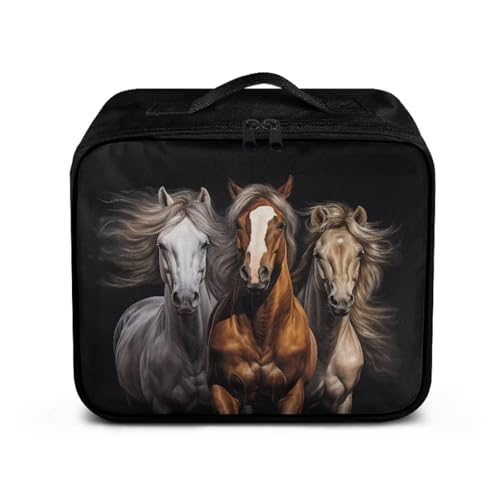
Battle Creek Equine First Aid Kit
Bandages, gauze, scissors and antiseptic wipes sit in labeled compartments inside this zippered nylon bag. A tack room shelf or trailer tack box holds it without loose supplies spreading everywhere. Most of the minor cuts and scrapes a barn deals with regularly fall within its coverage.
Pros
- Labeled compartments keep supplies organized
- Covers most common minor injuries
- Fits standard trailer tack boxes
Cons
- No thermometer included
- Refilling used items means a separate purchase

Tough 1 Deluxe Horse First Aid Kit Bag
Multiple pockets on this soft-sided bag hold basic wound care items at a lower cost than the Battle Creek kit. Wraps, tape and antiseptic wipes handle routine scrapes picked up on the trail. An adjustable shoulder strap makes the bag easy to carry from trailer to paddock.
Pros
- Costs less than premium first aid kits
- Shoulder strap eases the carry to paddock
- Handles routine trail scrapes well
Cons
- Smaller supply quantities than larger kits
- Fewer specialty items included

Jorgensen Labs Digital Livestock Thermometer
Rectal temperature reads in about ten seconds with this thermometer’s flexible tip, fast enough for a pre-ride check. An audible beep signals when the reading locks in. Clip it to a belt loop or drop it into a small kit pocket between uses.
Pros
- Fast reading suits quick pre-ride checks
- Flexible tip is gentler on the horse
- Small enough for any kit pocket
Cons
- Needs batteries that require replacement
- No memory to store past readings

AniMed Vetrap Bandaging Tape
No pins, tape or clips are needed since this wrap sticks to itself once applied. A 4 inch width covers legs and larger wound areas in fewer passes. Stretch in the cohesive fabric lets it fit around joints without cutting off circulation when wrapped correctly.
Pros
- Secures without pins or tape
- Stretches to fit around joints
- Wide roll covers area quickly
Cons
- Can restrict circulation if wrapped too tight
- Not waterproof in wet trail conditions
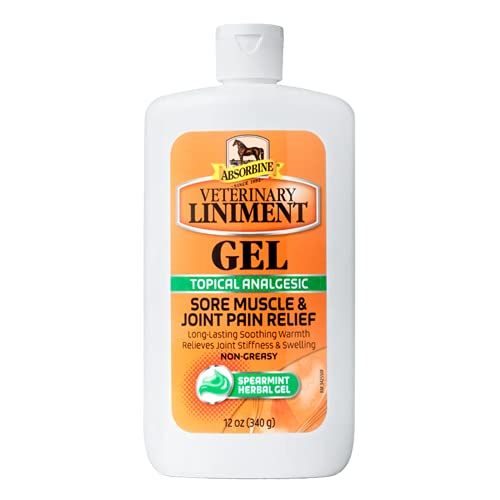
Absorbine Veterinary Liniment Gel
Sore muscles and tendons cool down after a long trailer ride or hard workout with this menthol-based gel. Its no-sting formula skips the alcohol burn found in older liniments. A small tube travels easily inside a saddle bag.
Pros
- Gentler no-sting formula on skin
- Compact tube travels well
- Cools muscles quickly after exertion
Cons
- Offers temporary relief, not treatment
- Strong menthol scent lingers on hands

Durvet Triple Antibiotic Ointment
Minor cuts and abrasions get covered at a low cost per tube with this petroleum-based ointment. Triple antibiotic action targets bacteria common to barn environments. Its thick, low-drip consistency stays on the wound rather than running off.
Pros
- Lowest cost item in this lineup
- Thick formula stays put on wounds
- Targets common barn bacteria
Cons
- Not effective on deep or serious wounds
- Small tube empties quickly on larger areas

Farnam Wound Kote Aerosol Spray
A flexible antiseptic film forms over a wound in seconds with this aerosol spray, no wrapping required. Flies target open cuts on trail rides, and this spray also repels them. The can fits easily into a saddle bag side pocket.
Pros
- No wrapping needed after application
- Fly repellent protects open wounds
- Compact can fits a saddle bag
Cons
- Coating wears off faster than a bandage
- Can dents if packed carelessly
How to choose
What belongs in a portable horse health kit Three jobs define a workable kit: checking vitals, cleaning a wound and bandaging it. Skip any one of those and a real emergency exposes the gap. Start with a first aid bag, add a digital thermometer, then round it out with wound spray or ointment for the scrapes that show up daily. A kit missing a thermometer still handles cuts, but it leaves you guessing whether a fever needs a vet call.
Choosing supplies for trailering and trail rides Fences, rocks and loading ramps expose horses to cuts during trailer trips and trail rides. Farnam Wound Kote treats a wound fast without a wrap, useful when you are away from the barn entirely. Pack a self-adhesive wrap too, since some cuts still need pressure and coverage that a spray alone cannot provide.
Recovery care after hard work or long hauls Muscles stiffen after a long trailer ride the same way a long car ride stiffens a rider. Absorbine’s menthol gel eases that stiffness quickly once a horse is unloaded. It treats discomfort, not injury, so switch to wound care products the moment you spot swelling, heat or an actual cut.
When to size up from a basic kit A single trail horse rarely needs more than a compact bag and a thermometer. Barns boarding several horses, or anyone hauling regularly, benefit from a fuller kit like the Battle Creek Equine First Aid Kit. More horses simply mean more chances for a scrape on any given day, and restocking a bigger kit less often beats running out mid-trip.
Side by side
| # | Model | Case type | Best for | Score | Price |
|---|---|---|---|---|---|
| 1 | Battle Creek Equine First Aid Kit | Zippered nylon bag | Best overall | 9.4 | Check price |
| 2 | Tough 1 Deluxe Horse First Aid Kit Bag | Soft-sided nylon bag | Best value | 9.1 | Check price |
| 3 | Jorgensen Labs Digital Livestock Thermometer | About 10 seconds | Best for quick vitals checks | 8.8 | Check price |
| 4 | AniMed Vetrap Bandaging Tape | 4 inches | Best for wound wrapping | 8.6 | Check price |
| 5 | Absorbine Veterinary Liniment Gel | Gel | Best for muscle recovery | 8.3 | Check price |
| 6 | Durvet Triple Antibiotic Ointment | Petroleum jelly | Best budget for wound care | 8.1 | Check price |
| 7 | Farnam Wound Kote Aerosol Spray | Aerosol spray | Best for trailer and trail use | 8.0 | Check price |
Common questions
What should be in a horse first aid kit?
A basic kit needs wound cleaner, self-adhesive wrap, scissors, gauze and a thermometer. The Battle Creek Equine First Aid Kit bundles most of these into one bag.
How do I take a horse’s temperature on the trail?
A digital rectal thermometer like the Jorgensen Labs model reads in about ten seconds. Normal resting temperature runs between 99 and 101 degrees Fahrenheit, so pack one if a horse seems off.
Can I use human antiseptic on a horse wound?
Some human products work, but livestock-specific formulas like Durvet’s triple antibiotic ointment are labeled for animal skin and common barn bacteria. Check with a veterinarian before using anything unfamiliar on a deep wound.
Does Vetrap need tape to stay on?
No, AniMed Vetrap sticks to itself once wrapped, so pins or tape are not required. Wrap snugly but leave room to slide two fingers underneath to avoid cutting off circulation.
What helps sore muscles after a long trailer ride?
A menthol-based liniment gel like Absorbine’s cools muscles and eases stiffness after unloading. It treats general soreness, not swelling or injury, which needs separate attention.
Is aerosol wound spray better than a bandage?
Aerosol sprays like Farnam Wound Kote work faster on minor cuts and add fly protection. Deeper wounds still need a bandage for pressure and to keep debris out.
How often should I restock a horse first aid kit?
Check supplies every few months, since gauze and wraps get used up gradually. Replace any ointment or spray past its expiration date before a trip.
What size first aid kit does a single trail horse need?
A compact bag like the Tough 1 Deluxe kit covers one horse for routine trail scrapes. Barns with multiple horses should size up to a fuller kit instead.
Battle Creek vs Tough 1: which horse first aid kit is better?
Battle Creek covers more ground with labeled compartments and broader contents, while Tough 1 costs less and still handles routine trail scrapes. Barns with frequent injuries lean toward Battle Creek.
What is a normal horse temperature range?
A resting horse typically runs between 99 and 101 degrees Fahrenheit. A reading outside that range is a common trigger for calling a veterinarian.
Final word
Most owners should start with the Battle Creek Equine First Aid Kit, since it covers wound care, bandaging and cuts in one portable bag. Riders on a tighter budget lose little by choosing the Tough 1 Deluxe kit instead. Anyone hauling horses regularly should add the Jorgensen Labs thermometer and Farnam Wound Kote spray for issues that come up away from the barn.


