Portable Marine Battery Chargers That Keep Your Boat Ready
The NOCO Genius GENPRO10X3 is our top pick for most boat owners because it charges three batteries independently and handles all common marine battery types, but it is not truly portable for on-water use.
A dead battery can ruin a day on the water. A portable charger can save you, whether you are at the dock or on a trailer.
We compared seven popular models based on specifications and owner reports. Look for one that matches your battery type and charging needs.
What we recommend
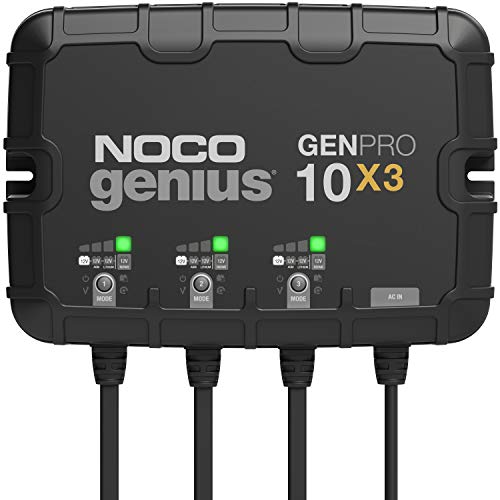
NOCO Genius GENPRO10X3
A three-bank charger that handles up to 10 amps per bank. It is smart and can charge AGM, gel, and lithium batteries. The GENPRO is not compact, but it is a favorite for boats with multiple batteries.
Pros
- Charges three batteries independently
- Works with all common marine battery types
- Built-in thermal sensor for safe charging
Cons
- Large and heavy, not truly portable
- Requires AC power, no DC option

Battery Tender Plus 021-0128
A compact 1.25 amp charger that maintains batteries over long periods. Perfect for keeping a starting battery topped off. It is not for fast charging, but it excels at maintenance.
Pros
- Very compact and easy to store
- Switches to float mode automatically
- Spark-proof and reverse polarity protected
Cons
- Low amp output, slow charging
- Not suitable for large battery banks

Schumacher SC1281
A 15 amp charger with a 100 amp engine start mode. It can handle large deep cycle batteries and even jump start a boat engine. Owners report it is sturdy, but it is not waterproof.
Pros
- High output for fast charging
- Engine start mode for emergencies
- Digital display shows charge status
Cons
- Not waterproof, keep away from water
- Bulky and heavy

Optimate 4 Quad Programmer
A 0.8 amp charger that is gentle on small batteries. It is popular for personal watercraft and small boat engines. The Optimate has a desulfation mode to extend battery life.
Pros
- Desulfation mode revives weak batteries
- Water resistant housing
- Compact and lightweight
Cons
- Very low amperage, not for large batteries
- No lithium support
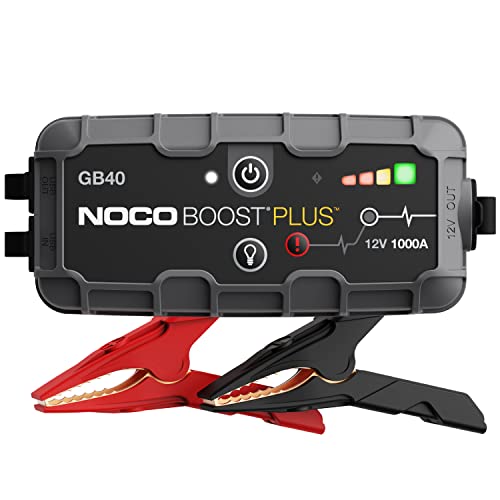
NOCO Boost Plus GB40
A lithium jump starter pack that can also charge USB devices. It is not a full charger, but it can jump start a dead marine battery. The GB40 is compact and easy to carry.
Pros
- Can jump start a boat without AC power
- Built-in LED flashlight
- Charges phones and devices
Cons
- Does not fully charge a battery
- Limited to jump starting only

CTEK MXS 5.0
A 5 amp automatic charger that offers multiple modes for different battery types and temperatures. It is known for its diagnostic capabilities and patented desulfation. The MXS 5.0 is a top choice for serious boaters.
Pros
- Advanced diagnostic and desulfation
- Temperature compensated charging
- Water resistant and splash proof
Cons
- Single bank only
- Higher price for the amperage
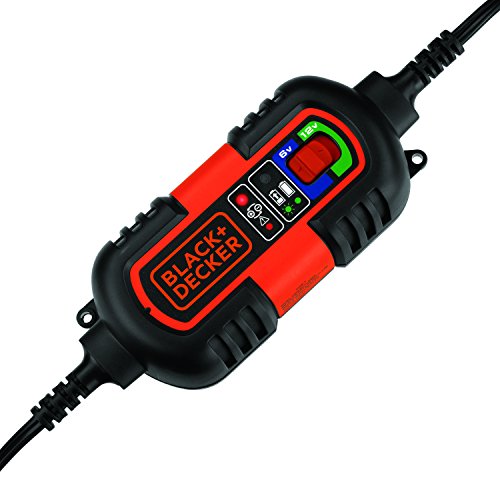
Black+Decker BM3B
A 3 amp maintainer and charger at a wallet friendly price. It is simple to use and works for standard batteries. While it lacks advanced features, it gets the job done for basic needs.
Pros
- Affordable price
- Easy to use
- Compact design
Cons
- No lithium support
- Not waterproof
Compared at a glance
| # | Model | Charging Banks | Best for | Score | Price |
|---|---|---|---|---|---|
| 1 | NOCO Genius GENPRO10X3 | 3 | Multi-battery boats | 9.4 | Check price |
| 2 | Battery Tender Plus 021-0128 | 1 | Small boats and winter storage | 9.0 | Check price |
| 3 | Schumacher SC1281 | 1 | High-capacity deep cycle batteries | 8.8 | Check price |
| 4 | Optimate 4 Quad Programmer | 1 | Motorcycle and ATV batteries | 8.6 | Check price |
| 5 | NOCO Boost Plus GB40 | 1 | Emergency jump starts | 8.5 | Check price |
| 6 | CTEK MXS 5.0 | 1 | Precision charging and diagnostics | 9.2 | Check price |
| 7 | Black+Decker BM3B | 1 | Budget-conscious boaters | 8.0 | Check price |
How to pick the right one
Frequently asked questions
Can I use a regular car battery charger for a marine battery?
Yes, but it is not ideal. Marine batteries are often deep cycle and need a charger that matches their profile. A smart charger with marine settings is safer.
How long does it take to charge a marine battery?
It depends on the battery size and charger amperage. A 100Ah battery with a 10 amp charger will take about 10 hours from empty. Lower amp chargers take longer.
What is the difference between a charger and a maintainer?
A charger provides current to recharge a battery. A maintainer keeps a fully charged battery from losing charge. Many smart chargers do both.
Can I charge a lithium marine battery with any charger?
No, lithium batteries require a charger with a specific lithium profile. Using the wrong charger can damage the battery.
Is it safe to leave a portable charger connected to a battery?
Most modern chargers have float mode and can be left connected. But always follow the manufacturer’s instructions and check for any signs of overheating.
What does desulfation mean?
Desulfation is a process that breaks down sulfate crystals on lead acid battery plates. It can restore some capacity to older batteries.
Do I need a waterproof charger for my boat?
If the charger will be exposed to moisture, yes. Look for an IP rating. However, even waterproof chargers should be installed in a dry location if possible.
Can a portable jump starter charge a boat battery?
A jump starter can start an engine, but it does not have enough capacity to fully charge a large marine battery. Use a proper charger for a full charge.
Our pick
For most boaters, the NOCO Genius GENPRO10X3 offers the best combination of multi battery support and smart features. If you need a portable option for emergencies, consider the NOCO Boost Plus GB40 jump starter. For budget buyers, the Black+Decker BM3B is a reliable basic charger.