Baseball Equipment That Holds Up at a Competitive Level
Marucci’s CAT9 Composite bat leads for balanced two-piece power. The Rawlings Heart of the Hide glove suits infielders who need durable steer hide, while Easton’s Z5 2.0 helmet adds NOCSAE-certified protection at a lighter shell weight for travel ball and high school players.
Marucci’s CAT9 Composite bat suits travel ball and high school hitters who want a two-piece feel with less sting on mishits. It costs more than single-piece alloy bats, and no single product in this list covers hitting, fielding, catching, and protection at once.
Bat, glove, helmet, and catcher’s gear categories each carry their own certification standards and sizing rules, which gets confusing fast. We compared listings by material, safety certifications like BBCOR and NOCSAE, position-specific design, and owner-reported fit to match each product to the decision a buyer actually faces.
What matters most
What to look for in competitive-level baseball equipment Certification comes first, since leagues require BBCOR stamps on bats and NOCSAE approval on helmets. Material quality follows, with steer hide leather and composite barrels outlasting entry-level synthetics. Position and skill level then narrow the choice, because a catcher’s mitt and an infield glove solve different problems. Budget should follow function rather than lead it, since underpowered protective gear carries real risk.
Bat vs glove: where should new gear budget go first A glove typically lasts several seasons with proper care, while bats wear down from repeated contact and lose pop over time. Players on a budget often prioritize a certified bat first, since swing performance shows up immediately in game results. A broken-in glove can be patched or reconditioned longer than most bats can be salvaged.
How position changes the equipment list Catchers need a mitt with a solid web and heavy padding to absorb higher-velocity pitches safely. Infielders favor smaller gloves with shallow pockets for faster transfers on ground balls. Outfielders typically choose longer gloves for extended reach on fly balls. Pitchers often use closed web patterns to hide grip from batters before release.
Do training aids and bags matter as much as bats and gloves A swing trainer will not replace live batting practice, but it adds repetitions when a second person is not available. Storage bags protect leather gloves and bat finishes from cracking in extreme heat or cold. Neither item affects on-field performance directly, yet both extend the working life of the core gear a team invests in.
The top picks, ranked

Marucci CAT9 Composite Bat
A composite handle pairs with an AZR alloy barrel in this BBCOR certified bat to cut vibration on mishits. Marucci markets it toward high school and travel ball hitters chasing a balanced two-piece swing. An AV2 anti-vibration knob targets sting reduction on off-center contact.
Pros
- Two-piece build cuts hand sting on mishits
- Balanced swing weight suits contact and gap hitters
- BBCOR stamp clears most high school league rules
Cons
- Composite handle needs a short break-in period
- Priced above comparable single-piece alloy bats
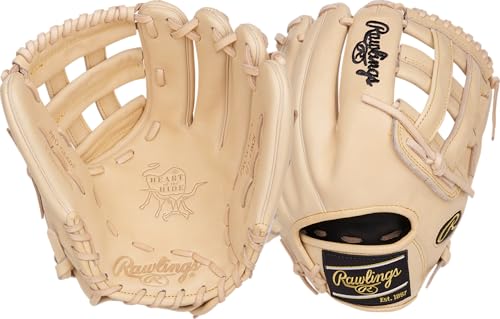
Rawlings Heart of the Hide Glove
Steer hide leather forms this glove, a long-running choice among infielders for its firm pocket and shape retention. Rawlings offers several web patterns, with the Pro I web common at middle infield. Owners report the leather softens after consistent use and conditioning.
Pros
- Firm pocket holds shape across a full season
- Pro I web speeds up transfers for infielders
- Leather quality supports long-term durability
Cons
- Needs deliberate break-in before game readiness
- Feels stiffer out of the box than synthetic gloves

Easton Z5 2.0 Batting Helmet
A high-impact ABS shell pairs with a moisture-wicking BioDRI liner in this helmet for extended wear comfort. It meets NOCSAE certification standards required for youth and high school play. An adjustable ear flap helps fit a range of head shapes.
Pros
- NOCSAE certification meets most league requirements
- BioDRI liner wicks sweat through long practices
- Shell weighs less than older helmet generations
Cons
- Color and finish options stay limited
- Sizing runs snug for players between size charts

Franklin CFX Pro Batting Gloves
Pittard’s sheepskin leather covers the palm of these batting gloves for grip and feedback at the plate. An adjustable wrist strap keeps fit snug through every swing. Sizing spans youth through adult, which makes them a common team order across age groups.
Pros
- Sheepskin palm delivers consistent bat feel
- Wrist strap stops gloves from shifting mid-swing
- Pricing works for full team or multi-pair orders
Cons
- Tacky palm wears down faster with daily use
- Color fades after repeated washing

All-Star System Seven Catcher’s Mitt
A solid catcher web built for higher-velocity pitching defines this 33.5 inch mitt. All-Star constructs it from pro-grade steer hide with a two-piece heel pad for cushioning. Catchers on travel and high school squads commonly request this model by name.
Pros
- Solid web handles higher-velocity pitching well
- Heel pad cushions repeated glove-side impact
- Steer hide holds shape across a full season
Cons
- Weighs more than youth-level catcher’s mitts
- Needs steaming or mallet work to break in fast

SKLZ Hit-A-Way Baseball Trainer
A freestanding swivel arm lets a hitter practice swings alone with this trainer. An adjustable pole sets pitch height for different swing planes. SKLZ aims it at hitters working on bat path outside scheduled team practice.
Pros
- Allows repetition swings without a second person
- Adjustable height targets different pitch levels
- Portable enough for backyard or garage use
Cons
- Tethered ball flight differs from live pitching
- Base needs a flat surface to stay stable

Louisville Slugger Omaha Bat Bag
Up to four bats fit in this bag alongside a separate shoe compartment that keeps cleats away from gear. Padded backpack straps spread weight for players carrying a full equipment set to the field. Durable polyester construction targets repeated season use.
Pros
- Separate shoe pocket keeps cleats away from gloves
- Padded straps ease long carries to and from fields
- Holds a full bat, glove, and helmet set together
Cons
- Bulkier than single-bat sleeve bags
- External pockets show wear before the main body does
How they stack up
| # | Model | Barrel material | Best for | Score | Price |
|---|---|---|---|---|---|
| 1 | Marucci CAT9 Composite Bat | AZR alloy with composite handle | Best overall | 9.4 | Check price |
| 2 | Rawlings Heart of the Hide Glove | Steer hide leather | Best for infielders | 9.1 | Check price |
| 3 | Easton Z5 2.0 Batting Helmet | High impact ABS | Best for protection | 8.8 | Check price |
| 4 | Franklin CFX Pro Batting Gloves | Pittard’s sheepskin leather | Best value | 8.5 | Check price |
| 5 | All-Star System Seven Catcher’s Mitt | 33.5 inches | Best for catchers | 8.3 | Check price |
| 6 | SKLZ Hit-A-Way Baseball Trainer | Freestanding swivel arm base | Best for solo practice | 8.1 | Check price |
| 7 | Louisville Slugger Omaha Bat Bag | Up to 4 bats | Best for gear storage | 8.0 | Check price |
Frequently asked questions
What is the best bat for competitive travel ball players?
The Marucci CAT9 Composite is a common pick because its two-piece design and BBCOR certification suit most travel ball league rules.
Which baseball glove do infielders use most at a competitive level?
Rawlings Heart of the Hide gloves remain a frequent choice among infielders for their firm pocket and steer hide durability.
Is a composite bat better than an alloy bat for serious hitters?
Composite bats like the CAT9 reduce vibration and often feel more balanced, while alloy bats need less break-in time and perform better in cold weather.
Can batting gloves improve grip in wet or humid conditions?
Tacky-palm gloves such as the Franklin CFX Pro help maintain grip in humid conditions, though they wear faster under that use.
How do I choose the right size catcher’s mitt?
Catcher’s mitts typically run between 32 and 34.5 inches, and a 33.5 inch mitt like the All-Star System Seven fits most high school and adult catchers.
What certification should a batting helmet have for high school play?
Most high school and youth leagues require NOCSAE certification, which helmets like the Easton Z5 2.0 carry.
Are solo hitting trainers worth it for off-season practice?
Trainers such as the SKLZ Hit-A-Way add repetitions without a coach or partner, though they cannot fully replace live pitching.
How many bats fit in a standard equipment bag?
Bags built for competitive players, like the Louisville Slugger Omaha, commonly hold up to four bats plus a separate shoe compartment.
What is the difference between BBCOR and USSSA bat certification?
BBCOR governs most high school and college bats for controlled batted-ball speed, while USSSA covers many youth travel leagues with different limits.
Do infielders and outfielders need different gloves?
Yes. Infielders favor smaller gloves with shallow pockets for quick transfers, while outfielders choose longer gloves for extended reach on fly balls.
Final word
Players assembling a full competitive kit should start with the Marucci CAT9 Composite bat and the Rawlings Heart of the Hide glove, since both cover the most frequently used gear and hold up across a full season. Catchers should prioritize the All-Star System Seven mitt over a general fielding glove. Hitters on a tighter budget can pair the Easton Z5 2.0 helmet with Franklin CFX Pro batting gloves before adding a training aid or bag.

