Top Professional Hammers for Serious Work
For most pros, the Estwing E3-20C reigns supreme due to its unmatched durability and vibration dampening. It suits framing, demolition, and general work. Its main limitation is the lack of a magnetic nail starter.
A hammer is the most personal tool in a pro’s bag. The right one reduces fatigue and improves accuracy. We compared top models from trusted brands to help you choose.
From classic steel handles to modern titanium, each hammer has trade-offs. We looked at weight, grip, and shock absorption. Owners report on real-world performance over months of daily use.
What we recommend

Estwing E3-20C 20 oz Framing Hammer
The Estwing E3-20C is a one-piece forged steel hammer that has been a staple on job sites for decades. Its patented Shock Reduction Grip reduces vibration by 70%. The straight claw is ideal for prying and demolition. The 20-ounce head delivers solid driving power.
Pros
- Near indestructible one-piece construction
- Excellent vibration dampening
- Comfortable grip even in cold weather
Cons
- Heavier than titanium options
- No magnetic nail starter

Stiletto TB15MC 15 oz Titanium Framing Hammer
The Stiletto TB15MC features a 15-ounce titanium head that delivers the swing weight of a 22-ounce steel hammer. Its handle is made of carbon fiber with an I-beam core for strength and flexibility. It includes a replaceable face and a magnetic nail starter. This hammer is a favorite among carpenters who value reduced arm fatigue.
Pros
- Weighs almost half of a steel hammer
- Great swing momentum
- Magnetic nail starter speeds up work
Cons
- Expensive investment
- Handle can feel stiff in cold weather

Dalluge 4210 21 oz Framing Hammer
The Dalluge 4210 is a 21-ounce framing hammer with a solid hickory handle. It has a milled face for better grip on nails and a straight claw. The head is drop-forged steel. Wood handles are known for excellent shock absorption, but they can break under heavy use. This hammer is a classic choice for those who like the feel of wood.
Pros
- Wood handle absorbs shock well
- Long handle provides extra leverage
- Milled face reduces glancing blows
Cons
- Wood can crack or splinter
- No nail starter
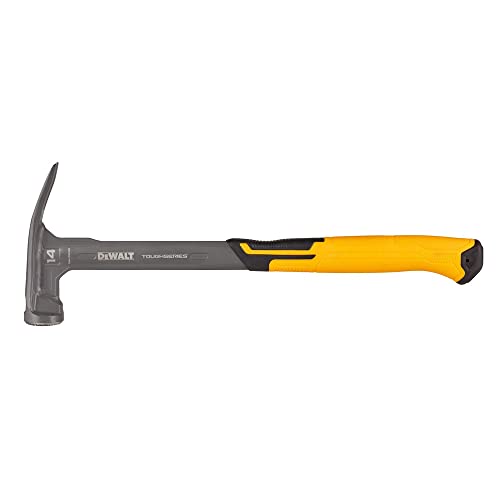
Martinez M1 Framing Hammer 14 oz
The Martinez M1 is a premium titanium hammer with an adjustable head angle and interchangeable faces. It comes with two faces: a milled face for framing and a smooth face for finish work. The handle is a composite with a rubber grip. Users praise its perfect balance and reduced recoil. It is a top choice for serious carpenters who demand precision.
Pros
- Adjustable head angle for custom swing
- Interchangeable faces for different tasks
- Excellent balance and low vibration
Cons
- High price point
- Face replacement requires tool
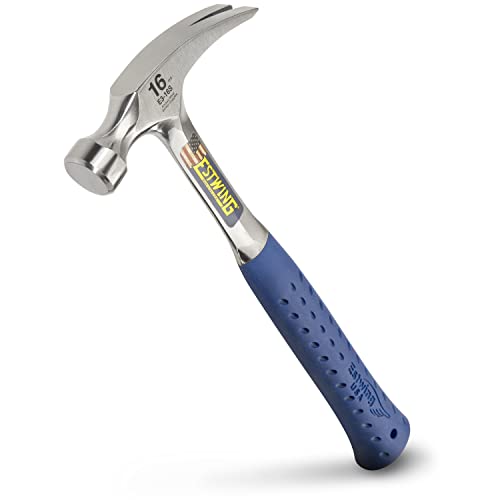
Estwing E16A 16 oz Rip Claw Hammer
The Estwing E16A is a 16-ounce curved claw hammer with a polished steel head and a leather grip. It is lighter than framing hammers, making it suitable for finish nailing and trim work. The curved claw is effective for pulling nails. The leather grip provides a secure hold and absorbs sweat. It is a versatile hammer for many trades.
Pros
- Classic design trusted by generations
- Leather grip gets better with age
- Ideal weight for finish work
Cons
- Less shock absorption than rubber grips
- Not enough weight for heavy framing

Stiletto 14 oz Titanium Finish Hammer
The Stiletto 14 oz Titanium Finish Hammer is designed for finish carpentry. It has a smooth face to avoid marring wood and a shorter handle for better control. Its titanium head reduces weight without sacrificing power. It includes a magnetic nail starter and a leather grip. This hammer is a favorite among trim carpenters.
Pros
- Lightweight for extended overhead work
- Smooth face reduces dents
- Magnetic starter for one-handed nailing
Cons
- Pricey for a finish hammer
- Not suitable for heavy demolition

Vaughan 19 oz California Framing Hammer
The Vaughan 19 oz California Framing Hammer features a solid steel head and a fiberglass handle with a rubber grip. It has a milled face and a straight claw. This hammer is known for its durability and affordable price. It provides good swing weight and handles well for framing tasks. It is a solid choice for those not ready to invest in premium hammers.
Pros
- Affordable price point
- Durable fiberglass handle
- Comfortable grip
Cons
- Heavier than titanium options
- Less vibration dampening than Estwing
How they compare
| # | Model | Head Weight | Best for | Score | Price |
|---|---|---|---|---|---|
| 1 | Estwing E3-20C 20 oz Framing Hammer | 20 oz | All-around framing and demolition | 9.4 | Check price |
| 2 | Stiletto TB15MC 15 oz Titanium Framing Hammer | 15 oz (titanium) | Reducing fatigue during long framing days | 9.1 | Check price |
| 3 | Dalluge 4210 21 oz Framing Hammer | 21 oz | Professionals who prefer a wood handle | 8.7 | Check price |
| 4 | Martinez M1 Framing Hammer 14 oz | 14 oz (titanium) | Precision and balance for finish and framing | 9.0 | Check price |
| 5 | Estwing E16A 16 oz Rip Claw Hammer | 16 oz | Finish work and general carpentry | 8.8 | Check price |
| 6 | Stiletto 14 oz Titanium Finish Hammer | 14 oz (titanium) | Finish carpenters and trim work | 8.9 | Check price |
| 7 | Vaughan 19 oz California Framing Hammer | 19 oz | Budget-conscious pros who need a reliable steel hammer | 8.2 | Check price |
How to pick the right one
Questions worth asking
What is the best weight for a professional hammer?
For framing and general construction, a 20 to 22 ounce hammer is a good balance of power and control. For finish work, a 14 to 16 ounce hammer is easier to handle. Some pros prefer a lighter titanium hammer that mimics the swing of a heavier steel hammer.
Are titanium hammers worth the extra cost?
Titanium hammers are significantly lighter, which reduces arm fatigue during long hours of work. They also absorb vibration well. However, they are much more expensive than steel or fiberglass hammers. If you use a hammer daily, the investment may pay off in reduced strain.
What is the difference between a framing hammer and a finish hammer?
Framing hammers have a heavier head (20 oz or more) and often a straight claw for prying. Finish hammers are lighter, have a smooth face to avoid marring wood, and a curved claw for pulling nails. Framing hammers are for rough construction, while finish hammers are for trim and cabinetry.
How do I maintain a wooden hammer handle?
Keep wooden handles dry and occasionally treat them with linseed oil to prevent drying and cracking. Inspect the handle for damage before each use. If the head becomes loose, you can tighten the wedge or replace the handle.
Can I use a framing hammer for finish work?
You can, but it is not ideal. The heavier weight and milled face can damage trim or leave marks. A finish hammer provides better control and reduces the chance of denting the wood.
What is a magnetic nail starter?
A magnetic nail starter is a small magnet embedded in the face of the hammer that holds a nail in place. This allows you to start a nail with one hand, freeing the other to hold the work piece. It speeds up work and improves accuracy.
How often should I replace a hammer?
A good quality hammer can last many years. Replace it if the head cracks, chips, or becomes loose, or if the handle shows signs of damage. Steel hammers may outlast wood or composite handles, but the grip may wear out and can be replaced.
What is the safest way to swing a hammer?
Always wear safety glasses. Grip the handle near the end for maximum swing power, but keep control. Use your whole arm, not just your wrist. Avoid striking hard surfaces with the side of the hammer. Keep your striking area clear.
Our pick
For most professional work, the Estwing E3-20C is the best all-around choice due to its durability and shock reduction. If you want to minimize fatigue and are willing to invest, the Stiletto TB15MC offers superior lightweight performance. For finish carpenters, the Stiletto 14 oz Titanium Finish Hammer is ideal. For a budget option, the Vaughan 19 oz offers reliability without the high cost. Choose the Estwing unless you have a specific need for lighter weight or finish precision.


