Serious Paddlers Need These Kayak Specs, Not Just Length
Wilderness Systems Tarpon 120 leads this comparison for paddlers who fish and tour in one boat. Perception Pescador Pro 12.0 delivers similar fishing capability at a lower cost. Old Town Predator MX suits anglers who want an elevated, rotating seat for sight fishing.
Wilderness Systems Tarpon 120 ranks first for paddlers who split time between fishing and touring, thanks to its wide beam and rear tankwell storage. Its 350 pound capacity trails dedicated fishing hulls like the Predator MX, so anglers carrying heavier gear may need a bigger boat.
Sit-on-top, sit-inside, and inflatable hulls each handle differently on the water, which makes picking one kayak confusing. We compared published length, weight capacity, hull material, and seat design, then checked owner feedback on stability and tracking for real paddling conditions.
The best picks, ranked

Wilderness Systems Tarpon 120 Sit-On-Top Fishing Kayak
This sit-on-top hull runs 12 feet 3 inches long with a 31 inch beam, molded from rotomolded polyethylene. The Phase 3 AirPro seat shifts between two height positions with a mesh backband for airflow. A rear tankwell and bow hatch cover day trips and light fishing loads.
Pros
- Wide 31 inch beam adds stability for casting and standing
- Phase 3 AirPro seat adjusts for comfort on long paddles
- Bow hatch and tankwell cover storage for gear and coolers
Cons
- 350 pound capacity trails dedicated fishing kayaks like the Predator MX
- 63 pound hull weight makes solo loading onto a roof rack harder
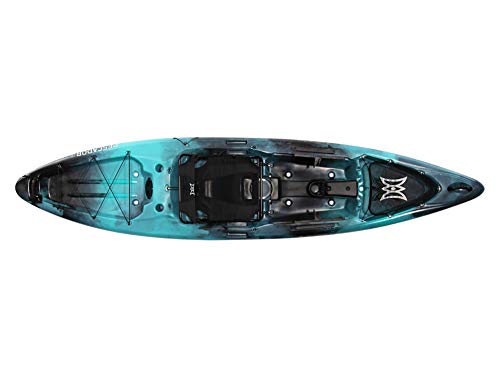
Perception Pescador Pro 12.0 Sit-On-Top Kayak
A rotomolded polyethylene hull spans 12 feet with a 32.5 inch beam and 375 pound capacity. Adjustable straps hold a lawn chair style seat above self-bailing scupper holes. A rear tankwell with bungee cord and a front hatch handle rods, tackle, and a small cooler.
Pros
- 375 pound capacity beats the pricier Tarpon 120
- Self-bailing scupper holes clear water without a pump
- Bungee tankwell secures crates and rod holders
Cons
- Seat lacks the adjustable height found on Wilderness Systems models
- No rudder or skeg option limits tracking in wind

Old Town Predator MX Angler Fishing Kayak
A 12 foot, 34 inch wide hull carries 400 pounds in rotomolded polyethylene. The Element Seating System shifts between a low travel position, a raised Attack position for sight casting, and a stand-up mode. Molded-in gear tracks and a center hatch organize electronics and tackle.
Pros
- Element seat raises for sight fishing without add-on parts
- 400 pound capacity handles electronics and a trolling motor battery
- Removable seat doubles as a beach chair
Cons
- 82 pound hull weight is the heaviest sit-on-top option here
- 34 inch beam paddles slower than narrower touring hulls

Wilderness Systems Tsunami 145 Sit-Inside Touring Kayak
This sit-inside touring hull stretches 14 feet 6 inches with a narrower 25.5 inch beam for faster hull speed. Bulkheads fore and aft seal dry storage behind oval hatches. Hard chines hold a line without a rudder for most paddlers, though the boat ships rudder-ready.
Pros
- 25.5 inch beam and long waterline move faster than sit-on-top hulls
- Sealed bulkhead storage keeps gear dry on multi-day trips
- Adjustable footpegs and thigh braces fit a range of paddler heights
Cons
- 350 pound capacity leaves less margin than wider fishing kayaks
- Rudder is sold separately, not included standard

Advanced Elements AirVolution Inflatable Kayak
This inflatable sit-inside kayak measures 13 feet long with a 300 pound capacity and weighs 39 pounds packed. An aluminum rib frame built into the bow keeps the front end rigid while PVC tarpaulin covers a drop-stitch floor elsewhere. A removable fin under the stern aids straight-line tracking.
Pros
- Aluminum bow frame tracks straighter than typical inflatables
- 39 pound package fits in a duffel for car-free transport
- High-pressure drop-stitch floor adds rigidity underfoot
Cons
- 300 pound capacity is the lowest of the seven kayaks here
- Setup and pump-up time adds minutes before every launch

Sea Eagle 385ft FastTrack Inflatable Kayak
This V-bottom inflatable spans 12 feet 8 inches by 36 inches wide, rated for two paddlers or 635 pounds total. Three air chambers and a 4 inch drop-stitch floor run at up to 10 psi for a rigid platform. Reinforced 1000 denier PVC and taped seams carry a Class III whitewater rating.
Pros
- 635 pound capacity outpaces every other kayak in this lineup
- Class III whitewater rating adds versatility beyond flatwater
- Multiple air chambers keep the boat afloat if one is punctured
Cons
- 36 inch width paddles slower than the narrower Tsunami 145
- 31 pound hull still needs full inflation before each trip

Jackson Kayak Coosa X Fishing Kayak
A rotomolded polyethylene hull measures 11 feet 8 inches with a 36 inch beam and 425 pound capacity. Added bow volume sheds waves and river debris that would swamp a flatwater fishing kayak. Standing platforms and molded footwells suit sight fishing from moving current.
Pros
- Raised bow volume sheds waves in rapids and river current
- 425 pound capacity matches dedicated flatwater fishing kayaks
- Molded footwells support standing casts in current
Cons
- 11 feet 8 inches is the shortest hull here, so flatwater tracking suffers
- 36 inch beam adds drag on long lake paddles
How to choose
What Makes a Kayak ‘Professional Grade’? Serious paddlers weigh hull material, weight capacity, and seat design before length or color. Rotomolded polyethylene resists impact on rocks and shallow launches, while PVC and drop-stitch inflatables trade some rigidity for packability. Weight capacity should cover paddler plus gear, not just body weight, since a loaded fishing kayak often carries tackle, electronics, or a cooler. Seat height and adjustability affect comfort on trips longer than two hours more than any top-line speed spec.
Sit-On-Top vs Sit-Inside: Which Hull Fits Your Paddling? Sit-on-top kayaks like the Tarpon 120 and Pescador Pro 12.0 drain through scupper holes and let anglers stand or reposition easily. Sit-inside hulls like the Tsunami 145 seal gear in bulkheads and cut wind resistance with a lower profile, favoring distance over stability. Anglers who fish standing generally prefer sit-on-top width, while paddlers covering long distances favor the narrower, faster sit-inside hull. Cold water paddlers also lean sit-inside, since a spray skirt keeps water off the lower body.
Are Inflatable Kayaks Good Enough for Serious Paddling? High-pressure drop-stitch construction, used in both the AirVolution and the Sea Eagle 385ft, lets inflatable hulls hold a rigid shape under load. The AirVolution adds an aluminum rib frame in the bow specifically to fix the tracking problems common in softer inflatables. Sea Eagle rates its 385ft FastTrack for Class III whitewater, a claim that would have sounded unlikely for inflatables a decade ago. Packability remains the trade-off, since both kayaks need pumping before launch and store loose gear differently than a rigid hull.
Choosing a Kayak for Whitewater or Moving Water Moving water calls for a shorter hull with raised bow volume, like the Coosa X at 11 feet 8 inches, so waves and debris shed rather than swamp the deck. Rotomolded polyethylene handles rock strikes better than lighter hull materials, which can crack on shallow rapids. Wider beams past 34 inches add secondary stability for bracing in current, at the cost of flatwater speed. Paddlers who mix river fishing with lake trips should compare bow volume and beam width before hull length alone.
Compared at a glance
| # | Model | Length | Best for | Score | Price |
|---|---|---|---|---|---|
| 1 | Wilderness Systems Tarpon 120 Sit-On-Top Fishing Kayak | 12 ft 3 in | Best overall | 9.4 | Check price |
| 2 | Perception Pescador Pro 12.0 Sit-On-Top Kayak | 12 ft | Best value | 9.1 | Check price |
| 3 | Old Town Predator MX Angler Fishing Kayak | 12 ft | Best for fishing | 8.9 | Check price |
| 4 | Wilderness Systems Tsunami 145 Sit-Inside Touring Kayak | 14 ft 6 in | Best for touring | 8.6 | Check price |
| 5 | Advanced Elements AirVolution Inflatable Kayak | 13 ft | Best for inflatable performance | 8.4 | Check price |
| 6 | Sea Eagle 385ft FastTrack Inflatable Kayak | 12 ft 8 in | Best for high weight capacity | 8.2 | Check price |
| 7 | Jackson Kayak Coosa X Fishing Kayak | 11 ft 8 in | Best for whitewater and river fishing | 8.0 | Check price |
Common questions
What is the best kayak for experienced paddlers?
It depends on use. The Wilderness Systems Tarpon 120 suits paddlers who fish and tour in one boat, while the Tsunami 145 favors distance and the Coosa X favors river fishing.
Sit-on-top vs sit-inside kayak, which is better for touring?
Sit-inside hulls like the Tsunami 145 cut wind resistance and seal gear in bulkheads, giving them an edge on multi-day distance trips over sit-on-top designs.
Are inflatable kayaks good enough for whitewater?
Some are. The Sea Eagle 385ft FastTrack carries a Class III whitewater rating thanks to reinforced 1000 denier PVC and a rigid drop-stitch floor.
How much weight capacity does a fishing kayak need?
Add paddler weight to gear, tackle, and any electronics before choosing. A 400 pound capacity like the Predator MX covers most solo anglers with a trolling motor battery.
What hull material is best for a performance kayak?
Rotomolded polyethylene resists rock strikes and costs less, while PVC and drop-stitch construction let inflatables pack down without sacrificing much rigidity.
Is a rudder worth it on a touring kayak?
The Tsunami 145 ships rudder-ready but paddles straight without one for most people, thanks to hard chines. Add a rudder mainly for windy, open water crossings.
Can you use a fishing kayak on whitewater rivers?
Flatwater fishing kayaks like the Pescador Pro 12.0 lack the bow volume to shed waves. The Coosa X adds that volume specifically for river and whitewater use.
Is the Sea Eagle 385ft FastTrack worth it for serious paddling?
Its 635 pound capacity and Class III rating outperform most inflatables, though its 36 inch beam paddles slower than narrower hard-shell touring kayaks.
Which kayak is best for solo anglers who need standing room?
Old Town Predator MX’s Element Seating System raises into an Attack position built for standing and sight casting.
Do performance kayaks come with a rudder included?
Most sit-inside touring hulls, including the Tsunami 145, ship rudder-ready but sell the rudder itself as a separate accessory.
The verdict
Wilderness Systems Tarpon 120 earns the top spot for paddlers who split time between fishing and general touring, since its beam and tankwell storage cover both without switching boats. Anglers who fish exclusively should look at the Old Town Predator MX for its elevated Attack seat position. Long-distance and open-water paddlers get more value from the Wilderness Systems Tsunami 145, given its narrower hull and sealed storage.


