Pro Paint Brushes That Make Every Stroke Count
The Purdy Nylox Slide Angle Brush is our top pick for professionals because it delivers a flawless, streak-free finish on trim and cabinets, thanks to its fine nylon filaments that hold their shape. Its main limitation is that it is best for water-based paints; for oil-based, you might prefer a natural bristle brush.
A professional paint brush isn’t just a tool; it’s an extension of your hand. It determines whether you get crisp lines, smooth coverage, and minimal brush marks, or a frustrating, sloppy result. The right brush saves time, paint, and your sanity.
This roundup focuses on brushes that professionals and serious DIYers trust for precision work, from cutting in ceilings to painting fine furniture. We compared performance, ergonomics, and longevity to help you choose.
What we recommend

Purdy Nylox Slide Angle Brush
The Purdy Nylox Slide is engineered with fine-tapered nylon filaments that lay down paint evenly, minimizing brush marks. The angled sash handle offers excellent control for cutting in and detailing. Users report that it holds its shape well and cleans up easily.
Pros
- Excellent paint release for a smooth finish
- Durable filaments resist fraying
- Comfortable handle reduces hand fatigue
Cons
- Not for oil-based paints
- Higher price point
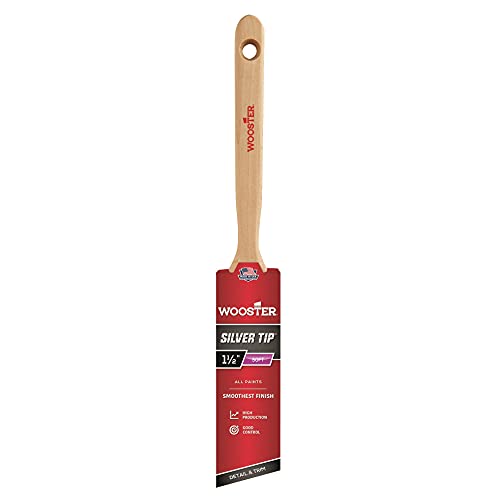
Wooster Silver Tip Angle Brush
The Wooster Silver Tip features a blend of natural China bristle and synthetic filaments, making it versatile for both oil and water-based paints. Its flagged tips create a smooth, even finish, and the wooden handle provides a comfortable grip. Professionals often choose it for fine finishing work.
Pros
- Versatile for multiple paint types
- Holds a lot of paint
- Precision tip for clean edges
Cons
- Requires thorough cleaning for oil paints
- Filaments may soften in water-based paints

Purdy XL Cub Angular Brush
The Purdy XL Cub is a workhorse brush known for its durable nylon/polyester blend that works well with all paint types. It features a comfortable rubberized handle and a chiseled tip for precision. Many painters consider it a reliable, affordable option for daily use.
Pros
- Works with all paint types
- Comfortable grip
- Good balance of stiffness and flexibility
Cons
- Not as refined as the Nylox for ultra-smooth finishes
- Some users report bristle shedding initially

Zibra Precision PaintBrush
The Zibra Precision PaintBrush features a unique patent-pending design with a chiseled tip and thin profile, allowing for precise cutting in without taping. Its flexible filaments conform to surfaces, and the handle is designed for comfort. Painters love it for tight corners and detailed edges.
Pros
- Exceptional precision for clean lines
- Flexible filaments reduce drag
- Comfortable for extended use
Cons
- Not ideal for large surfaces
- Limited size options
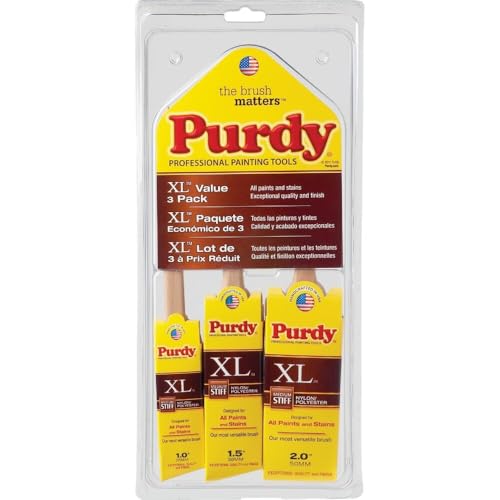
Purdy PowerKoter Paint Brush
The Purdy PowerKoter is a large wall brush designed to cover more area quickly. Its thick, chiseled filaments hold a lot of paint, and the beavertail handle reduces hand fatigue during big jobs. It performs well with all paints and is a favorite among professional painters for walls and ceilings.
Pros
- Covers large areas quickly
- Holds substantial paint
- Comfortable handle for long sessions
Cons
- Too large for trim or detail work
- Heavier than smaller brushes

Wooster Brush Pro Series Chinex Brush
The Wooster Chinex brush features Chinex synthetic filaments that are resistant to paint chemicals and do not soften in water, making cleanup a breeze. It holds its shape well and works with all paint types. The wooden handle provides a classic feel.
Pros
- Filaments resist softening and wear
- Easy to clean
- Maintains shape over time
Cons
- Stiffer than natural bristle for oil paints
- Handle may be slippery with wet hands

Purdy Sprig Paint Brush
The Purdy Sprig is a small, precision brush ideal for touch-ups, stenciling, and fine detail work. Its fine nylon filaments provide excellent control, and the short handle fits comfortably in the hand. It is a favorite among artists and finishers.
Pros
- Excellent control for fine lines
- Perfect for small projects
- Lightweight and easy to maneuver
Cons
- Not for large surfaces
- Limited to water-based paints
How they stack up
| # | Model | Filament | Best for | Score | Price |
|---|---|---|---|---|---|
| 1 | Purdy Nylox Slide Angle Brush | Nylon | Best Overall for Smooth Finishes on Trim and Cabinets | 9.4 | Check price |
| 2 | Wooster Silver Tip Angle Brush | China bristle blend | Best for Oil-Based Paints and Varnishes | 9.2 | Check price |
| 3 | Purdy XL Cub Angular Brush | Nylon/polyester blend | Best Value for Everyday Professional Use | 8.9 | Check price |
| 4 | Zibra Precision PaintBrush | Synthetic (polyester) | Best for Cutting In and Detail Work | 8.7 | Check price |
| 5 | Purdy PowerKoter Paint Brush | Nylon/polyester blend | Best for Large Flat Surfaces | 8.5 | Check price |
| 6 | Wooster Brush Pro Series Chinex Brush | Chinex (polyester blend) | Best for Durability and Easy Cleanup | 8.3 | Check price |
| 7 | Purdy Sprig Paint Brush | Nylon | Best for Fine Detailing and Touch-Ups | 8.0 | Check price |
What matters most
Frequently asked questions
What is the difference between natural and synthetic bristles?
Natural bristles are made from animal hair and are best for oil-based paints because they hold the paint well. Synthetic bristles are made from nylon or polyester and are designed for water-based paints. They do not absorb water, so they maintain their stiffness. Some brushes combine both to work with all paint types.
How do I know which brush size to use?
Choose a brush size based on the project scope. For large areas like walls, use a 3 to 4 inch brush. For trim and cutting in, a 2 to 2.5 inch brush is ideal. For fine details and touch-ups, a 1 to 1.5 inch brush works best. Using the right size improves efficiency and control.
Can I use a professional brush with any type of paint?
Most professional brushes are labeled for specific paint types. Synthetic brushes work with water-based paints, while natural bristle brushes are for oil-based. Some synthetic blends are versatile and can handle both. Always check the manufacturer’s recommendation to ensure compatibility and best results.
How should I clean my paint brushes?
For water-based paints, rinse with warm soapy water until clean. For oil-based paints, use a solvent like mineral spirits first, then wash with soap and water. Reshape the bristles and let the brush dry flat or hanging. Proper cleaning prevents paint buildup and extends the brush’s life.
Why do some brushes shed bristles?
Bristle shedding can occur if the brush is not manufactured well or if it is used with incompatible paint. High-quality brushes undergo a process to secure bristles, but some shedding is normal initially. To minimize shedding, work the brush in the paint and remove any loose bristles before starting. Regular cleaning helps maintain the brush.
What does ‘flagged’ bristle mean?
Flagged bristles have split ends that help hold more paint and release it evenly, creating a smoother finish with fewer brush marks. This feature is common in high-quality brushes and is especially important for achieving a professional look on trim and cabinetry.
Can I use a brush for both latex and oil-based paints?
Yes, but you need to choose a brush that is compatible with both. Some synthetic blend brushes are designed to work with all paint types. However, using a brush with oil-based paint requires thorough cleaning with solvent, and the brush may not perform optimally for both if not cleaned properly.
How long should a professional brush last?
With proper care, a professional paint brush can last for many years, even for frequent use. Cleaning after each use and storing it correctly prevents damage. Brushes that are not cleaned or are used with harsh chemicals may wear out faster. Investing in a quality brush and maintaining it ensures longevity.
The verdict
For most professionals, the Purdy Nylox Slide is the brush to buy because it delivers a flawless finish on trim and cabinets, which is where brush quality matters most. Its nylon filaments minimize brush marks and hold their shape, and the comfortable handle reduces fatigue. If you work primarily with oil-based paints, the Wooster Silver Tip is a better choice due to its natural bristle blend. For an affordable everyday workhorse that handles all paint types, the Purdy XL Cub is a reliable option. Choose based on your primary paint type and surface: Nylox for water-based trim work, Silver Tip for oil-based finishes, and XL Cub for general use.


