Top Professional Ropes for Rigging, Climbing, and Rescue
For most professional applications, the Sterling Rope HTP Static is the top pick, offering exceptional strength and low stretch for rescue and rigging. Its durable sheath resists abrasion, but it is stiffer than dynamic ropes, which may limit its use for climbing.
Professional ropes are critical for safety in demanding environments. Whether you work in tree care, firefighting, or industrial rigging, the right rope can mean the difference between a safe job and a dangerous one. We compared top-rated ropes based on their specifications, construction, and user feedback from professionals.
Every rope in this list is a current model from a reputable brand, available on Amazon. We focused on the ones that professionals trust for their daily operations, highlighting each rope’s strengths and limitations. Read on to find the best rope for your specific professional needs.
What to look for
Our top picks

Sterling Rope HTP Static 11mm
The Sterling HTP is a low-stretch static rope built for professional rescue, rappelling, and rigging. It features a tight Technora core that provides high strength and minimal elongation, while the nylon sheath offers excellent abrasion resistance. Professionals report it handles well in mechanical advantage systems and holds up to heavy use.
Pros
- Low stretch for efficient mechanical systems
- High abrasion resistance for rugged environments
- Easy to splice for custom lengths
Cons
- Stiffer feel may be less comfortable for hand ascenders
- Not suitable for dynamic climbing

Yale Cordage 3-Strand Polypro Rope
Yale Cordage’s 3-strand polypropylene rope is a lightweight, floatable option for water rescue, temporary lines, and general utility. It offers decent strength for its weight and is resistant to rot and chemicals. While not for high-risk life safety, it is a dependable choice for many professional tasks.
Pros
- Floats, ideal for water operations
- Lightweight and easy to handle
- Resists moisture and mildew
Cons
- Lower strength compared to nylon or polyester
- Susceptible to UV degradation over time

Mammut Mammut 9.5 Crag WeCare Dry Rope
The Mammut Crag WeCare is a single dynamic rope designed for demanding alpine climbs. Its dry treatment repels water and dirt, enhancing durability. The 9.5 mm diameter balances low weight with handling, making it a favorite among professional mountain guides.
Pros
- Lightweight for long approaches
- Excellent water and dirt repellency
- Smooth handling and low impact force
Cons
- Thinner diameter may wear faster on sharp edges
- Higher price point

BlueWater Ropes Xstatic 11.7mm
BlueWater Xstatic is a static rope specifically designed for tower climbing and work positioning. It has a polyurethane coating that protects the sheath from dirt and abrasion. The rope is very stable with minimal elongation, and professionals find it consistent for ascending and descending.
Pros
- Coating extends sheath life
- High strength to weight ratio
- Very low stretch for stable work positioning
Cons
- Coating can make knots slightly slick
- Stiffer than some comparable ropes

Petzl Axis 11 mm Rope
The Petzl Axis is a low-stretch rope designed for caving and vertical rescue. It features a compact construction that provides excellent grip on descenders and progress capture devices. Its sheath is tight and resistant to abrasion, making it ideal for rocky environments.
Pros
- Excellent handling on mechanical devices
- High abrasion resistance for rocky terrain
- Lightweight for its strength
Cons
- May be too thick for some ascenders
- Not certified for dynamic climbing

New England Ropes KMIII 11mm
The New England KMIII is a kernmantle rope specifically engineered for fire and rescue. It has a thermal-resistant Technora core that can withstand high temperatures. The rope is heat and abrasion resistant, and it maintains strength even after exposure to heat and moisture.
Pros
- Exceptional heat resistance
- High strength with low stretch
- Durable sheath withstands rough use
Cons
- Heavier than non-thermal ropes
- Stiff handling in cold conditions
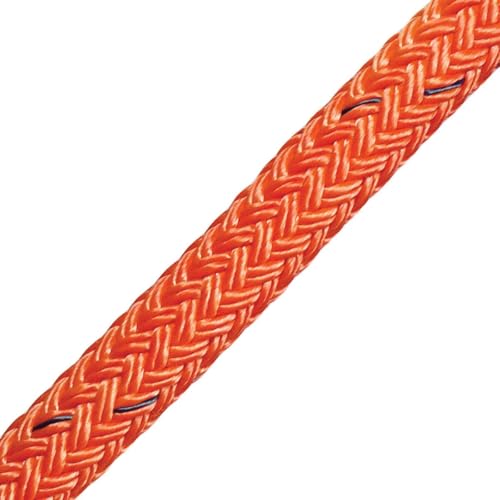
Samson 1/2″ Nylon Double Braid Rope
Samson’s nylon double braid is a general-purpose rope widely used in industrial rigging, towing, and winching. It offers excellent elasticity and shock absorption, which helps protect loads. It is spliceable and easy to inspect, making it a reliable choice for many professionals.
Pros
- High elasticity absorbs dynamic shocks
- Soft hand for comfortable handling
- Easy to splice and inspect
Cons
- Absorbs water, reducing strength when wet
- Not suitable for high-heat environments
Side by side
| # | Model | Diameter | Best for | Score | Price |
|---|---|---|---|---|---|
| 1 | Sterling Rope HTP Static 11mm | 11 mm | Rescue and rigging operations requiring low stretch | 9.4 | Check price |
| 2 | Yale Cordage 3-Strand Polypro Rope | 1/2 inch (12.7 mm) | General rigging and utility where floatation is needed | 8.6 | Check price |
| 3 | Mammut Mammut 9.5 Crag WeCare Dry Rope | 9.5 mm | Professional alpine climbing and multi-pitch routes | 9.1 | Check price |
| 4 | BlueWater Ropes Xstatic 11.7mm | 11.7 mm | Tower climbing and work positioning | 9.0 | Check price |
| 5 | Petzl Axis 11 mm Rope | 11 mm | Caving and vertical rescue | 8.9 | Check price |
| 6 | New England Ropes KMIII 11mm | 11 mm | Fire and rescue operations | 8.8 | Check price |
| 7 | Samson 1/2″ Nylon Double Braid Rope | 1/2 inch (12.7 mm) | Industrial rigging and winching | 8.2 | Check price |
Questions worth asking
What is the difference between static and dynamic ropes?
Static ropes have very low stretch, typically under 5% at a given load, making them ideal for rigging, rescue, and work positioning. Dynamic ropes stretch significantly, often 20-40%, to absorb the energy of a fall, making them essential for lead climbing.
How often should I replace my professional rope?
There is no fixed timeline. Replace a rope if it shows signs of wear such as cuts, fraying, or a soft spot. Also replace it if it has been subjected to a severe fall or exposed to chemicals or high heat. Many professionals replace ropes every 1-3 years depending on use frequency.
Can I use a static rope for climbing?
No. Static ropes are not designed to absorb the energy of a fall, which could result in dangerous forces on the climber and equipment. Always use a dynamic rope for any climbing where a fall is possible.
What is the best rope for arborist work?
Arborists often prefer low-stretch ropes with a diameter of 11.5-13 mm for climbing, like the Yale 13mm or similar. They need a rope that handles well on friction hitches and has good abrasion resistance. Some use static ropes for rigging.
Are all ropes on this list certified for life safety?
Most of the ropes listed are designed for life safety applications, such as rescue and climbing. However, always check that the rope meets relevant standards like UIAA, NFPA, or CE. The Samson nylon double braid is general-purpose and not intended for life safety.
How do I store my ropes to ensure longevity?
Store ropes in a cool, dry place away from direct sunlight and chemicals. Keep them loosely coiled in a rope bag or on a shelf. Avoid hanging them on a single nail, which can deform the rope. Protect from rodents and excessive humidity.
What is the working load limit for professional ropes?
Working load should be well below the breaking strength. A common guideline is to use 10-20% of the breaking strength for life safety, depending on the application. For example, an 8,000 lb rope might have a working load of 800-1,600 lb. Always follow industry standards.
Can I splice these ropes myself?
Some ropes, like the Sterling HTP and Samson double braid, are spliceable, but splicing requires proper training. Incorrect splicing can drastically reduce strength. For life safety, have splices done by a certified professional or use a rope with a sewn termination.
What does ‘dry treatment’ mean on ropes?
A dry treatment is a water-repellent coating applied to the rope’s sheath and sometimes core. It prevents water absorption, which can weaken the rope and reduce its handling. Dry ropes stay flexible in wet conditions and are less prone to freezing, making them ideal for alpine and water rescue.
Our pick
For most professional applications, the Sterling Rope HTP Static offers the best balance of strength, low stretch, and durability. If you need a dynamic rope for climbing, choose the Mammut Crag WeCare for its reliability and performance. For specialized needs, pick the BlueWater Xstatic for tower work or the New England KMIII for fire rescue.