Pro Sewing Notions That Earn Their Place in Your Kit
For professional sewists, the Gingher 8-Inch Knife Edge Dressmaker’s Shears are the top pick. They deliver clean, precise cuts through multiple layers and are built to last. Their main advantage is the forged steel construction that holds a sharp edge. The main limitation is their weight; some users find them heavy for prolonged use.
Professional sewing demands tools that can handle repetitive use without compromising accuracy. Cheap notions wear out quickly, leading to frustration and wasted fabric. The right tools make every cut, rip, and measurement smoother.
This roundup focuses on seven products that serious sewists rely on. We compared specifications, owner feedback, and design details to help you choose. Each item has a specific strength, from precision shears to magnetic pin management.
How to choose
The best picks, ranked

Gingher 8-Inch Knife Edge Dressmaker’s Shears
These forged steel shears are a staple in professional sewing rooms. They feature a knife edge that cuts cleanly through heavy fabrics. The bent handle design keeps fabric flat during cutting. Owners report they hold their edge for years with proper care.
Pros
- Stays sharp for a long time
- Cuts through thick layers effortlessly
- Comfortable grip for extended use
Cons
- Heavier than some alternatives
- Requires regular oiling at the pivot

Fiskars 6 Inch Softgrip Micro-Tip Easy Action Snip
Fiskars Micro-Tip snips offer exceptional control for fine work. The soft grip handles reduce hand fatigue. They feature a spring action that opens the blades automatically. Their sharp tips access tight spaces with ease.
Pros
- Extremely sharp for precise cuts
- Easy to use with one hand
- Comfortable grip minimizes strain
Cons
- Not suitable for cutting heavy fabric
- Spring may weaken over time
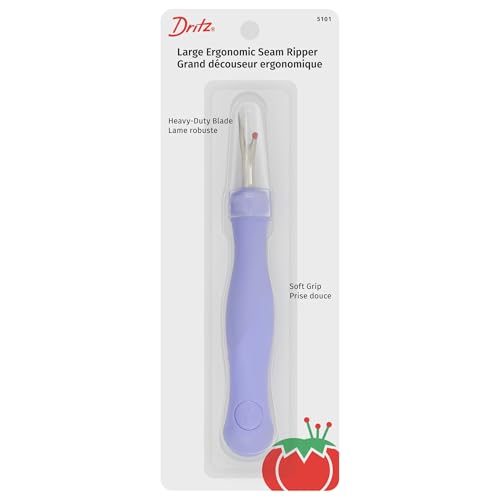
Dritz 6-Inch Seam Ripper with Ergonomic Handle
This seam ripper from Dritz features an ergonomic handle that fits comfortably in your hand. The sharp blade easily slides under stitches. The protective cap keeps the tip safe when not in use. It includes a small brush to clear lint.
Pros
- Comfortable to hold for long periods
- Sharp blade cuts stitches cleanly
- Brush helps keep work area tidy
Cons
- Blade can dull with heavy use
- Cap may come off in a pocket
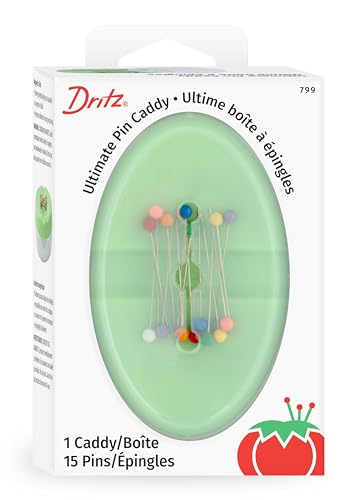
Dritz Magnetic Pin Holder, 3-Inch
This magnetic pin holder is a favorite among sewists. It securely holds pins and needles, preventing spills. The strong magnet keeps pins in place even when turned upside down. The compact size fits easily in a sewing box.
Pros
- Keeps pins tidy and accessible
- Strong magnet prevents accidents
- Durable construction for daily use
Cons
- Not as portable as a wrist pin cushion
- Magnet can interfere with electronics

Clover Chaco Liner Pen Style, White
The Clover Chaco Liner delivers fine, precise lines for pattern marking. It uses powdered chalk that disappears with heat or washing. The pen-style design is easy to control. Refills are available, making it a cost-effective choice.
Pros
- Clean, accurate lines
- Chalk does not damage fabric
- Ergonomic pen shape
Cons
- Chalk can smudge if touched
- Requires refills over time

Prym Ergonomic Seam Gauge with Slider
Prym’s ergonomic seam gauge features a sliding marker for quick measurements. It is ideal for hems, buttonholes, and pleats. The clear markings are easy to read. The gauge locks securely at your desired measurement.
Pros
- Easy to set and lock
- Durable plastic withstands wear
- Compact for storage
Cons
- May scratch delicate fabrics
- Slider can loosen over time

Dritz 10x Magnifying Glass with Light and Stand
This magnifying lamp assists with fine detail work. It provides 10x magnification and an integrated LED light. The stand keeps it stable while you work. It is adjustable for different angles.
Pros
- Bright light improves visibility
- Hands-free operation
- Sturdy base prevents tipping
Cons
- Bulky for small workspaces
- Batteries not included
How they stack up
| # | Model | Blade Length | Best for | Score | Price |
|---|---|---|---|---|---|
| 1 | Gingher 8-Inch Knife Edge Dressmaker’s Shears | 8 inches | precision cutting of multiple layers | 9.4 | Check price |
| 2 | Fiskars 6 Inch Softgrip Micro-Tip Easy Action Snip | 1.5 inches | detailed trimming and snipping threads | 9.0 | Check price |
| 3 | Dritz 6-Inch Seam Ripper with Ergonomic Handle | 6 inches | quick and safe seam removal | 8.8 | Check price |
| 4 | Dritz Magnetic Pin Holder, 3-Inch | 3 inches | keeping pins organized and within reach | 8.7 | Check price |
| 5 | Clover Chaco Liner Pen Style, White | White | accurate marking on fabric | 8.9 | Check price |
| 6 | Prym Ergonomic Seam Gauge with Slider | 6 inches | measuring hems and seam allowances | 8.5 | Check price |
| 7 | Dritz 10x Magnifying Glass with Light and Stand | 10x | detailed work like hand stitching and beading | 8.3 | Check price |
Frequently asked questions
What are the most essential sewing notions for professionals?
Essential notions include quality shears, a seam ripper, marking tools, pins, and a measuring gauge. Each serves a specific purpose in the sewing process.
How often should I sharpen my sewing shears?
With regular use, shears may need sharpening every few months. However, some high-quality shears can last years without sharpening if used properly. Send them to a professional sharpener for best results.
Can I use regular scissors for fabric?
It is not recommended. Regular scissors dull quickly and may not cut cleanly. Use dedicated fabric shears to ensure precision and avoid damaging the fabric.
What is the best way to mark fabric without leaving permanent marks?
Chalk markers, like the Clover Chaco Liner, are popular because they brush away easily. Test on a scrap first to ensure it’s removable from your specific fabric.
How do I maintain my magnetic pin holder?
Keep it clean by wiping it with a dry cloth. Avoid exposing it to high temperatures or moisture. The magnet should stay strong for years.
Are ergonomic handles worth it?
Yes, especially for those who sew for long periods. Ergonomic handles reduce hand fatigue and prevent strain, allowing for more comfortable and controlled work.
What is the difference between a seam gauge and a ruler?
A seam gauge is typically shorter and has a slider for quick measurements of hems and seam allowances. A ruler is longer and used for general measuring and drawing straight lines.
How do I choose the right magnifier for detailed sewing?
Consider the magnification level and lighting. For intricate work, 10x is suitable. Ensure the lens is large enough for your field of view and the light is bright enough.
Our pick
For most professionals, the Gingher 8-Inch Shears are the best investment due to their superior cutting performance and longevity. If you frequently do detailed work, add the Fiskars snips and the Clover Chaco Liner to your kit. These tools together will cover the majority of your sewing needs with precision and comfort.


