Sleeping Bags Built for Serious Backcountry Conditions
Western Mountaineering’s Kodiak MF suits extreme cold, pairing premium 850-fill down with a 0°F rating. Feathered Friends Snowbunting 20 delivers similar performance at a lower pack weight. Serious backpackers on a budget get solid synthetic-friendly performance from the Kelty Cosmic 20.
Western Mountaineering’s Kodiak MF tops this list for winter backcountry trips and high-altitude expeditions. Its 850-fill down handles temperatures down to 0°F, well beyond big-box gear. That expedition-grade construction comes at a steep cost most weekend campers won’t need to pay.
Mass-market bags aren’t built for genuine backcountry punishment. Guides, expedition trekkers, and cold-weather backpackers need fill power, temperature ratings, and shell durability that hold up trip after trip. We compared those specs against manufacturer data and field reports from owners who use these bags in real winter conditions.
What we recommend
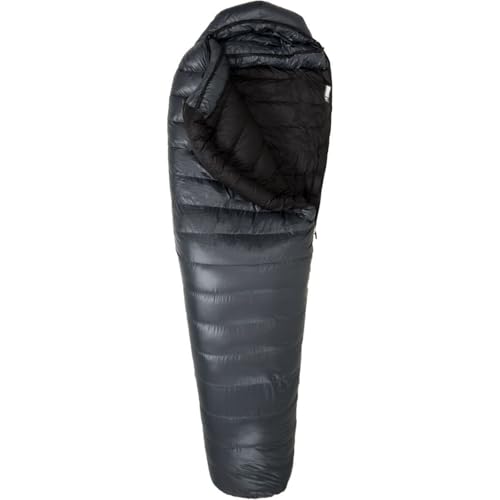
Western Mountaineering Kodiak MF
This mummy bag pairs 850-fill goose down with a 0°F rating for winter backcountry trips and high-altitude expeditions. Continuous baffle construction lets a sleeper shift down toward cold spots as needed. Ripstop nylon shell adds tear resistance without much added weight.
Pros
- Exceptional warmth-to-weight ratio
- Continuous baffles allow down redistribution
- Durable ripstop shell resists tears
Cons
- High price reflects premium down fill
- Mummy cut feels restrictive for side sleepers
Feathered Friends Snowbunting 20
A 20°F rating and 900-fill down keep packed weight low for multi-day trips where every ounce counts. Water-resistant shell fabric adds protection against tent condensation overnight. Loft holds up well across repeated compression and decompression cycles.
Pros
- Very low weight for its warmth rating
- Water-resistant shell handles tent condensation
- High fill power maximizes loft per ounce
Cons
- 20°F rating limits use in true winter conditions
- Premium down fill carries a high cost

Kelty Cosmic 20
550-fill down and a 20°F rating give serious backpackers three-season performance without expedition-level pricing. A draft collar and zipper draft tube cut heat loss at the neck and zipper line. The bag compresses down small enough for typical backpack storage.
Pros
- More affordable than expedition-grade bags
- Draft collar reduces heat loss
- Compresses well for backpack storage
Cons
- Lower fill power adds bulk versus premium bags
- Not rated for true winter expedition cold

Marmot Never Summer
Rated to -40°F, this bag targets winter mountaineering and polar-adjacent expeditions rather than general backpacking. A cinch-closure hood and full-length draft tube seal in warmth during extreme cold. DWR-treated ripstop shell resists moisture in snow camps.
Pros
- Rated for genuinely extreme cold
- Cinch hood seals in heat effectively
- DWR shell resists moisture in snow camps
Cons
- Heavy compared to three-season bags
- Overkill warmth for typical backpacking trips
REI Co-op Magma 15
850-fill down paired with a 15°F rating keeps this bag light for backpackers covering long mileage. A women’s-specific version shifts insulation placement for better warmth distribution. Recycled ripstop shell fabric cuts environmental impact without adding weight.
Pros
- Very light for its temperature rating
- Recycled shell material reduces environmental impact
- Available in gender-specific fits
Cons
- Half-zip design limits venting on warm nights
- Down fill needs careful drying if it gets wet

Big Agnes Torchlight UL 20
A wider cut than typical mummy bags gives side sleepers room to shift positions overnight. DownTek water-resistant down handles damp trips better than untreated fill. An integrated pad sleeve keeps the sleeper centered on a sleeping pad through the night.
Pros
- Roomier cut suits side and combination sleepers
- Water-resistant down treatment handles damp conditions
- Integrated pad sleeve keeps sleeper centered
Cons
- Slightly heavier than a true mummy cut
- Roomier shape reduces warmth efficiency versus snug bags

Nemo Disco 15
A spoon-shaped design widens at the knees and elbows for more room to move than a strict mummy taper. Integrated thermo gills vent excess heat on milder nights. 600-fill down keeps cost down relative to premium fill-power competitors.
Pros
- Spoon cut allows more knee and elbow room
- Thermo gill vents regulate temperature
- Comfortable for restless sleepers
Cons
- Heavier than similarly rated mummy bags
- Lower fill power than premium competitors
How to pick the right one
What separates a professional-grade sleeping bag Fill power above 800 and precise temperature ratings tested to EN or ISO standards separate expedition bags from big-box models. Shell fabric matters too at this level. Ripstop or DWR-treated nylon resists tears and moisture better than basic polyester.
Matching temperature rating to conditions A 20°F bag covers most three-season backpacking. True winter mountaineering calls for a 0°F rating or lower. Always plan for conditions colder than the expected low, since a bag’s comfort rating leaves less margin than its stated limit rating.
Down vs synthetic fill for expeditions High fill-power down offers the best warmth-to-weight ratio for dry cold, favored by guides carrying gear over long distances. Synthetic or water-resistant down holds warmth better when wet. Trips with heavy condensation or rain exposure favor that wet-weather protection.
Fit and shape for different sleep styles A tight mummy cut maximizes warmth efficiency for back sleepers on extreme cold trips. Spoon-shaped or roomier cuts suit side sleepers and those who shift positions overnight. That extra room trades away some warmth efficiency for comfort.
Compared at a glance
| # | Model | Temperature rating | Best for | Score | Price |
|---|---|---|---|---|---|
| 1 | Western Mountaineering Kodiak MF | 0°F | Best overall | 9.5 | Check price |
| 2 | Feathered Friends Snowbunting 20 | 20°F | Best for lightweight cold-weather trips | 9.3 | Check price |
| 3 | Kelty Cosmic 20 | 20°F | Best value | 8.8 | Check price |
| 4 | Marmot Never Summer | -40°F | Best for extreme cold expeditions | 9.4 | Check price |
| 5 | REI Co-op Magma 15 | 15°F | Best for backpacking weight savings | 9.0 | Check price |
| 6 | Big Agnes Torchlight UL 20 | 20°F | Best for side sleepers | 8.9 | Check price |
| 7 | Nemo Disco 15 | 15°F | Best for freedom of movement | 8.7 | Check price |
Common questions
What temperature rating do I need for winter camping?
True winter conditions call for a rating of 0°F or lower. Three-season backpacking usually only needs 15°F to 20°F unless you run cold at night.
What is fill power in a sleeping bag?
Fill power measures how much loft an ounce of down produces. Higher numbers like 850 or 900 mean better warmth per ounce than lower fill powers like 550 or 600.
Is down or synthetic fill better for expeditions?
Down offers a superior warmth-to-weight ratio for dry cold. Synthetic or water-resistant down performs better in wet or humid conditions, where regular down would otherwise lose loft.
How much does a professional sleeping bag weigh?
Expedition and cold-weather bags typically weigh between 2 and 4.5 pounds packed. Lighter three-season bags favor high fill-power down to cut that weight further.
What is the difference between comfort rating and limit rating?
Comfort rating estimates the temperature at which an average sleeper stays warm. Limit rating marks the lowest temperature a bag can handle before the user feels cold, with less safety margin.
Do mummy bags sleep warmer than rectangular bags?
Yes. The tapered mummy shape reduces the air space a body needs to heat, making it more efficient than a rectangular bag at the same temperature rating.
Can a sleeping bag rated for 0°F be used in summer?
It can, but venting becomes difficult. A bag built for extreme cold traps more heat than needed in mild conditions, which gets uncomfortable on warm nights.
How do I keep a down sleeping bag dry on a trip?
Store it in a waterproof stuff sack or dry bag, and avoid packing it against wet gear. A model with a DWR-treated or water-resistant shell adds further protection against condensation.
Western Mountaineering vs Marmot Never Summer: which handles colder conditions?
The Marmot Never Summer’s -40°F rating goes well below the Kodiak MF’s 0°F rating, making it the choice for polar-adjacent expeditions. The Kodiak MF stays lighter and suits most winter backcountry trips instead.
What is the best sleeping bag for side sleepers?
A roomier cut like the Big Agnes Torchlight UL 20 gives side and combination sleepers space to shift positions. Standard mummy bags fit tighter and restrict movement more than side sleepers usually want.
The verdict
Western Mountaineering’s Kodiak MF earns the top spot for guides and expedition trekkers facing genuinely cold conditions, thanks to its fill power and durable construction. Backpackers on a tighter budget should choose the Kelty Cosmic 20 instead. Anyone facing true polar-adjacent cold should look to the Marmot Never Summer’s -40°F rating, and side sleepers will do better with the roomier Big Agnes Torchlight UL 20.


