Puzzle Boxes for Kids That Make Brains Work Harder
The Melissa & Doug Pattern Blocks and Boards set is our top pick for most kids because it combines classic wooden pieces with a storage box that doubles as a puzzle board. It suits ages 3 and up, offers open ended play, and builds spatial reasoning. Its main limitation is that the box itself is not a locking puzzle, so it won’t challenge older kids seeking a true secret box experience.
Puzzle boxes for kids come in many forms. Some are simple wooden boxes with shape sorting lids. Others are secret compartments that require sliding panels or solving a sequence of moves. They all share a goal: to make kids think while having fun.
The best puzzle box for your child depends on their age, patience, and interest. We compared seven top rated options to help you choose. We looked at materials, safety, and whether kids actually stay engaged.
Our top picks

Melissa & Doug Pattern Blocks and Boards
This classic set includes a wooden box with a sliding lid that stores 120 colorful pattern blocks and 5 double sided boards. Kids recreate patterns or design their own, developing fine motor skills and spatial awareness. The box itself is sturdy and keeps pieces organized.
Pros
- High quality wood construction
- Open ended creative play
- Storage box is useful
Cons
- Box is not a challenging puzzle
- Small pieces may be a choking hazard for very young
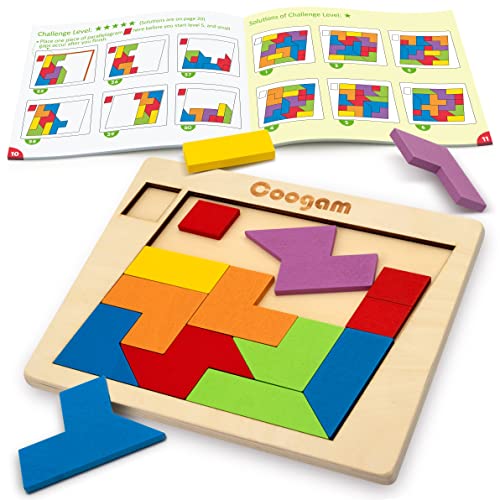
Coogam Wooden Puzzle Box with Compartments
This wooden puzzle box has multiple sliding panels that must be moved in the correct sequence to open the secret compartment. It comes with a small lock and key, adding to the mystery. Kids enjoy hiding small toys inside and figuring out how to retrieve them.
Pros
- Genuine puzzle mechanism
- Stimulates logical thinking
- Compact size for travel
Cons
- May be frustrating for younger kids
- Instructions are unclear

ThinkFun Gravity Maze Marble Run
While not a traditional box, this game features a grid base and towers that create a marble run puzzle. Kids place towers to guide a marble to the target, following challenge cards. The box includes storage for all pieces, and the game grows with the child as difficulty levels increase.
Pros
- Highly engaging logic puzzles
- Progressive difficulty
- Teaches cause and effect
Cons
- Not a box to open
- Some pieces require careful placement

SmartGames Brain Cheeser
This portable puzzle features a mouse character and cheese shaped pieces that fit into a compact game board. Kids slide the pieces to create a path for the mouse. It includes 60 challenges from easy to hard, and the board closes like a box for storage.
Pros
- Perfect for preschool cognitive skills
- Self contained and travel friendly
- Cute design kids love
Cons
- Pieces can be lost if not stored
- Some challenges may be too easy for older

YOYO Puzzle Box Secret Compartment
This wooden puzzle box is a true brain teaser. It has multiple interlocking pieces that must be manipulated in a specific order to open the hidden drawer. It is well crafted and offers a satisfying challenge for kids who enjoy solving mysteries.
Pros
- High quality craftsmanship
- Challenging and rewarding
- Great for improving patience
Cons
- No instructions included
- May be too difficult for some

Melissa & Doug Shape Sorting Cube
This classic wooden cube has 12 shaped holes and 12 corresponding blocks. Kids match shapes to push them through, then open the lid to dump them out and start again. The cube is sturdy and painted with non toxic colors.
Pros
- Excellent for shape recognition
- Durable construction
- Simple and safe for toddlers
Cons
- Not a puzzle for older kids
- Blocks can be thrown
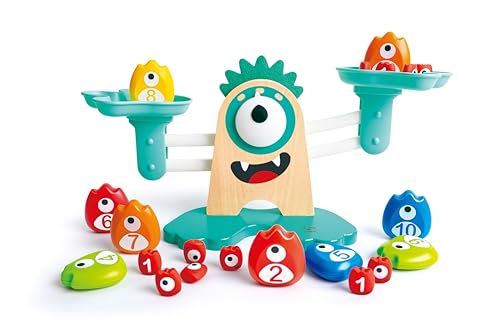
Hape Monster Math Scale
This toy is a balance scale with monster themed weights. Kids place numbers on one side and solve equations to balance the scale. It comes with a storage box for the pieces, and the scale itself encourages logical thinking and basic arithmetic.
Pros
- Teaches math and balance
- Engaging monster design
- Encourages experimentation
Cons
- Not a traditional puzzle box
- Some pieces may be small
How they compare
| # | Model | Ages | Best for | Score | Price |
|---|---|---|---|---|---|
| 1 | Melissa & Doug Pattern Blocks and Boards | 3 to 6 years | Preschoolers learning shapes and colors | 9.4 | Check price |
| 2 | Coogam Wooden Puzzle Box with Compartments | 6 and up | Kids who love hidden treasures | 8.9 | Check price |
| 3 | ThinkFun Gravity Maze Marble Run | 8 to 15 years | Building spatial reasoning and logic | 9.1 | Check price |
| 4 | SmartGames Brain Cheeser | 3 to 6 years | Young kids who like playful challenges | 8.6 | Check price |
| 5 | YOYO Puzzle Box Secret Compartment | 8 and up | Tweens and teens who enjoy complex puzzles | 8.8 | Check price |
| 6 | Melissa & Doug Shape Sorting Cube | 2 to 4 years | Toddlers learning shapes and colors | 9.0 | Check price |
| 7 | Hape Monster Math Scale | 3 to 7 years | Combining puzzle play with math basics | 8.2 | Check price |
Before you buy
Good to know
At what age can kids start using puzzle boxes?
Simple shape sorters are suitable for toddlers around 2 years old. More complex puzzle boxes with sliding panels or locks are better for ages 6 and up. Always check the manufacturer’s age recommendation.
Are wooden puzzle boxes better than plastic ones?
Wooden boxes are often more durable and have a classic feel. They are also more eco friendly. Plastic boxes can be lighter and sometimes have more vibrant colors. Both can be safe if they meet quality standards.
How do I choose the right puzzle box for my child?
Consider your child’s age, fine motor skills, and attention span. Younger kids need larger pieces and simple tasks. Older kids may enjoy a challenge with multiple steps. Also think about their interests, like animals, vehicles, or mysteries.
Can puzzle boxes help with cognitive development?
Yes. Puzzle boxes promote problem solving, spatial reasoning, and logical thinking. They also improve hand eye coordination and fine motor skills. As kids figure out how to open the box, they learn persistence and patience.
Are there puzzle boxes for kids with special needs?
Many puzzle boxes are adaptable. Look for ones with larger pieces or simpler mechanisms. Some children may benefit from the tactile feel of wooden shapes. Always observe how your child interacts with the toy and provide support as needed.
What if my child loses pieces?
Many puzzle boxes come with storage solutions, like the Melissa & Doug Pattern Blocks box. Encourage your child to put pieces back after play. If a piece is lost, contact the manufacturer to see if replacements are available.
Can puzzle boxes be used for group play?
Yes. Some puzzle boxes are designed for single players, but you can take turns solving challenges. Marble runs can be collaborative. Group play helps with social skills and teamwork.
How long do kids stay interested in puzzle boxes?
It depends on the child and the toy. Classic shape sorters might be outgrown quickly. However, puzzle boxes with multiple challenges, like ThinkFun Gravity Maze, can keep older kids engaged for years. Rotate toys to maintain interest.
The bottom line
For most families, the Melissa & Doug Pattern Blocks and Boards is the best overall puzzle box for kids. It offers quality construction, educational value, and a built in storage box. If you have a child who loves solving mysteries, the Coogam Wooden Puzzle Box with Compartments is a fantastic choice. And for STEM focused learning, the ThinkFun Gravity Maze is outstanding. Choose based on your child’s age and interests, but any of these will provide hours of constructive play.