Quilt Batting Picks for Every Project Type
For most quilters, the Warm Company Warm & Natural Cotton Batting stands out as the top pick because it offers a perfect balance of warmth, drape, and needle ease without requiring close quilting. Its main limitation is that it can shrink up to 5 percent, which may be a surprise if you skip prewashing. That said, it is a reliable, versatile choice for wall hangings, bed quilts, and everything in between.
Selecting the right quilt batting can make or break your finished project. The wrong loft can stiffen a quilt, or the wrong fiber can cause excessive bearding. This guide breaks down the top contenders to help you match batting to your project’s demands.
We compared specifications, owner reports, and manufacturer recommendations to highlight each product’s strengths and weaknesses. Whether you prioritize natural fibers, easy quilting, or a specific loft, you will find a clear winner for your needs.
The shortlist, ranked
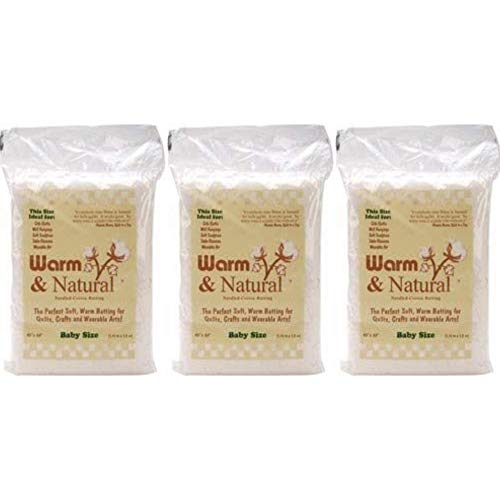
Warm Company Warm & Natural Cotton Batting
This 100% cotton batting is needle punched, not resin bonded, so it drapes beautifully and is soft to the touch. It requires quilting up to 4 inches apart, giving you freedom in your quilting design. Owners report minimal bearding and a lovely crinkle after washing. It is ideal for both machine and hand quilting.
Pros
- Needle punched for soft drape
- No resin, so it is breathable and easy to needle
- Provides warmth without excess bulk
Cons
- May shrink noticeably if not prewashed
- Not as lofty as polyester blends
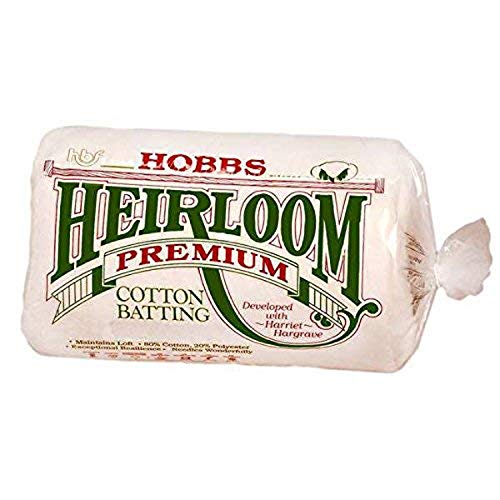
Hobbs Heirloom 80/20 Cotton Blend Batting
This batting combines 80% cotton with 20% polyester, offering the best of both worlds: cotton’s breathability and polyester’s resilience. It is needle punched and glazed, which reduces bearding and makes it ideal for machine quilting. Quilters appreciate its low shrinkage and consistent loft.
Pros
- Less shrinkage than pure cotton
- Glazed finish prevents fiber migration
- Soft and drapeable for garments and quilts
Cons
- Slightly more expensive than pure cotton
- Polyester content may not appeal to purists

Pellon 100% Cotton Batting (Warm & Natural Alternative)
Pellon offers a 100% cotton batting that is comparable to more expensive brands at a lower price point. It is needle punched and has a similar low loft. Users report it quilts well and is great for practice quilts or projects where cost matters. It does not have the same brand recognition but performs admirably.
Pros
- Affordable for cotton batting
- Soft and easy to needle
- Good for beginners
Cons
- May beard slightly more than premium brands
- Not as widely available in craft stores

Fairfield World Poly-Fil Traditional Polyester Batting
This 100% polyester batting is bonded and offers a high, fluffy loft that gives quilts that cozy, puffy look. It is resistant to lumping and shifting, and it does not shrink. It is an excellent choice for quilts that will be used and washed frequently, as it holds its shape well.
Pros
- High loft for a puffy appearance
- No shrinkage or bearding
- Durable and easy to care for
Cons
- Can be too warm for some climates
- Not as breathable as natural fibers

Quilters Dream Wool Batting
Quilters Dream Wool batting is made from 100% wool and is needle punched for stability. It provides exceptional warmth without weight, making it ideal for bed quilts. It has natural moisture-wicking properties and is breathable. Owners love its drape and how it enhances quilted textures.
Pros
- Excellent warmth-to-weight ratio
- Breathable and moisture-wicking
- Beautiful drape for stitching definition
Cons
- More expensive than cotton or polyester
- Requires special care (dry cleaning recommended)
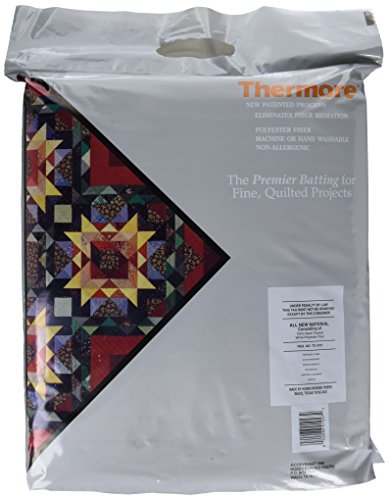
Hobbs Thermore Batting
Hobbs Thermore is a 100% polyester batting that is extremely thin and lightweight. It is designed for use in garments, wall hangings, and table runners where bulk is not desired. It does not shift or beard, and it can be quilted up to 6 inches apart, giving you flexibility. It is also machine washable.
Pros
- Ultra thin and flexible
- Easy to quilt at wide intervals
- Ideal for lightweight projects
Cons
- Not enough loft for cozy bed quilts
- May not provide enough warmth for cold climates

Warm Company Warm & White Cotton Batting
This is a 100% cotton batting that is bleached to a bright white, so it won’t darken light-colored quilts. It has the same needle-punched construction as Warm & Natural but with a whiter appearance. It is perfect for quilts with white or pastel fabrics, and it offers the same ease of quilting.
Pros
- Bright white color prevents show-through
- Same quality as Warm & Natural
- Soft and drapes well
Cons
- Shrinks similarly to other cotton battings
- Slightly more expensive than unbleached versions
Before you buy
How they compare
| # | Model | Fiber | Best for | Score | Price |
|---|---|---|---|---|---|
| 1 | Warm Company Warm & Natural Cotton Batting | 100% cotton | All-purpose cotton batting with needle punch ease | 9.4 | Check price |
| 2 | Hobbs Heirloom 80/20 Cotton Blend Batting | 80% cotton, 20% polyester | Blended cotton for even warmth and less shrinkage | 9.2 | Check price |
| 3 | Pellon 100% Cotton Batting (Warm & Natural Alternative) | 100% cotton | Budget-friendly cotton batting | 8.8 | Check price |
| 4 | Fairfield World Poly-Fil Traditional Polyester Batting | 100% polyester | High loft for puffy quilts and comforters | 8.6 | Check price |
| 5 | Quilters Dream Wool Batting | 100% wool | Lightweight warmth for heirloom quilts | 9.0 | Check price |
| 6 | Hobbs Thermore Batting | 100% polyester | Low loft for wall hangings and garments | 8.4 | Check price |
| 7 | Warm Company Warm & White Cotton Batting | 100% cotton | Bright white cotton for light fabrics | 9.1 | Check price |
Questions worth asking
What is the best batting for a beginner quilter?
For beginners, a low loft cotton or cotton/polyester blend is easiest to handle. It doesn’t shift much and is forgiving. The Warm Company Warm & Natural is a popular choice because it is needle punched and easy to quilt through.
How much shrinkage should I expect from cotton batting?
Cotton batting can shrink up to 5% when washed. This shrinkage gives quilts a charming crinkled texture. If you want to minimize shrinkage, prewash the batting before layering, or use a blend with polyester.
Can I machine wash quilts with wool batting?
Wool batting generally requires gentle care. It is best to dry clean or hand wash in cold water with a mild detergent. Machine washing may cause felting or shrinkage. Always check the manufacturer’s instructions.
What does ‘bearding’ mean in quilting?
Bearding refers to fibers from the batting working through the fabric to the surface, creating a fuzzy appearance. It often happens with low-quality batting or when the fabric is loosely woven. Using a needle punched or glazed batting can reduce bearding.
What is the difference between needle punched and resin bonded batting?
Needle punched batting uses barbed needles to interlock fibers, making it soft and flexible. Resin bonded batting uses a chemical adhesive to hold fibers together, which can make it stiffer and more resistant to bearding. Needle punched is generally preferred for drape.
How do I choose batting for a baby quilt?
For baby quilts, choose a batting that is soft, breathable, and machine washable. Cotton or a cotton/polyester blend is ideal because it is gentle on sensitive skin. Avoid high loft or wool batting that may be too warm or require special care.
What is the maximum quilting distance for polyester batting?
Most polyester battings allow quilting up to 3 to 4 inches apart, but some like Hobbs Thermore allow up to 6 inches. Always check the package label for specific recommendations. Polyester is forgiving if you quilt farther apart, but too far may cause shifting.
Should I prewash batting before using it?
Prewashing can remove sizing and reduce shrinkage, but it can make batting harder to work with. If you want a crinkled look, do not prewash. If you want a flat quilt, prewash in warm water and dry on low. Test a small piece first.
Can I use any batting for hand quilting?
Yes, but some battings are easier to needle than others. Look for needle punched battings or those labeled ‘hand quilting’ friendly. Low loft cotton or wool is often preferred because it doesn’t resist the needle as much as high loft polyester.
What is the warmest type of batting?
Wool batting is known for its excellent warmth-to-weight ratio, making it very warm without being heavy. Polyester is also warm but can be bulky. Cotton is less warm but breathable. Consider the climate and intended use.
The bottom line
For most quilters, the Warm Company Warm & Natural Cotton Batting is the definitive choice because it combines natural breathability, easy quilting, and a timeless crinkle that adds charm. If you need a bright white for light fabrics, the Warm & White version is equally excellent. If you prefer a blend to reduce shrinkage, Hobbs Heirloom 80/20 is a strong alternative. For those who want a lofty, no-shrink option, Fairfield Poly-Fil is the go-to. Ultimately, select based on your project’s requirements, but you cannot go wrong with Warm & Natural.