Top Rechargeable Packs for Hikers and Backpackers
For most backpackers, the Voltaic Systems Voyager 25L stands out as the top pick because it integrates a high-efficiency solar panel into a comfortable, weather-resistant pack, making it ideal for multi-day trips where power outlets are scarce. Its main limitation is the higher price and the fact that solar charging is slower than wall charging, so you still need to manage your power usage.
Long trails demand reliable power for your phone, GPS, and camera. A rechargeable backpack with built-in solar or battery systems keeps you connected without the weight of extra power banks.
We compared the leading models to help you choose. Each pack offers a different balance of solar charging, storage capacity, and comfort.
How to pick the right one
What we recommend

Voltaic Systems Voyager 25L Solar Backpack
A rugged 25-liter pack with a high-efficiency 6-watt solar panel that charges devices even in overcast conditions. The laptop sleeve and multiple organizers make it versatile for both trail and city.
Pros
- High-efficiency solar panel with USB output
- Comfortable padded straps and breathable back
- Durable water-resistant fabric
Cons
- Solar charging is slow; requires direct sun
- No built-in battery pack

Mokobora Solar Backpack with USB Charging Port
An affordable 30-liter daypack with a built-in USB port and a small solar panel that can trickle-charge a power bank. It includes a separate USB cable for easy connection.
Pros
- Very affordable
- Lightweight and comfortable
- Built-in USB port for on-the-go charging
Cons
- Solar charging is minimal
- Limited organization and durability
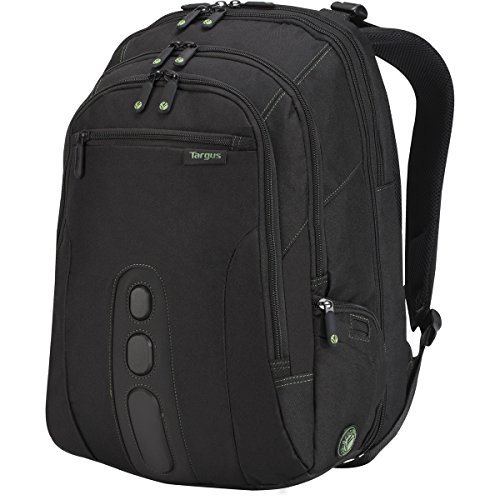
Targus USB Type-C Travel Backpack with PowerBank
This 32-liter pack features a built-in 10,000mAh power bank with an integrated USB cable, allowing you to charge your phone up to three times. It is designed for laptops and has a sleek look.
Pros
- Built-in battery with high capacity
- Dedicated laptop compartment
- Integrated cable management
Cons
- Not waterproof
- Heavier than some hiking packs
Xbench 40L Solar Backpack with USB Charging Port
A spacious 40-liter pack with a 5V solar panel and a built-in USB port. It is designed for extended trips, with multiple compartments and a rain cover.
Pros
- Large capacity for gear
- Solar panel with USB output
- Rain cover included
Cons
- Solar panel efficiency is moderate
- Straps may be thin for heavy loads
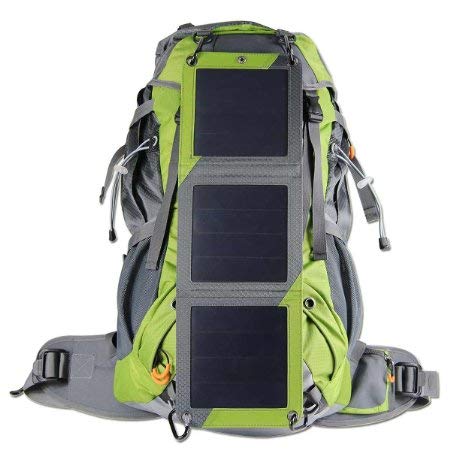
Energizer 3-in-1 Solar Backpack
This 30-liter pack includes a detachable 10,000mAh power bank with solar charging capability and a USB port. It features multiple pockets and a comfortable fit.
Pros
- Detachable power bank can be used separately
- Solar panel and battery combo
- Good organization
Cons
- Solar charging is slow
- Heavier due to battery
Vancropak Solar Backpack with USB Charging Port
A stylish 25-liter backpack with a built-in USB port and a small solar panel. It includes a padded laptop compartment and anti-theft features.
Pros
- Sleek design with anti-theft pockets
- Fits most 15.6-inch laptops
- Lightweight
Cons
- Solar panel is more of a gimmick
- Limited hiking features

MATEIN Travel Laptop Backpack with USB Charging Port
A 40-liter expandable backpack with a USB charging port that connects to your own power bank (sold separately). It is water-resistant and has a dedicated laptop compartment.
Pros
- Expandable capacity
- Water-resistant fabric
- Comfortable padding
Cons
- No built-in battery
- Solar panel not included
The lineup, side by side
| # | Model | Capacity | Best for | Score | Price |
|---|---|---|---|---|---|
| 1 | Voltaic Systems Voyager 25L Solar Backpack | 25 liters | Multi-day trips needing reliable solar power | 9.4 | Check price |
| 2 | Mokobora Solar Backpack with USB Charging Port | 30 liters | Budget-conscious hikers needing basic charging | 8.4 | Check price |
| 3 | Targus USB Type-C Travel Backpack with PowerBank | 32 liters | Business travelers and commuters | 8.2 | Check price |
| 4 | Xbench 40L Solar Backpack with USB Charging Port | 40 liters | Long expeditions needing extra storage | 8.0 | Check price |
| 5 | Energizer 3-in-1 Solar Backpack | 30 liters | Families and emergency preparedness | 8.6 | Check price |
| 6 | Vancropak Solar Backpack with USB Charging Port | 25 liters | College students and daily commuters | 8.1 | Check price |
| 7 | MATEIN Travel Laptop Backpack with USB Charging Port | 40 liters expandable | Weekend hikers who need a power bank pocket | 8.3 | Check price |
Questions worth asking
How long does it take to charge a phone using a solar backpack?
With a 6-watt panel in direct sunlight, a typical smartphone may charge in 3 to 4 hours. Smaller panels (2 watts) may take up to 10 hours. Charging is slower on cloudy days or when the panel is not angled toward the sun.
Can I use the solar panel while walking?
Yes, but efficiency drops because the panel is not always facing the sun. Some packs allow you to attach the panel to the outside of the pack for better exposure. For optimal charging, set the pack down in a sunny spot during breaks.
Are solar backpacks worth it for day hikes?
For a day hike, a simple power bank is lighter and more reliable. Solar backpacks are more useful for multi-day trips where you can charge during breaks. If you are going on a long trek, a solar panel can extend your power supply.
What is the difference between a built-in battery and a USB port?
A built-in battery stores energy, so you can charge your phone without needing sunlight. A USB port alone requires an external power bank or a solar panel to generate power. Some packs have both a solar panel and a battery, allowing you to store solar energy for later use.
Can I wash a solar backpack?
Most solar backpacks should be spot cleaned with a damp cloth. Remove the battery if possible. Do not machine wash, as it may damage the solar panel and electronics. Check the manufacturer’s instructions for specific care.
How do I connect my power bank to the backpack’s USB port?
Many backpacks have a built-in USB cable that plugs into your power bank inside the pack. The other end is accessible from the outside. Alternatively, you can run your own cable through a dedicated port. Always follow the pack’s instructions.
What is the best capacity for a backpacking trip?
For a weekend trip, 25 to 35 liters is often enough. For longer treks, 40 to 50 liters may be needed. Consider the gear you carry, including food, water, and clothing. A larger pack is heavier, so balance capacity with comfort.
Are solar panels in backpacks durable?
Most solar panels are made of flexible materials and are built to withstand normal wear. However, they can be scratched or damaged by sharp objects. Treat the panel with care and avoid folding it tightly. Look for packs with protected panel placements.
Do these backpacks have a warranty?
Warranties vary by brand. Many offer a limited warranty covering manufacturing defects. Some brands have a one-year warranty. Check the product listing or manufacturer’s website for details.
Can I use the USB port to charge any device?
Yes, as long as the device is compatible with USB charging. Most smartphones, tablets, and cameras can be charged. However, the output current (usually 1A to 2.1A) may be lower than your device’s original charger, so charging may be slower.
The verdict
For serious backpackers who spend multiple nights off the grid, the Voltaic Systems Voyager 25L is the best investment because it combines a genuinely effective solar panel with a well-designed pack. If your trips are shorter or you prefer a lighter setup, the Energizer 3-in-1 offers a built-in battery and solar panel at a lower price, making it a solid alternative for weekend adventures.
You might also need

Power Up Anywhere: Top Rechargeable Gear for Camping and Hiking

Top Foldable Dry Bags for Backpacking Adventures

Adjustable Dumbbells for Beginners: Top Picks to Start Strong
