Which Reptile Food Actually Fits Your Large Pet?
Mazuri Tortoise Diet suits large grazing tortoises with a fiber-heavy, low-protein pellet. Zoo Med Adult Bearded Dragon Food fits big bearded dragons with pellets sized for adult jaws. Mazuri Predator Diet covers large carnivorous lizards like monitors and tegus that need real meat-based protein.
Mazuri Tortoise Diet leads for large grazing tortoises, built around the high fiber and low protein a tortoise gut actually needs, though it needs soaking before serving. Zoo Med Adult Bearded Dragon Food covers big bearded dragons with pellets sized for adult jaws. Owners of monitors, tegus or other large carnivorous lizards get more from Mazuri Predator Diet, which skips the plant fiber those species cannot digest well.
Large reptiles span wildly different diets, from a tortoise grazing on fiber to a monitor lizard eating whole prey. A food labeled simply for reptiles often targets one narrow group and underfeeds the rest. We compared listed protein sources, fiber and calcium content and the species each formula targets, then checked what keepers report about acceptance and stool quality.
The best picks, ranked

Mazuri Tortoise Diet
Grass and legume meal form the base of this high-fiber pellet, matching what large grazing tortoises eat in the wild far better than fruit-heavy mixes. Low protein content avoids the shell pyramiding linked to overfeeding. Keepers of sulcata and leopard tortoises report normal, formed stool after switching from mixed produce diets.
Pros
- Fiber content matches natural grazing diet
- Low protein reduces shell pyramiding risk
- Widely used across large tortoise species
Cons
- Needs soaking before serving to larger tortoises
- Not appropriate for carnivorous or omnivorous reptiles
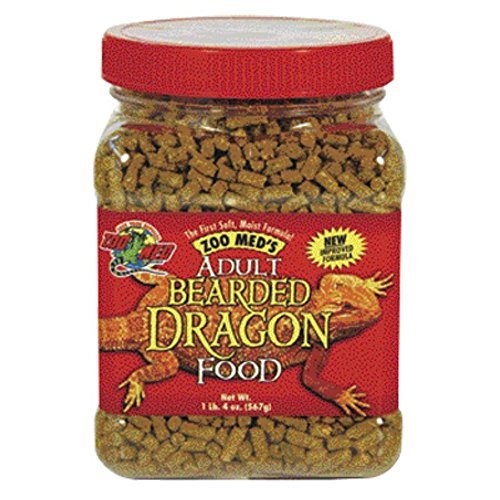
Zoo Med Adult Bearded Dragon Food
Pellet size and protein ratio shift for adult jaws compared to Zoo Med’s juvenile formula, cutting excess protein once growth slows. Added vitamin D3 and calcium support bone density past the first year. Owners report good acceptance when pellets are lightly misted before feeding.
Pros
- Pellet size suited to adult bearded dragon jaws
- Added D3 and calcium support bone health
- Consistent acceptance reported across adult dragons
Cons
- Some dragons prefer live feeders over pellets
- Not formulated for juvenile bearded dragons

Mazuri Predator Diet
Meat-based protein targets monitors, tegus and other large carnivorous reptiles that need more than a grazing species requires. Plant fiber those species digest poorly is left out entirely. Keepers use it to supplement or replace whole prey feeding for easier portion control.
Pros
- Protein level matches carnivorous species needs
- Simplifies portion control versus whole prey
- Skips plant fiber unsuited to carnivores
Cons
- Not suitable for herbivorous tortoises or iguanas
- Some individuals need transition time from live prey

Fluker’s Buffet Blend Iguana Food
Vegetable and fruit content dominates this pellet mix, reflecting the herbivorous diet large green iguanas need, with added calcium to offset a plant-heavy intake. Pellets rehydrate quickly when soaked, easing digestion in older iguanas. Owners often mix it with fresh greens rather than feeding it alone.
Pros
- Formulated specifically around iguana herbivory
- Soaks quickly for easier digestion
- Calcium added to offset plant-heavy diet
Cons
- Best used alongside fresh greens, not alone
- Not appropriate for carnivorous species

Repashy Grub Pie
A powdered mix rehydrates into a gel that mimics grub and insect content, useful as supplemental feeding for omnivorous large reptiles like sulcata tortoises or large bearded dragons. Dry storage gives it a long shelf life before mixing. Keepers prepare small batches to avoid waste, since gel spoils faster than dry pellets once mixed.
Pros
- Long dry shelf life before preparation
- Mimics natural grub and insect protein
- Useful as a rotation food alongside pellets
Cons
- Prepared gel spoils faster than dry pellets
- Not a complete standalone diet for most species

Zilla Reptile Munchies Adult Bearded Dragon Formula
Dried fruit, vegetable and insect pieces cover adult bearded dragon nutrition at a lower cost per feeding than premium pellet lines. Piece size targets large adult dragons rather than juveniles. Owners report it works well as a base diet topped with fresh greens.
Pros
- Lower cost per feeding than premium pellets
- Piece size suits large adult dragons
- Works well combined with fresh greens
Cons
- Calcium supplementation needed separately
- Less consistent texture than pelleted diets

Exo Terra Adult Bearded Dragon Food
A straightforward pellet formula covers baseline adult bearded dragon nutrition without extras that raise the cost. Light misting rehydrates it for easier eating in older dragons. Owners describe it as a reasonable everyday base food, rotated with live feeders and greens.
Pros
- Lowest cost per feeding in this roundup
- Simple formula suits everyday feeding
- Softens easily with light misting
Cons
- No added D3 boost like premium pellet lines
- Best paired with a separate calcium supplement
Before you buy
Matching a food to your reptile’s actual diet type Large reptiles split into three broad feeding groups: grazing herbivores like tortoises, omnivores like bearded dragons, and carnivores like monitors. A food built for one group can underfeed or overfeed protein for another. Check the target species on the label before assuming one reptile food works across a tank of mixed species.
Why fiber matters most for large tortoises Grazing tortoises evolved on high-fiber, low-protein grasses and weeds, and a food too rich in protein or sugar drives uneven shell growth called pyramiding. Mazuri Tortoise Diet keeps fiber high and protein low for exactly this reason. Fruit-heavy commercial mixes marketed generically for tortoises often skip that balance entirely.
Calcium to phosphorus ratio in large reptile diets Bone health in large reptiles depends on getting more calcium than phosphorus, not just calcium in general. Zoo Med and Fluker’s both add calcium specifically to offset phosphorus-heavy plant matter. Ask a reptile veterinarian about extra supplementation when a diet’s ratio is not listed clearly on the label.
Pellet, gel or whole prey: choosing a feeding format Dry pellets store longest and simplify portion control for tortoises and bearded dragons. Gel diets, like Repashy Grub Pie, add variety but spoil faster once mixed. Whole prey feeding still suits many carnivorous species best, with Mazuri Predator Diet working as a supplement rather than a full replacement for most keepers.
Side by side
| # | Model | Form | Best for | Score | Price |
|---|---|---|---|---|---|
| 1 | Mazuri Tortoise Diet | Dry pellet, soak before feeding | Best overall | 9.4 | Check price |
| 2 | Zoo Med Adult Bearded Dragon Food | Dry pellet | Best for large bearded dragons | 9.1 | Check price |
| 3 | Mazuri Predator Diet | Dry pellet, meat-based | Best for large carnivorous lizards | 8.8 | Check price |
| 4 | Fluker’s Buffet Blend Iguana Food | Dry pellet, soak recommended | Best for iguanas | 8.6 | Check price |
| 5 | Repashy Grub Pie | Powder, mixed into gel | Best gel diet supplement | 8.4 | Check price |
| 6 | Zilla Reptile Munchies Adult Bearded Dragon Formula | Dried mixed pieces | Best value | 8.2 | Check price |
| 7 | Exo Terra Adult Bearded Dragon Food | Dry pellet | Best budget | 8.0 | Check price |
Questions worth asking
What is the best food for a large sulcata tortoise?
Mazuri Tortoise Diet is built around the high fiber and low protein sulcata tortoises need as grazing herbivores, and large tortoise keepers use it widely.
Can bearded dragons eat tortoise food?
No. Tortoise diets carry too little protein for an omnivorous bearded dragon. Use a dedicated adult bearded dragon formula like Zoo Med or Zilla instead.
What do large monitor lizards eat in captivity?
Whole prey items remain the base of most monitor diets, with a formulated meat-based food like Mazuri Predator Diet used to supplement or simplify portions.
How often should large reptiles be fed pellet food?
Grazing tortoises can have pellets available several times a week alongside fresh forage. Adult bearded dragons typically eat pellets daily or every other day, adjusted for weight and activity level.
Is gel food a complete diet for reptiles?
Most gel diets like Repashy Grub Pie serve as a supplement or rotation food, not a full replacement for a species-appropriate pellet or prey-based diet.
Do large iguanas need different food than juveniles?
Yes. Adult iguana formulas like Fluker’s Buffet Blend adjust portion size and calcium content for a fully grown herbivore’s needs versus a growing juvenile.
How do I know if a reptile food has enough calcium?
Check the label for a calcium to phosphorus ratio or added D3, and confirm the formula targets your reptile’s actual species rather than reptiles generally.
What is the best budget reptile food for large pets?
Exo Terra Adult Bearded Dragon Food and Zilla Reptile Munchies both keep cost per feeding low while still targeting adult bearded dragon nutrition specifically.
Bearded dragon pellets vs live feeders: which is better?
Pellets simplify feeding and cut cost, while live feeders trigger natural hunting behavior many dragons still prefer. Many keepers rotate both rather than picking one exclusively.
Our take
Mazuri Tortoise Diet is the strongest choice for large grazing tortoises, given its fiber-forward, low-protein formula. Zoo Med Adult Bearded Dragon Food suits big bearded dragons better, with adult-sized pellets and added D3. Owners of monitors or other large carnivorous lizards should choose Mazuri Predator Diet instead, since none of the herbivore-focused options here fit that feeding style.