How to Match Reptile Food to Your Small Pet’s Species
Zoo Med Adult Bearded Dragon Food leads for adult omnivorous dragons, Repashy Superfoods Crested Gecko Diet covers frugivorous crested geckos without live insects, and Fluker’s Original Formula Grade A Cricket Diet gut-loads feeder insects before they reach an insectivore’s enclosure.
Zoo Med Adult Bearded Dragon Food is the strongest all-around pick for owners of adult bearded dragons, blending plant and insect-based protein into one pelleted bag. Pellet size suits omnivorous adults best and offers little value for strict insectivores like leopard geckos or frugivores like crested geckos.
Species, life stage, and feeding method split reptile diets sharply, so one bag rarely fits a mixed collection. We compared guaranteed analysis labels, pellet or powder format, target species listed on packaging, and feedback from keepers across bearded dragon, gecko, turtle and tortoise communities.
Our top picks
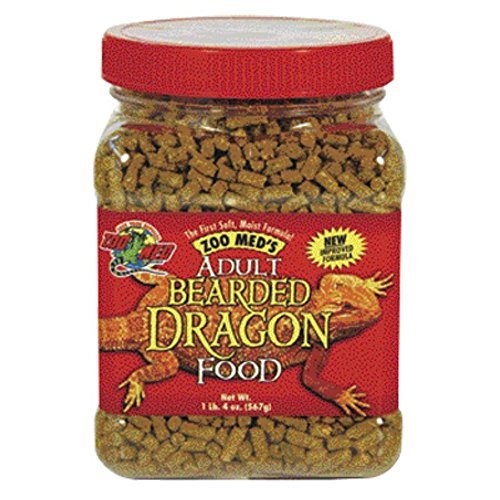
Zoo Med Adult Bearded Dragon Food
Plant proteins blend with dried insects in this pelleted formula for bearded dragons over 12 months old. Pellet size targets adult jaws, cutting choking risk compared to smaller juvenile kibble. Owners report dragons accept it dry or softened with water for animals with weaker bite force.
Pros
- Pellet size matches adult bearded dragon jaws
- Combines plant and insect protein sources
- Resealable bag limits exposure to moisture
Cons
- Not formulated for juvenile bearded dragons
- Some dragons still need fresh vegetables alongside it

Repashy Superfoods Crested Gecko Diet
Mixed with water, this powdered diet becomes a paste that mimics the fruit and insect blends crested geckos eat in the wild. No live feeder insects are required when it’s used as the primary diet. Powder form means owners mix fresh batches every one to two days rather than feeding straight from the jar.
Pros
- Removes need for live insects as a staple diet
- Contains calcium and vitamin fortification in one mix
- Covers both crested and gargoyle geckos with one product
Cons
- Requires daily or every-other-day fresh mixing
- Powder can clump if the jar isn’t sealed tightly

Fluker’s Original Formula Grade A Cricket Diet
This dry gut-load diet feeds crickets and other feeder insects for 24 to 48 hours before they’re offered to insectivorous reptiles. It’s built to raise the nutrient value of the insects rather than to feed reptiles directly. Owners scatter it in cricket keepers alongside a separate water source.
Pros
- Boosts nutrient content of feeder insects before dusting
- Works across multiple feeder insect species
- Dry granular form stores at room temperature without spoiling quickly
Cons
- Not a direct food source for reptiles
- Needs a separate water source for insects to stay hydrated

Zoo Med Aquatic Turtle Food Growth Formula
These floating pellets target juvenile aquatic turtles that need higher protein for shell and skeletal growth. Pellets float, letting turtles feed at the surface the way they’d hunt in shallow water. Uneaten pellets soften over time and can cloud tank water if left too long.
Pros
- Floating pellets match natural surface feeding behavior
- Higher protein supports faster juvenile growth
- 6 oz jar suits a single-turtle starter tank without waste
Cons
- Formula shifts to a maintenance diet once turtles mature
- Leftover pellets can affect water clarity if overfed

Zoo Med Can O’ Mealworms
Whole mealworms packed in water give off a stronger scent here than dried or freeze-dried forms, which can tempt reluctant feeders. It works as an occasional treat for bearded dragons, leopard geckos and other insectivores rather than a daily staple. The can stores at room temperature until opened.
Pros
- Strong scent helps tempt picky or stressed eaters
- Shelf-stable can needs no refrigeration until opened
- Works as a treat across several insectivore species
Cons
- Not intended as a complete daily diet
- Smaller can size means frequent repurchasing for regular use

Zoo Med Natural Tortoise Food
Formulated for herbivorous tortoises rather than omnivorous lizards, this pelleted diet carries a fiber content suited to grazing species. Pellets soften quickly when soaked, helping tortoises with weaker bite strength. The formula is built around plant fiber and forage-style ingredients rather than insect protein.
Pros
- Fiber content matches grazing tortoise digestion
- Softens easily for tortoises with weaker bite strength
- Plant-based formula skips insect protein tortoises don’t need
Cons
- Not suitable for omnivorous or insectivorous species
- Should supplement, not replace, fresh forage and greens

Zilla Reptile Munchies Juvenile Bearded Dragon Food
Kibble in this pelleted formula runs smaller than adult bearded dragon food, matching the bite capacity of dragons under a year old. It carries a higher protein ratio to support faster juvenile growth rates. Owners typically feed it alongside chopped greens and occasional live insects.
Pros
- Smaller pellet size fits juvenile bite capacity
- Higher protein ratio supports faster growth
- 4.5 oz bag size limits waste before the next size-up switch
Cons
- Needs switching to an adult formula around 12 months
- Still requires fresh greens for balanced nutrition
The lineup, side by side
| # | Model | Format | Best for | Score | Price |
|---|---|---|---|---|---|
| 1 | Zoo Med Adult Bearded Dragon Food | Pelleted | Best overall | 9.4 | Check price |
| 2 | Repashy Superfoods Crested Gecko Diet | Powder, mixed with water | Best for crested geckos | 9.1 | Check price |
| 3 | Fluker’s Original Formula Grade A Cricket Diet | Dry granular gut-load | Best for gut-loading feeder insects | 8.8 | Check price |
| 4 | Zoo Med Aquatic Turtle Food Growth Formula | Floating pellets | Best for aquatic turtles | 8.5 | Check price |
| 5 | Zoo Med Can O’ Mealworms | Canned, packed in water | Best budget | 8.3 | Check price |
| 6 | Zoo Med Natural Tortoise Food | Pelleted, softens when soaked | Best for tortoises | 8.1 | Check price |
| 7 | Zilla Reptile Munchies Juvenile Bearded Dragon Food | Pelleted, small kibble size | Best for juvenile bearded dragons | 8.0 | Check price |
What to look for
How Does Diet Change Across Reptile Species? Bearded dragons are omnivores that need plant and insect protein blended into a single diet. Leopard geckos are strict insectivores relying on live feeder insects rather than pellets. Crested geckos evolved eating fruit, nectar and small insects, making powdered fruit-based diets a practical substitute. Aquatic turtles need floating pellets with higher protein during growth before dropping later. Tortoises are herbivores that need high-fiber pellets and fresh forage, not insect protein. Matching format to species prevents wasted food and nutrient gaps.
Live Feeder Insects vs Commercial Diets Crickets, mealworms and roaches supply movement that triggers a hunting response in insectivores. Gut-loading feeds insects a nutrient-dense diet for a day or two before they reach the reptile. Dusting adds a calcium or vitamin powder directly onto insects right before feeding. Commercial pellets and powders skip live insects but lack the enrichment value of hunting. Many keepers combine both approaches, using pellets as a base and insects as supplementation.
Protein and Calcium Needs Shift With Age Juvenile bearded dragons need protein ratios near 30 percent to support rapid early growth. Adult dragons do better on lower protein formulas closer to 18 percent to avoid excess weight gain. Aquatic turtles follow a similar pattern, starting on high-protein growth formulas before switching to maintenance diets. Calcium and vitamin D3 fortification matters most during growth phases and egg-laying periods. Reading the guaranteed analysis panel on packaging reveals these ratios before buying.
What About Picky Eaters and Small Enclosures? Some reptiles refuse dry pellets after a diet change or during recovery unrelated to food quality. Canned or scented feeder options can tempt a reluctant eater back onto a feeding schedule. Small enclosures limit how much live insect stock can be stored, making dried or canned backups useful. Powdered diets like crested gecko formulas need fresh mixing every couple of days in humid tanks. Storing opened food in a cool, dry spot keeps it from spoiling early.
Frequently asked questions
What is the best reptile food for bearded dragons?
Zoo Med Adult Bearded Dragon Food fits dragons over a year old, while Zilla Reptile Munchies suits juveniles with its smaller pellet size and higher protein.
Can crested geckos eat the same food as leopard geckos?
No, crested geckos do well on powdered fruit-based diets like Repashy Superfoods, while leopard geckos need live feeder insects as their primary diet.
Is pelleted food better than live insects for reptiles?
Pellets offer convenience and consistent nutrition, but live insects add hunting enrichment that pellets can’t replicate for insectivorous species.
How often should small reptiles be fed?
Juvenile bearded dragons typically eat pellets and insects once or twice daily, while adults often shift to once-daily feeding with less insect protein.
Does Repashy Crested Gecko Diet need water added?
Yes, the powder mixes with water into a paste, and fresh batches are typically made every one to two days.
What food is best for aquatic turtles?
Zoo Med Aquatic Turtle Food Growth Formula uses floating pellets with higher protein for juveniles, switching to a maintenance formula as turtles mature.
Gut loading vs dusting, which matters more?
Gut loading builds nutrients into the insect over a day or two, while dusting adds a calcium or vitamin coating right before feeding, and most keepers use both.
Can tortoises eat bearded dragon pellets?
No, tortoise pellets like Zoo Med Natural Tortoise Food carry higher fiber and no insect protein, matching a herbivorous diet that bearded dragon food doesn’t provide.
What is a good backup food for a picky eater reptile?
Zoo Med Can O’ Mealworms packs a stronger scent than dried feeders, which can tempt a reptile that has gone off its regular pellets or insects. It works best as an occasional treat rather than a full diet.
The bottom line
Zoo Med Adult Bearded Dragon Food remains the strongest single pick for anyone keeping an adult bearded dragon, thanks to its balanced pellet blend and adult-sized kibble. Owners of crested geckos should skip it entirely and reach for Repashy Superfoods Crested Gecko Diet instead, since the two species need completely different nutrient profiles. Turtle keepers raising juveniles get the most value from Zoo Med Aquatic Turtle Food Growth Formula’s higher protein ratio.