Top Reptile Lighting for Indoor Habitats
For most indoor reptile setups, the Zoo Med Reptisun T5 HO is the top pick because it provides high UVB output essential for vitamin D3 synthesis in desert species. Its main advantage is the long bulb life and efficient T5 technology, but it requires a separate fixture and may be overkill for shade-dwelling reptiles.
Proper lighting is crucial for the health and well-being of pet reptiles. It supports vitamin D3 synthesis, regulates circadian rhythms, and provides necessary heat for thermoregulation.
Choosing the right lighting can be overwhelming with so many options. We compared top-rated systems to help you decide which suits your reptile’s habitat best.
The shortlist, ranked

Zoo Med Reptisun T5 HO
A high-output T5 linear bulb that delivers strong UVB rays. Owners report healthy shell growth in tortoises and vibrant activity in bearded dragons. Requires a separate fixture, but the bulb lasts up to 12 months.
Pros
- Excellent UVB penetration
- Long-lasting bulb
- Available in multiple lengths
Cons
- Requires separate fixture
- Pricey initial setup
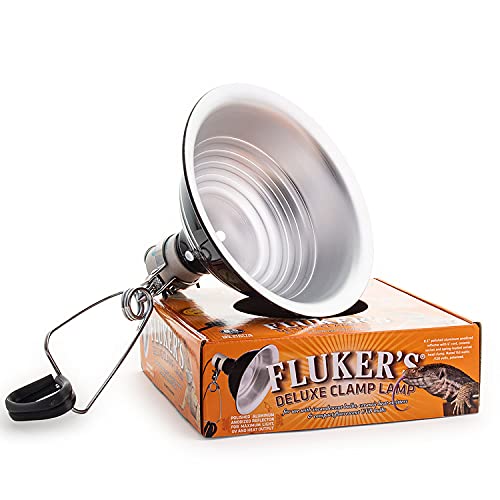
Fluker’s Sun Dome Reptile Lamp
A clamp-on dome lamp with a ceramic socket. Works with incandescent heat bulbs to provide basking spots. Users appreciate the easy setup and durable metal dome. Not for UVB, but pairs well with a separate UVB tube.
Pros
- Easy to install
- Provides focused heat
- Durable construction
Cons
- No UVB output
- Bulb not included

Exo Terra Solar Glow
A mercury vapor bulb that emits UVB, UVA, and heat in a single bulb. Fits into a standard dome lamp. Good for larger enclosures, but runs hot so needs careful distance control.
Pros
- Combines UVB and heat
- Reduces need for extra fixtures
- Strong output
Cons
- Very hot, risk of burns
- Bulb life shorter than T5

REPTI ZOO Dual Lamp Fixture
A dual dome fixture with two sockets for separate heat and UVB bulbs. Allows independent control. Users like the switchable plugs and adjustable stands. Requires buying bulbs separately.
Pros
- Flexible bulb choices
- Easy to control each light
- Sturdy stand
Cons
- Bulbs not included
- Takes up space

Arcadia Reptile D3+ T5 Kit
A complete T5 kit with a 6% UVB bulb, ideal for tropical and forest reptiles like crested geckos. Includes a reflective fixture. Owners find it quiet and efficient, but the bulb is less intense for desert dwellers.
Pros
- Complete kit
- Gentle UVB for forest species
- High-quality reflector
Cons
- Not enough UVB for desert species
- Bulb replacement can be costly

Zilla Reptile Lighting Fixture
An affordable fluorescent fixture for UVB bulbs. Works with standard T8 tubes. Users say it is easy to mount inside or on top of enclosures. Bulbs sold separately; base model lacks a reflector for maximum output.
Pros
- Low cost
- Simple design
- Works with common T8 bulbs
Cons
- Bulbs not included
- Less UVB output than T5

Lucky Herp UVB LED Bar
A newer LED bar that produces UVB without heat. Great for maintaining photoperiod without raising temperatures. Owners like the low energy use and slim profile. Still, research on LED UVB effectiveness is ongoing, so use with caution for sun-loving species.
Pros
- Energy efficient
- No heat, good for cooler enclosures
- Slim design
Cons
- Limited long-term studies
- May not be strong enough for some species
Side by side
| # | Model | Bulb Type | Best for | Score | Price |
|---|---|---|---|---|---|
| 1 | Zoo Med Reptisun T5 HO | T5 HO | Desert reptiles needing high UVB | 9.4 | Check price |
| 2 | Fluker’s Sun Dome Reptile Lamp | Dome lamp | Basking heat and UVA | 9.0 | Check price |
| 3 | Exo Terra Solar Glow | Mercury Vapor | All-in-one UVB and heat | 8.8 | Check price |
| 4 | REPTI ZOO Dual Lamp Fixture | 2 | Combining UVB and heat | 8.7 | Check price |
| 5 | Arcadia Reptile D3+ T5 Kit | 6% | Forest reptiles needing moderate UVB | 8.5 | Check price |
| 6 | Zilla Reptile Lighting Fixture | Fluorescent | Budget-friendly setups | 8.2 | Check price |
| 7 | Lucky Herp UVB LED Bar | UVB LED | Low-heat LED option | 8.0 | Check price |
How to pick the right one
Good to know
How long should I keep reptile lights on each day?
Most reptiles need 10 to 12 hours of light daily to mimic natural day and night cycles. Use a timer for consistency. Some species may benefit from seasonal variations.
Can I use regular household bulbs for my reptile?
Regular bulbs produce heat but no UVB. They are fine for heat, but you must provide a separate UVB source. Do not use colored bulbs as they can disrupt the reptile’s day/night cycle.
What is the difference between UVA and UVB?
UVA stimulates natural behaviors like feeding and mating. UVB enables vitamin D3 synthesis, which is vital for calcium absorption. Many reptile bulbs provide both UVA and UVB.
How far should the UVB light be from my reptile?
Distance depends on bulb intensity. For T5 high-output bulbs, keep 12 to 18 inches away. For lower output bulbs, 6 to 12 inches is typical. Always follow manufacturer guidelines and observe your reptile’s behavior.
Do nocturnal reptiles need UVB lighting?
Even nocturnal species benefit from low-level UVB exposure, especially if they are active during dawn or dusk. Some keepers use moonlight bulbs, but a low UVB source can help maintain health.
Can I use a heat mat instead of a heat lamp?
Heat mats provide belly heat but do not raise ambient temperature well. Many reptiles need a basking spot with overhead heat. A combination of both may be ideal for certain species.
How often should I replace UVB bulbs?
Most manufacturers recommend replacing UVB bulbs every 6 to 12 months. Even if the bulb still lights, UVB output diminishes over time. Check the package for specific recommendations.
Is LED lighting good for reptiles?
LED lighting is energy-efficient and produces little heat. Some LED systems now include UVB, but traditional fluorescent or mercury vapor bulbs have a longer track record. For species with high UVB needs, stick to proven technologies.
Our take
For most indoor reptiles, the Zoo Med Reptisun T5 HO is the best choice due to its reliable UVB output and long bulb life. Pair it with a heat lamp like the Fluker’s Sun Dome for a complete setup. If you prefer a single bulb solution, the Exo Terra Solar Glow works well for large enclosures, but monitor temperatures closely.