How to Pick a Reptile Water Bowl That Won’t Tip Over
Zoo Med’s Repti Rock Water Dish leads this comparison, thanks to a weighted base that resists tipping and sizes that fit most terrariums. Exo Terra’s Water Dish delivers the strongest value, while Zilla’s Reptile Terrarium Bowl suits keepers running several small enclosures on tight budgets.
Zoo Med’s Repti Rock Water Dish tops this list for general-purpose keepers, since its weighted base resists tipping better than lighter alternatives. One earth-tone finish is the only color option, so it won’t match every planted setup.
Tank size, species, and shedding needs pull buying decisions in different directions. We compared capacity, base weight, entry design, and material across seven current Amazon listings, then weighed that against owner feedback on stability and cleaning.
The shortlist, ranked

Zoo Med Repti Rock Water Dish (Large)
Polyresin molded into a flat-stone texture makes up this dish, with a weighted base that resists tipping when a bearded dragon or larger lizard climbs in. Roughly 16 ounces of water fit inside the large size, sized to suit a wide range of terrarium footprints. Daily water changes go faster too, since the glazed interior wipes clean without scrubbing.
Pros
- Wide base resists tipping from climbing reptiles
- Available in multiple sizes for different enclosures
- Glazed interior wipes clean without scrubbing
Cons
- Only one earth-tone color option
- Shallow lip lets smaller lizards splash water out

Exo Terra Water Dish (Medium)
A sloped entry on this resin dish mimics a shallow puddle, letting geckos and small lizards climb in and out on their own. Most 20 to 40 gallon terrariums fit the medium size without losing much floor space. Several sizes ship at similar pricing, so owners can match the dish to enclosure footprint without overspending.
Pros
- Sloped edge helps smaller reptiles enter and exit safely
- Sold in multiple sizes at a similar price point
- Neutral color blends into most terrarium decor
Cons
- Lighter build shifts more easily than rock-style dishes
- Textured bottom needs a stiff brush during cleaning
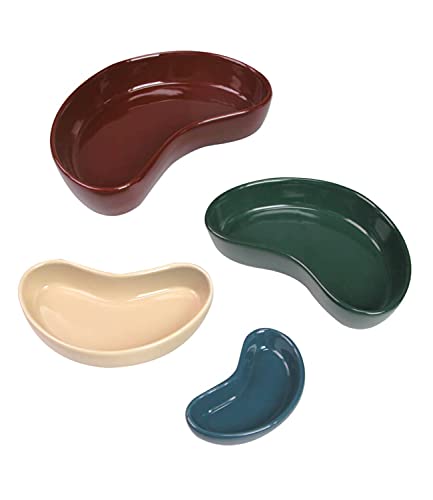
Zilla Reptile Terrarium Bowl (Small)
No rock texture or naturalistic shaping appears on this molded-plastic bowl, aimed at keepers running several small enclosures for geckos or hatchlings. Smooth plastic walls wipe out fast, and the lighter build slides more easily than resin dishes. Small and medium sizes both target multi-tank setups on a budget.
Pros
- Low cost per bowl for multi-enclosure setups
- Lightweight and easy to position anywhere
- Dishwasher safe for fast batch cleaning
Cons
- No weighted base, so it slides or tips more easily
- Plain look doesn’t match naturalistic decor

Zoo Med Repti Rock Food and Water Combo Dish
One molded piece holds a shallow water side next to a separate food well, suited to bearded dragons that eat greens and insects close to their water source. Sand or loose substrate doesn’t destabilize the wide, low profile. Both sides share the same rock-textured finish as Zoo Med’s standalone water dishes.
Pros
- Keeps food and water in one stable fixture
- Low profile suits substrate-dwelling lizards
- Matches rock-look decor from the same product line
Cons
- Each side holds less volume than a single full-size bowl
- Food well collects standing water if overfilled

Exo Terra Turtle Bowl (Large)
Despite the name, keepers of large snakes and bigger lizards favor this deep, wide bowl for full submersion during soaking. About two quarts of water fit inside, with a low, sloped ramp built into the rim. A heavier resin base keeps it in place even when a large snake coils inside.
Pros
- Deep enough for large reptiles to fully submerge
- Sloped ramp helps larger animals climb in and out
- Heavier base stays stable under a coiled snake
Cons
- Large footprint takes up significant floor space
- Deeper water needs more frequent changes to stay clean

Repti Zoo Reptile Resin Water Dish
Soaking during shedding drives the sizing on this deeper resin dish, which helps species like leopard geckos and crested geckos loosen stuck skin. No sharp corners line the rounded interior, so damp reptiles don’t scrape against the shell while resting inside. A few earth-tone finishes round out the lineup.
Pros
- Extra depth supports soaking during shed cycles
- Rounded interior is gentle on skin during sheds
- Holds humidity locally better than shallow dishes
Cons
- Smaller footprint than combo or extra-large dishes
- Textured exterior shows water spots between cleanings

Lugarti Naturalistic Reptile Water Dish
Embedded pebble detail gives this dish the look of a muddy puddle, built for planted or bioactive terrariums where a plain plastic bowl would stand out. An uneven rim hides the waterline visually while still holding a usable amount of water. Display or secondary use suits it better than serving as a primary large-volume dish.
Pros
- Blends into planted and bioactive terrarium builds
- Pebble detailing hides the waterline visually
- Compact size fits tight decor arrangements
Cons
- Holds less water than dedicated large dishes
- Painted finish wears faster than glazed resin
What to look for
Matching Bowl Size to Your Reptile A dish needs to let your reptile soak or drink without flooding the enclosure if it tips. Shallow, low-volume dishes under 8 ounces suit small geckos and frogs, while wide, low-profile bowls around 10 to 16 ounces work well for bearded dragons. Large snakes and tortoises need deep bowls holding a quart or more for full submersion. Going too large for the species wastes floor space and turns water changes into a bigger chore than necessary.
Material Trade-offs: Resin, Rock-Look Polyresin, and Plastic Weighted bottoms on polyresin rock-style dishes, like Zoo Med’s Repti Rock line, resist tipping but limit color choice. Molded plastic bowls, Zilla’s terrarium bowl among them, cost less and stack easily for keepers running several tanks, though they slide more without a weighted base. Blending into decor matters more than raw stability for painted or naturalistic resin dishes, which suit display tanks better than high-traffic enclosures with larger, active reptiles.
Bowls for Shedding, Soaking, and Humidity Leopard geckos, crested geckos, and other species that shed in patches benefit from a deeper dish they can fully enter during a shed cycle. Scraping loosened skin becomes less of an issue with a rounded interior that skips sharp corners. Local humidity also rises when a deeper soak dish sits on the warm side of the enclosure, which helps sheds come off in one piece instead of leaving stuck patches on toes or tail tips.
Combo Dishes and Tip-Resistant Designs for Messy Feeders Food often ends up in the water bowl when bearded dragons and similar reptiles eat near their water source. Separate wells in a combo dish keep food and water apart while sharing one stable, low-profile base. Snakes and larger lizards that climb or coil into their water need a heavier, wide-bottomed bowl with a sloped entry ramp, which reduces spills better than a lightweight plastic dish of the same size.
How they compare
| # | Model | Material | Best for | Score | Price |
|---|---|---|---|---|---|
| 1 | Zoo Med Repti Rock Water Dish (Large) | Polyresin, rock-textured | Best overall | 9.4 | Check price |
| 2 | Exo Terra Water Dish (Medium) | Resin composite | Best value | 9.1 | Check price |
| 3 | Zilla Reptile Terrarium Bowl (Small) | Molded plastic | Best budget | 8.8 | Check price |
| 4 | Zoo Med Repti Rock Food and Water Combo Dish | Polyresin, rock-textured | Best for bearded dragons | 8.6 | Check price |
| 5 | Exo Terra Turtle Bowl (Large) | Resin composite | Best for snakes and large reptiles | 8.4 | Check price |
| 6 | Repti Zoo Reptile Resin Water Dish | Resin | Best for humidity and shedding support | 8.2 | Check price |
| 7 | Lugarti Naturalistic Reptile Water Dish | Painted resin | Best naturalistic look | 8.0 | Check price |
Good to know
What is the best water bowl for bearded dragons?
A wide, low-profile dish works best, since bearded dragons rarely submerge fully. Zoo Med’s Repti Rock Food and Water Combo Dish pairs a shallow water side with a separate food well, keeping the two apart in one stable fixture.
How often should reptile water bowls be cleaned?
Most owners report rinsing and refilling daily, with a deeper scrub weekly to prevent algae or biofilm buildup. Smooth-glazed resin and plastic dishes wipe out faster than heavily textured rock-look designs.
Do snakes need a water bowl big enough to soak in?
Larger snakes benefit from a bowl deep and wide enough to submerge in, especially before a shed. The Exo Terra Turtle Bowl holds enough volume for full-body soaking in bigger enclosures.
Ceramic vs resin reptile water dishes, which holds up better?
Most current listings use resin or polyresin rather than true ceramic, since resin resists cracking if a heavy reptile climbs in. A weighted resin base also resists tipping better than lightweight ceramic alternatives.
Can I use a plastic bowl instead of a rock-style dish?
Plain plastic bowls, like the Zilla Reptile Terrarium Bowl, work fine for smaller or juvenile reptiles and cost less across multiple enclosures. Without a weighted base, they suit calmer or smaller species better than active climbers.
What size water dish works for leopard geckos?
A shallow dish around 6 to 8 ounces suits adult leopard geckos, since they rarely need to fully submerge outside of shed cycles. A deeper soak dish, the Repti Zoo resin dish among them, helps specifically during shedding.
Do tip-resistant water bowls actually stop spills?
Weighted, wide-bottomed designs like Zoo Med’s Repti Rock line reduce tipping significantly compared to lightweight plastic bowls, based on the shape and base weight described in each listing. No bowl fully stops spills from a determined climber.
Are combo food and water dishes worth it for bearded dragons?
They save floor space and keep loose substrate out of the water side, which many bearded dragon owners find easier to maintain than two separate dishes. Very messy feeders may still prefer separate bowls, since each well holds less volume.
Is a naturalistic water dish worth it for a planted terrarium?
It’s worth it visually, since Lugarti’s pebble-detailed dish blends into bioactive and planted builds better than a plain rock-look or plastic bowl. It holds less water than dedicated large dishes, so pair it with a bigger dish in high-traffic tanks.
Our take
Zoo Med’s Repti Rock Water Dish remains the strongest all-around pick, combining a tip-resistant base with sizes that fit species from geckos to bearded dragons. Bioactive or heavily planted terrariums call for the Lugarti naturalistic dish instead, since its molded puddle look blends into decor better than a rock-textured bowl. Keepers running several small enclosures on a budget get more value from the Zilla Reptile Terrarium Bowl.