Portable Retro Gaming: Top Consoles for On-the-Go Play
For most travelers, the Anbernic RG35XX Plus is the best retro console because it offers a perfect balance of portability, performance, and price. Its compact size fits easily in a pocket, and it plays a wide range of classic systems up to PlayStation 1. However, its battery life is average, so you may need to charge it during long trips.
Traveling and gaming go hand in hand. Whether you are on a long flight, a road trip, or just waiting for a train, having a retro console can turn idle time into fun. But not all retro handhelds are created equal for travel. Some are bulky, some have short battery life, and some have screens that are hard to see in bright light.
We compared the most popular retro consoles on the market to find the ones that travel best. We looked at size, battery, screen quality, and game library. Our picks range from budget-friendly options to premium devices, so you can find the right fit for your travel style.
The shortlist, ranked

Anbernic RG35XX Plus
The RG35XX Plus is a compact handheld that plays games from NES, SNES, Genesis, Game Boy, and PlayStation 1. It has a 3.5-inch IPS screen with excellent color, and its build feels solid. Owners appreciate the ease of adding games via microSD, and the battery lasts around 5 hours of play. Its main limitation is that the battery is not replaceable, and it charges via USB-C, which is standard.
Pros
- Compact and lightweight
- Vibrant screen
- Easy to add games
Cons
- Average battery life
- No HDMI output

Miyoo Mini Plus
The Miyoo Mini Plus is tiny, barely larger than a credit card. It has a 3-inch screen and runs up to PlayStation 1. Its custom firmware, OnionOS, is praised for being user-friendly. Travelers love its small footprint, but the small size may be uncomfortable for larger hands. Battery life is around 4 hours, and it charges via USB-C.
Pros
- Extremely pocketable
- Great custom firmware
- Bright screen
Cons
- Small for big hands
- Shorter battery life

Retroid Pocket 3+
The Retroid Pocket 3+ runs Android, so you can access Google Play for games and emulators. It has a 4.7-inch touchscreen and can handle more demanding systems like N64, Dreamcast, and some PSP. Its ergonomic shape is comfortable for long sessions. Battery life is about 6 hours. The downside is that it requires a bit of setup to get emulators working, and it is pricier than others.
Pros
- Android app support
- Comfortable grip
- Large screen
Cons
- Setup required
- More expensive
Nintendo Switch Lite
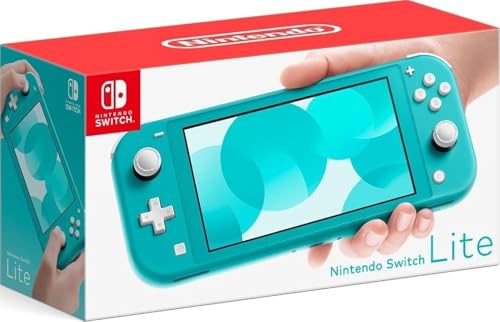
The Switch Lite is a dedicated handheld from Nintendo. It plays all Switch games that support handheld mode, including classic NES and SNES titles via Nintendo Switch Online. It is durable, has a great 5.5-inch screen, and battery life up to 7 hours. The main limitation is that it does not play physical Game Boy or N64 cartridges, and it cannot connect to a TV.
Pros
- Official Nintendo quality
- Huge game library
- Long battery life
Cons
- No TV output
- Limited to Nintendo ecosystem

Analogue Pocket
The Analogue Pocket is a premium handheld that plays original Game Boy, Game Boy Color, and Game Boy Advance cartridges perfectly. It also supports Game Gear and other systems via adapters. Its screen is razor-sharp with a high resolution and pixel-perfect mode. The price is high, and it is often hard to find in stock. Battery life is around 6 hours.
Pros
- Flawless cartridge compatibility
- Stunning display
- High-quality build
Cons
- Very expensive
- Limited to cartridge only
PowKiddy RGB30
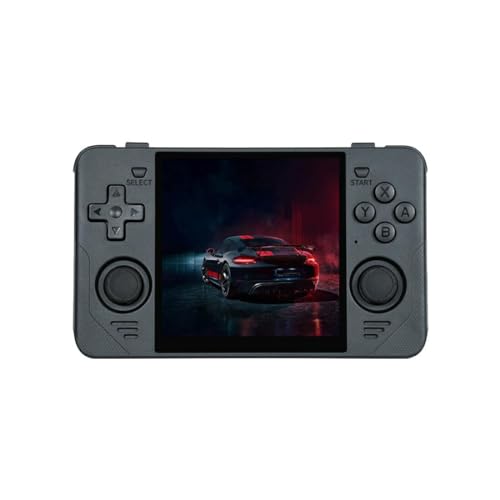
The PowKiddy RGB30 features a 4-inch square screen, perfect for Game Boy and other handheld systems. It runs on Linux and supports many emulators up to PlayStation 1. It is budget-friendly and has a comfortable grip. The screen is unique, but some users find the software slightly less polished than others. Battery life is around 5 hours.
Pros
- Good price
- Square screen for handheld games
- Comfortable to hold
Cons
- Software can be finicky
- Not as sleek as others

Retroid Pocket 4 Pro
The Retroid Pocket 4 Pro is a step up in power, capable of running some GameCube and PlayStation 2 games. It has a 4.7-inch screen and runs Android, offering flexibility. The battery lasts about 5 hours. It is more expensive and may require tweaking for demanding games, but for travelers who want to play a broader range of classics, it is a strong choice.
Pros
- High performance
- Android flexibility
- Good screen
Cons
- Pricey
- Battery drains faster with heavy games
Before you buy
How they compare
| # | Model | Screen | Best for | Score | Price |
|---|---|---|---|---|---|
| 1 | Anbernic RG35XX Plus | 3.5 inch IPS, 640×480 | Best overall for most travelers | 9.4 | Check price |
| 2 | Miyoo Mini Plus | 3 inch IPS, 640×480 | Best for pocketability and style | 9.1 | Check price |
| 3 | Retroid Pocket 3+ | 4.7 inch IPS, 1334×750 | Best for Android game library and ergonomics | 9.0 | Check price |
| 4 | Nintendo Switch Lite | 5.5 inch LCD, 1280×720 | Best for Nintendo classics and modern indie games | 9.2 | Check price |
| 5 | Analogue Pocket | 3.5 inch LTPS LCD, 1600×1440 | Best for authentic cartridge play and high-end display | 8.8 | Check price |
| 6 | PowKiddy RGB30 | 4 inch IPS, 720×720 | Best for retro gaming with a square screen | 8.5 | Check price |
| 7 | Retroid Pocket 4 Pro | 4.7 inch IPS, 1334×750 | Best for powerful performance and wider system support | 8.9 | Check price |
Frequently asked questions
Are these retro consoles legal to use?
Yes, the consoles themselves are legal. However, downloading ROMs of games you do not own is illegal in many countries. It is best to use ROMs of games you own physically, or use official services like Nintendo Switch Online for classic titles.
Do I need to be tech-savvy to set up these consoles?
Some consoles are easier than others. The Anbernic RG35XX Plus and Miyoo Mini Plus have user-friendly interfaces and require minimal setup. Android-based consoles like the Retroid Pocket 3+ require more configuration to install emulators and organize games. If you are not tech-savvy, choose a device with a simple out-of-box experience.
What is the best retro console for a child?
For a child, the Nintendo Switch Lite is a great choice because it has parental controls and a vast library of kid-friendly games. It is durable and has a long battery life. However, it is pricier. A budget option like the PowKiddy RGB30 could work, but you must manage the game content yourself.
Can I connect these retro consoles to a TV?
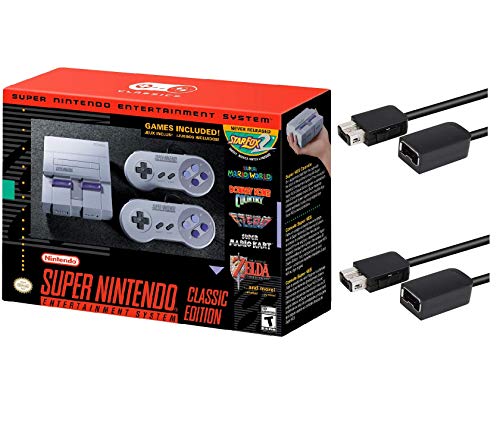
Most handhelds listed do not support TV output. The Anbernic RG35XX Plus and Retroid Pocket models lack HDMI. The Nintendo Switch Lite also cannot connect to a TV. If TV output is important, consider a non-lite Switch or a dedicated retro console like the Super Nintendo Classic Mini, but that is not portable.
How many games can I store on these devices?
Storage depends on the microSD card you use. Most devices support cards up to 512GB or more. Retro games are small, typically under 100MB, so a 64GB card can hold hundreds of games. Some devices have internal storage ranging from 16GB to 128GB, but you will likely want to add your own microSD for a larger library.
Which retro systems are typically supported?
Most devices support NES, SNES, Sega Genesis, Game Boy, Game Boy Color, Game Boy Advance, and PlayStation 1. More powerful devices like the Retroid Pocket 4 Pro can also run N64, Dreamcast, PSP, and even some GameCube and PS2 games. The Analogue Pocket focuses on handheld systems like Game Boy and Game Gear.
Are there any retro consoles with built-in games?
Some devices come with pre-loaded games, but the quality and legality are questionable. For example, some Anbernic models include a microSD with many ROMs, but these are often unlicensed. The Nintendo Switch Lite requires a subscription to Nintendo Switch Online to play NES and SNES games. The Analogue Pocket does not include games; you must use your own cartridges.
What is the difference between a retro console and a modern handheld?
A retro console is designed to play classic games from older systems, often using emulation. Modern handhelds like the Nintendo Switch play current games but also offer retro titles via online services. Retro consoles are typically cheaper and more specialized, but they lack modern features like online multiplayer and high-definition graphics.
Can I play multiplayer games on these consoles?
Some devices support multiplayer via local connection or link cable emulation, but it is not common. The Anbernic RG35XX Plus has no multiplayer support. Android devices might support Bluetooth controllers for multiplayer on the same device, but that requires additional setup. For multiplayer, the Nintendo Switch Lite is better because it supports local wireless play with other Switch owners.
How do I add games to these consoles?
You typically need to insert a microSD card into your computer, transfer ROM files to the appropriate folder, and then insert the card back into the console. Some devices have a USB connection for direct transfer. For Android devices, you can download emulators and ROMs directly from the internet using the device’s browser.
The bottom line
For most travelers, the Anbernic RG35XX Plus is the best choice because it combines a small size, good performance, and an affordable price. If you prefer a larger screen and are willing to spend more, the Retroid Pocket 3+ offers a comfortable grip and access to Android apps. The Nintendo Switch Lite is ideal for those who want official Nintendo quality and a robust game library. However, if you prioritize the widest range of playable systems and are willing to tinker, the Retroid Pocket 4 Pro is the most powerful. For pure portability, the Miyoo Mini Plus is unbeatable in size, but its small dimensions may not suit everyone. Ultimately, pick the one that fits your travel style and gaming preferences.