Ropes That Hold Fast: Top Picks for Every Task
For most people, the Sterling Rope 10mm Dynamic Climbing Rope is the top choice due to its excellent balance of durability, handling, and safety certifications, though it comes at a higher price point. If you need a versatile all-purpose rope for camping and utility work, the Yale Cordage Double Braid is a solid pick that offers strength and resistance to abrasion at a moderate cost.
Choosing the right rope can be a daunting task, whether you’re rigging a climbing anchor, securing a load, or mooring a boat. The market is flooded with options, each designed for specific uses and conditions. We’ve sifted through the specifications and owner reviews to bring you a selection that stands out for quality and reliability.
From dynamic ropes that absorb impact to static ropes that resist stretching, our list covers the essentials. We considered factors like material, diameter, and intended use to help you make an informed decision. Read on to find the perfect rope for your next adventure or project.
Our top picks

Sterling Rope 10mm Dynamic Climbing Rope
A high-quality dynamic rope with a smooth sheath and excellent handling. It meets UIAA standards and provides reliable performance for climbers. The 10mm diameter offers a good balance between durability and weight.
Pros
- Dynamic stretch absorbs falls effectively
- Durable sheath resists abrasion
- Smooth handling and knotability
Cons
- Heavier than thinner ropes
- Higher price point

Yale Cordage Double Braid Rope
A double-braided nylon rope that is strong, flexible, and resistant to UV and mildew. It works well for a variety of tasks, from setting up a tarp to towing a vehicle.
Pros
- High breaking strength
- Rot and mildew resistant
- Soft and easy to handle
Cons
- Can stretch under sustained load
- Not suitable for climbing
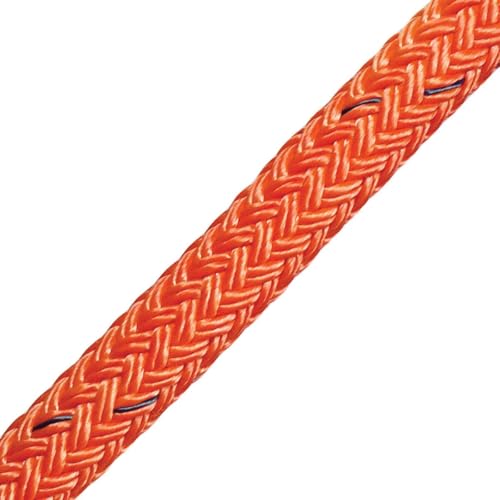
Samson ProSpect Marine Rope
A high-performance rope made from Dyneema and polyester, offering low stretch and high strength. It is designed for anchoring and mooring, with excellent resistance to UV and saltwater.
Pros
- Very low stretch
- High strength-to-weight ratio
- Floats on water
Cons
- Expensive
- Slippery when wet
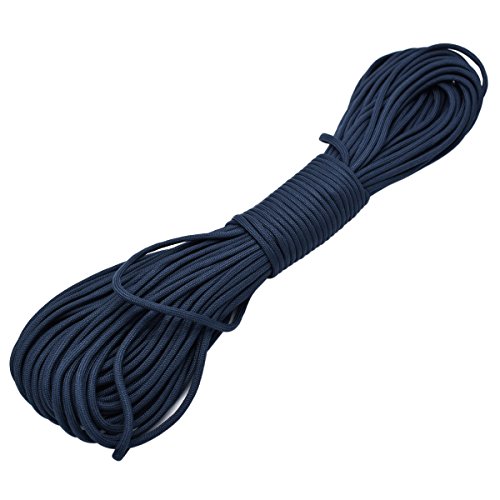
Blue Ridge 550 Paracord
A classic 550 paracord that is strong and lightweight. Ideal for making bracelets, lanyards, or emergency use. It comes in a variety of colors and is a favorite among outdoor enthusiasts.
Pros
- Lightweight and compact
- Versatile for many uses
- Low cost
Cons
- Not for heavy loads
- Stretches slightly

Kiwot Polyester Utility Rope
A braided polyester rope that is strong and resistant to abrasion. It is ideal for towing trailers, securing cargo, and other demanding tasks.
Pros
- Very high breaking strength
- Abrasion resistant
- Low stretch
Cons
- Stiff and less flexible
- Can be heavy to carry

Petzl Pur Line Static Rope
A low-stretch static rope designed for professional and recreational use. It offers excellent durability and handling for technical environments.
Pros
- Very low stretch for efficient ascending
- Durable and abrasion resistant
- Trusted brand in rope access
Cons
- Not for dynamic falls
- Pricey

Gear Aid 550 Paracord with Braided Core
A versatile paracord with a reflective tracer that aids visibility at night. Perfect for keychains, backpacks, and emergency kits.
Pros
- Reflective tracer for safety
- Quality construction
- Multiple color options
Cons
- Not for high-load applications
- Sheath can wear if heavily used
The lineup, side by side
| # | Model | Material | Best for | Score | Price |
|---|---|---|---|---|---|
| 1 | Sterling Rope 10mm Dynamic Climbing Rope | Nylon | Rock climbing and mountaineering | 9.4 | Check price |
| 2 | Yale Cordage Double Braid Rope | Nylon | General utility, camping, and towing | 9.0 | Check price |
| 3 | Samson ProSpect Marine Rope | Dyneema and Polyester | Boating and marine applications | 8.8 | Check price |
| 4 | Blue Ridge 550 Paracord | Nylon | Survival, crafting, and lightweight tasks | 8.5 | Check price |
| 5 | Kiwot Polyester Utility Rope | Polyester | Towing and securing heavy loads | 8.7 | Check price |
| 6 | Petzl Pur Line Static Rope | Polyamide | Caving, canyoning, and rope rescue | 8.6 | Check price |
| 7 | Gear Aid 550 Paracord with Braided Core | Nylon | Everyday carry and emergency preparedness | 8.3 | Check price |
Before you buy
Common questions
What is the difference between dynamic and static ropes?
Dynamic ropes are designed to stretch under load, which is crucial for absorbing the shock of a fall during climbing. Static ropes have very little stretch and are used for hauling, rigging, or rescue where minimal elongation is desired.
How do I choose the right rope diameter?
Consider the intended use. For climbing, a diameter between 9.5 and 10.5 mm is common, balancing strength and handling. For utility or towing, thicker ropes (1/2 inch or more) offer higher strength but are heavier. Thinner ropes are lighter and more flexible but have lower breaking strengths.
Can I use a utility rope for climbing?
No. Climbing requires a dynamic rope that can absorb impact energy. Utility ropes may not have the necessary stretch and can fail suddenly under the forces of a fall. Always use ropes certified for climbing (UIAA or CE) when engaging in climbing activities.
How long does a rope last?
Rope lifespan depends on usage, care, and exposure to elements. A regularly used climbing rope may last up to 5 years if properly maintained, but it should be retired immediately if it has sustained a hard fall or shows signs of damage. Utility ropes can last longer if stored away from UV and chemicals.
What is the best material for a rope that will be used in wet conditions?
Polyester is the best choice for wet environments because it absorbs very little water and maintains its strength when wet. Nylon, on the other hand, can lose up to 20% of its strength when soaked and takes longer to dry.
Can I splice a rope instead of tying knots?
Splicing is an excellent way to create a strong, permanent connection without reducing strength as much as knots do. However, splicing requires skill and specific techniques depending on the rope construction. If you are not experienced, it is safer to use knots or consult a professional.
How should I store my rope?
Store ropes loosely coiled or flaked in a cool, dry place, away from direct sunlight and chemicals. Avoid hanging them on sharp hooks that could damage the fibers. Use a rope bag to keep them clean and protected when not in use.
What does ‘breaking strength’ mean?
Breaking strength is the maximum load a rope can withstand before it fails. It is important to never exceed this limit. Always factor in a safety margin, typically using ropes at no more than 10% to 20% of their breaking strength for critical applications.
Our take
For most people, the Sterling Rope 10mm Dynamic Climbing Rope is the best overall choice, offering superior safety and performance for climbing. If you need a more budget-friendly, versatile option for general tasks, the Yale Cordage Double Braid Rope is an excellent alternative. Avoid using general-purpose ropes for climbing, and always match the rope to your specific activity.


