7 Rotary Hammers That Chew Through Concrete Fast
Bosch 11255VSR Bulldog Xtreme leads for mixed concrete work, delivering 2.4 foot pounds through an SDS-plus chuck across three modes. Milwaukee 2912-20 M18 Fuel tops the cordless field at 3.3 foot pounds. DeWalt DCH172B, at 6.1 pounds bare, suits overhead anchor drilling where weight matters most.
Bosch 11255VSR Bulldog Xtreme stays the reference corded pick for mixed concrete jobs. Milwaukee 2912-20 M18 Fuel matches its power without a cord. DeWalt DCH172B trades capacity for a lighter body you can hold overhead all day.
Shoppers often buy a hammer drill for a rotary hammer job, then wonder why the bit glazes over in cured concrete. Impact energy in foot pounds, not amp rating, predicts hole speed. We compared published impact energy, chuck standard, bit capacity, vibration control and weight, alongside recurring owner comments about chuck wear and dust ingress.
The top picks, ranked

Bosch 11255VSR Bulldog Xtreme
An 8 amp motor drives 2.4 foot pounds of impact energy through an SDS-plus chuck. Three modes cover rotary drilling, hammer drilling and chipping in one body. Vario-lock indexes the chisel across 36 positions for tight corners.
Pros
- Three modes cover drilling, hammer drilling and chipping
- Vario-lock chisel indexing helps in tight corners
- Replacement brushes and parts stay widely stocked
Cons
- A cord limits reach on ladders and scaffolding
- No active vibration damping built into the handle
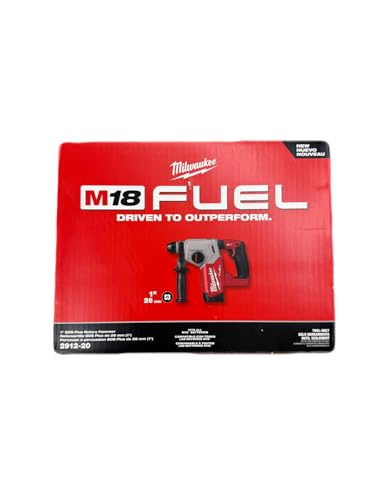
Milwaukee 2912-20 M18 Fuel
Milwaukee rates this tool at 3.3 foot pounds, ahead of most corded SDS-plus rivals. A mechanical clutch disengages fast when a bit catches rebar. Anti-vibration housing cuts felt shake during extended chipping runs.
Pros
- Highest impact energy among the models compared here
- Anti-vibration housing eases fatigue on long chipping jobs
- Clutch releases quickly when a bit binds in rebar
Cons
- Bare tool ships without an M18 battery or charger
- A high capacity battery pack adds noticeable weight

DeWalt DCH172B ATOMIC
At 6.1 pounds bare, electricians favor this compact 20V unit for ceiling anchor holes. Impact energy reaches 1.0 foot pounds, enough for quarter inch and three eighths inch anchors. A brushless motor keeps runtime steady on a compact battery pack.
Pros
- Light enough for sustained overhead drilling sessions
- Fits between joists where full size tools cannot
- Runs on existing DeWalt 20V MAX battery packs
Cons
- Output drops once holes exceed five eighths inch
- Chipping mode handles only light scaling work

Makita XRH01Z
This 18V LXT model accepts Makita’s matching HEPA dust extraction attachment for silica compliance on site. Impact energy sits at 2.0 foot pounds through an SDS-plus chuck. A torque limiting clutch stops the housing from spinning when a bit jams in rebar.
Pros
- Pairs with a dedicated HEPA dust extraction attachment
- Torque limiter reduces wrist injury risk on jams
- Balances well for one handed anchor drilling
Cons
- The dust extraction head is sold separately
- Hole rates trail the Milwaukee at 1 inch capacity

Metabo HPT DH28PCY
A 7 amp corded motor generates 2.8 foot pounds, enough to reach 1-1/8 inch holes in concrete. Reactive force control cuts power the instant the tool detects a sudden bind. Plumbers and installers use it for slab penetrations and block wall runs.
Pros
- Largest bit capacity among the SDS-plus tools here
- Reactive force control reduces kickback on binds
- Corded power avoids battery fade on long runs
Cons
- Heavier to carry than compact cordless units
- Needs a nearby outlet or generator on site

Bosch RH328VC
This 8 amp tool steps up to the SDS-max standard, delivering 5.4 foot pounds for breaking and heavy anchor work. Larger shanks resist the wobble that ends SDS-plus bits in big holes. Handle vibration control keeps long demolition sessions manageable.
Pros
- SDS-max shanks handle abuse SDS-plus bits cannot
- Handle vibration control eases fatigue on demolition
- Twelve chisel positions suit angled scaling work
Cons
- SDS-max bits cost more and stock less widely
- Bulk makes it impractical for small anchor holes

Ryobi PBLRH02B
Part of the ONE+ HP line, this brushless SDS-plus tool covers deck ledgers, masonry anchors and occasional tile removal. Impact energy of 1.1 foot pounds handles holes up to five eighths inch. Owners already running other Ryobi ONE+ tools reuse the same batteries.
Pros
- Shares batteries with a large ONE+ tool lineup
- Brushless motor suits a homeowner duty cycle
- Three mode selector includes a chisel setting
Cons
- Not built for daily production drilling
- Lowest impact energy among the cordless options here
The lineup, side by side
| # | Model | Impact energy | Best for | Score | Price |
|---|---|---|---|---|---|
| 1 | Bosch 11255VSR Bulldog Xtreme | 2.4 ft lbs | Best overall | 9.4 | Check price |
| 2 | Milwaukee 2912-20 M18 Fuel | 3.3 ft lbs | Best cordless | 9.2 | Check price |
| 3 | DeWalt DCH172B ATOMIC | 1.0 ft lbs | Best for overhead work | 9.0 | Check price |
| 4 | Makita XRH01Z | 2.0 ft lbs | Best for dust and silica control | 8.8 | Check price |
| 5 | Metabo HPT DH28PCY | 2.8 ft lbs | Best for larger diameter holes | 8.6 | Check price |
| 6 | Bosch RH328VC | 5.4 ft lbs | Best for demolition and heavy anchors | 8.3 | Check price |
| 7 | Ryobi PBLRH02B | 1.1 ft lbs | Best for occasional DIY use | 8.0 | Check price |
How to pick the right one
What is the difference between a hammer drill and a rotary hammer? A hammer drill vibrates a clutch plate against the chuck, producing many light taps. Piston and striker action replaces that in a rotary hammer, so each blow carries real energy measured in foot pounds. Cured concrete exposes the gap fast, since a hammer drill glazes the hole and stalls. Brick and mortar tolerate a hammer drill fine. Slab, block and rebar call for a rotary hammer instead.
How do you read impact energy and pick the right chuck size? Impact energy in foot pounds predicts hole speed better than amps or volts. Roughly 1.0 foot pounds covers quarter inch anchors without strain. Two to three foot pounds handles three quarter inch and one inch holes comfortably. Chuck standard follows that same capacity curve: SDS-plus spans about five eighths to one and one eighth inch, while SDS-max starts where SDS-plus shanks begin to fail. Bits from one standard never fit the other chuck.
Which rotary hammer works best for overhead and electrical anchor jobs? Weight decides this branch more than raw power. Anything past about 8 pounds turns punishing once held above shoulder height for a full day. DeWalt DCH172B, at 6.1 pounds, trades bit capacity for that endurance. Most overhead anchors run quarter inch or three eighths inch anyway, so the trade rarely costs a hole. Add a side handle when drilling into unknown material where rebar strikes become likely.
How do you manage silica dust and vibration on longer jobs? Drilling concrete releases respirable crystalline silica, and OSHA Table 1 expects dust capture at the bit. Makita, Bosch and Milwaukee each sell shroud attachments that clip onto the tool and connect to a HEPA vacuum. Vibration adds a second cumulative risk over a full shift. Anti-vibration handles cut fatigue, and a torque limiting clutch softens the wrist wrench that happens when a bit catches steel. Both features matter more on daily production sites than on occasional weekend jobs.
Questions worth asking
What is the best rotary hammer for concrete drilling?
Bosch 11255VSR Bulldog Xtreme covers the widest range of concrete jobs, with 2.4 foot pounds and three selectable modes. Milwaukee 2912-20 delivers more raw power at 3.3 foot pounds, without a cord to manage.
Is SDS-plus or SDS-max the better chuck standard?
SDS-plus fits holes up to roughly one and one eighth inch and keeps the tool light. SDS-max starts near one and one half inch and survives repeated demolition abuse. Choose SDS-plus for anchors and pass throughs, SDS-max for breaking work.
Can a rotary hammer work as a regular drill?
Most models include a rotation only mode for this. Bosch 11255VSR and Ryobi PBLRH02B both offer it, and an SDS to keyed chuck adapter accepts round shank bits. Speed stays low, so treat it as a backup rather than a primary drill.
How much impact energy do rotary hammers need for anchor bolts?
Quarter inch and three eighths inch anchors set comfortably around 1.0 foot pounds. Half inch wedge anchors go faster above 2.0 foot pounds. Anything past three quarter inch benefits from 2.5 foot pounds or more.
Do rotary hammers cut through rebar?
Standard carbide bits chip against rebar and often bind instead of cutting through. A dedicated rebar cutter bit, or simply repositioning the hole, avoids the problem. Tools with a torque limiting clutch, like the Makita XRH01Z, lower wrist injury risk when a bit does catch steel.
Should you buy a corded or cordless rotary hammer?
Corded models hold steady output through long production runs and cost less per foot pound of impact energy. Cordless suits scattered holes, ladder work and sites without nearby power. Milwaukee 2912-20 has closed most of the output gap between the two.
How do you control silica dust when drilling concrete indoors?
Fit a dust shroud attachment to the tool and connect a HEPA rated vacuum before starting. Makita XRH01Z pairs with a purpose built extractor head for this. Wet drilling works outdoors as an alternative, though it leaves a slurry mess indoors.
What is a good rotary hammer for a homeowner or occasional DIY job?
Ryobi PBLRH02B fits deck ledgers, fence posts and occasional masonry anchors, especially for owners who already run ONE+ batteries. Step up to the Bosch Bulldog once concrete work becomes a regular rather than occasional task.
Which rotary hammer is best for demolition or breaking concrete?
Bosch RH328VC moves up to the SDS-max standard and delivers 5.4 foot pounds, well past what SDS-plus tools produce. Its larger shanks resist wobble during extended breaking work. Reach for it once jobs involve chipping slab rather than drilling anchor holes.
The verdict
Bosch 11255VSR Bulldog Xtreme stays the default choice for anyone drilling concrete on a regular basis, with three modes and enough energy for one inch holes. Milwaukee 2912-20 makes sense once a cord becomes impractical, since 3.3 foot pounds matches or beats most corded rivals. Reach for DeWalt DCH172B only when overhead anchors dominate the work and weight matters more than raw capacity.


