Recovery Tools Runners Reach For After Hard Miles
The Therabody Theragun Prime delivers the most targeted relief for stubborn calves and glutes. The TriggerPoint GRID Foam Roller remains the tool most runners use every day, and the Hyperice Normatec 3 compression boots are the choice for heavy training loads.
The Therabody Theragun Prime is the recovery tool that solves the most specific problems, with the TriggerPoint GRID Foam Roller as the daily workhorse and the Hyperice Normatec 3 for runners in heavy training blocks. Cheaper options such as a massage ball still cover a lot of ground.
Recovery gear is tricky because the tools that feel most impressive are not always the ones you use consistently, and consistency is what matters. We compared pressure delivery, reachable areas, session time and portability, alongside what owners report about which tools stay in use months after purchase.
What matters most
Consistency beats intensity The tool you use for ten minutes daily does more than the one you use hard once a fortnight. That is why a foam roller often outperforms an expensive device in practice: it sits by the sofa and requires no setup. Choose based on what fits your routine rather than on which technology sounds most advanced.
Different tools reach different tissue Foam rollers cover large areas such as quads and calves. Massage balls apply pinpoint pressure into glutes and around the shoulder blade. Percussion devices work deeper into dense muscle without you having to control body weight. Compression boots move fluid through the whole leg passively. Most runners end up with two or three rather than one.
Timing changes what recovery does Light rolling or percussion before a run helps mobility and warms tissue. Heavy deep work immediately after a hard session can add to the load rather than relieve it. Owners report the most useful pattern is gentle work soon after running and deeper work on easy or rest days, when the tissue is not already irritated.
Recovery tools do not replace sleep and food Every tool here helps at the margins. Sleep, adequate protein and sensible training progression do the actual work of recovery, and no device compensates for a training plan that ramps mileage too quickly. Treat these as aids to comfort and mobility, and see a physiotherapist for pain that persists beyond a few days.
The top picks, ranked
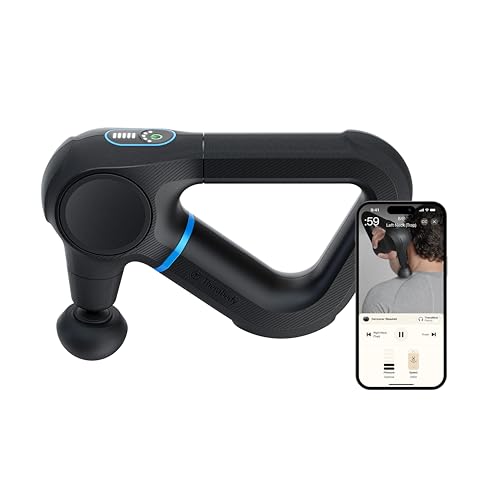
Therabody Theragun Prime
Percussive therapy reaches deeper into calves, glutes and quads than rolling does, and the Prime keeps the useful features without the outlay of the Pro. The triangular handle lets you reach your own back and hamstrings without contorting. Five speeds and four attachments cover everything from light flushing to focused trigger point work.
Pros
- Reaches deep into stubborn muscle groups
- Handle design makes self treatment easy
- Quieter than earlier percussion devices
Cons
- Heavier than compact massage guns
- Overuse on sore tissue can aggravate it

TriggerPoint GRID Foam Roller
The multi density surface gives varied pressure across the roll, which works better than a uniform foam cylinder for calves and IT band work. The hollow core keeps its shape long after cheap rollers have flattened. It remains the tool most runners actually use daily, because there is nothing to charge or set up.
Pros
- Holds firmness for years
- Varied surface targets different tissue
- No charging or setup required
Cons
- Requires floor space and body weight control
- Hard to target small areas precisely

Hyperice Normatec 3 Legs
Sequential compression boots inflate in zones from foot to hip, which many runners find leaves legs feeling fresher the following morning. The real advantage is passive use, since you sit still for twenty minutes rather than working on yourself. It is the most expensive approach here and the least portable.
Pros
- Completely passive recovery session
- Covers the whole leg evenly
- Popular with high mileage runners
Cons
- Bulky and hard to travel with
- Significant outlay compared with rollers
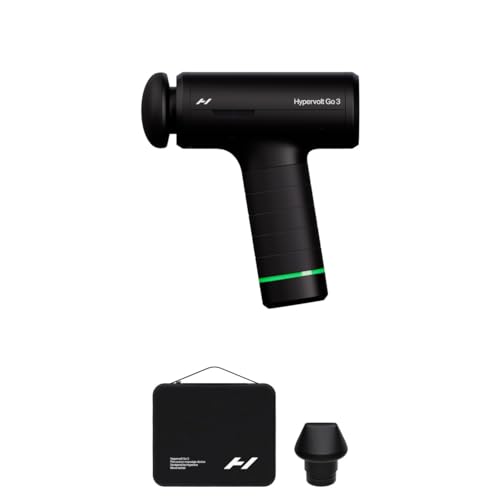
Hyperice Hypervolt Go 2
Small enough to live in a race bag, which is exactly when runners most want percussion on a tight calf. Three speeds and a genuinely quiet motor mean it can be used in a hotel room or before a race without drawing attention. Less force than a full sized gun, but it covers the common problem areas well.
Pros
- Packs into a race bag easily
- Very quiet in use
- Long battery life for its size
Cons
- Less depth than a full size gun
- Only two attachments included

Roll Recovery R8 Plus
The spring loaded frame clamps around a calf, quad or hamstring and applies pressure from both sides, so you are not fighting gravity the way you do on a roller. That makes it much easier to work on your own legs while seated. It only fits limbs, so back and glute work needs a different tool.
Pros
- Even pressure from both sides
- Easy to use while seated
- Fast targeted sessions
Cons
- Limited to limbs
- Fixed pressure may be intense at first

TriggerPoint MB5 Massage Ball
A firm five inch ball that reaches glutes, hip flexors and the area around the shoulder blade where a roller cannot apply pressure precisely. It costs a fraction of the powered tools and takes almost no storage space. It demands more effort from you, since you control the pressure through body position.
Pros
- Reaches areas a roller misses
- Very low outlay
- Small enough to travel with
Cons
- Pressure can be intense on sensitive areas
- Requires more effort to position

Physix Gear Compression Socks
Graduated compression socks are the cheapest recovery option that runners actually stick with, mainly because you put them on and forget about them. They are commonly worn after long runs and on travel days when sitting for hours. Effects are subtle compared with active tools, and getting them on takes some effort.
Pros
- Passive, requires no session time
- Useful on long travel days
- Low outlay and easy to own several pairs
Cons
- Difficult to pull on initially
- Benefits are subtle rather than dramatic
How they compare
| # | Model | Speeds | Best for | Score | Price |
|---|---|---|---|---|---|
| 1 | Therabody Theragun Prime | 5 settings | Best overall | 9.4 | Check price |
| 2 | TriggerPoint GRID Foam Roller | 13 inch standard | Best value | 9.2 | Check price |
| 3 | Hyperice Normatec 3 Legs | 5 sequential zones per leg | Best for heavy training loads | 9.0 | Check price |
| 4 | Hyperice Hypervolt Go 2 | About 1.5 pounds | Best portable massage gun | 8.8 | Check price |
| 5 | Roll Recovery R8 Plus | Spring loaded clamping frame | Best for targeted leg work | 8.6 | Check price |
| 6 | TriggerPoint MB5 Massage Ball | 5 inch | Best budget | 8.3 | Check price |
| 7 | Physix Gear Compression Socks | 20 to 30 mmHg graduated | Best for post run circulation | 8.0 | Check price |
Good to know
Do massage guns actually help recovery?
They reliably reduce the sensation of muscle tightness and improve short term range of motion, which most runners find useful. Evidence for accelerating actual tissue repair is thinner, so treat them as a comfort and mobility tool rather than a shortcut.
Should I foam roll before or after running?
Light rolling before a run helps mobility, and gentle rolling afterwards feels good. Save deeper, more painful work for easy days, since aggressive rolling on already inflamed tissue can prolong soreness.
Are compression boots worth it for amateur runners?
For high mileage training blocks they are a genuinely pleasant passive recovery session. For runners doing a few sessions a week, a foam roller and good sleep deliver most of the benefit for a fraction of the outlay.
How long should a recovery session be?
Ten to fifteen minutes covering the main running muscles is plenty for rolling or percussion. Compression boot sessions usually run twenty to thirty minutes. Longer is not necessarily better, particularly with deep pressure.
Can I use a massage gun on my shins?
Be careful. Percussion directly over bone or over a suspected stress fracture is a bad idea. Work the calf and the muscle either side of the shin instead, and stop if pain is sharp or localised to bone.
Do compression socks help after running?
Many runners report legs feeling fresher, particularly after long runs and on travel days when sitting for hours. The research is mixed on performance benefit, but the comfort effect is consistently reported.
What is the difference between a foam roller and a massage ball?
A roller covers large muscle groups using your body weight. A ball concentrates pressure into a small area, which is how you reach glutes, hip flexors and the sole of the foot where a roller cannot apply focused pressure.
When should I see a professional instead?
If pain is sharp, localised, worsening, or persists beyond a few days of reduced running, stop self treating and see a physiotherapist or doctor. Recovery tools help tight tissue, not injuries.
The verdict
The Therabody Theragun Prime is the most capable single tool here, reaching deep into the calves and glutes that give runners the most trouble. The TriggerPoint GRID Foam Roller is the one most runners will use daily and represents better value, while the Hyperice Normatec 3 makes sense once training volume climbs.


