Sandboxes in Bulk: Top Picks for Groups and Schools
For most group settings, the Step2 Naturally Playful Sand Table is the top pick. It offers a raised design that is easy for toddlers to reach, and it comes with a lid and accessories. Its main limitation is the smaller sand capacity, which might not suit larger groups.
When you need a sandbox for a daycare, school, or community park, buying in bulk can save money and ensure consistency. But not all sandboxes are equal. Some are too small, others are hard to clean, and safety matters more when many kids are involved.
This guide compares seven sandboxes that are commonly purchased in bulk. We looked at size, material, cover quality, and how easy they are to maintain. We also considered ratings from parents and teachers who manage group play areas.
How to choose
The best picks, ranked

Step2 Naturally Playful Sand Table
This raised table brings sand to a comfortable height for little ones. It includes a canopy and a lid to keep sand clean. The molded plastic is durable and easy to wipe down.
Pros
- Raised design reduces back strain for adults
- Canopy provides shade
- Lid keeps sand dry and clean
Cons
- Lower sand capacity
- Accessories may be lost

Kinetic Sand Sandbox Set
This set includes a foldable sandbox and 2 lbs of kinetic sand. It is designed for indoor use and offers a contained play space. Kinetic sand is easy to clean and does not dry out.
Pros
- Perfect for classrooms
- Sand is mess-free
- Portable and easy to store
Cons
- Not for outdoor use
- Small capacity
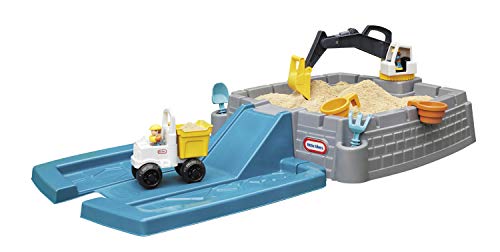
Sunny Patch Dirt Diggers Sandbox
This turtle-shaped sandbox is made from heavy-duty plastic. It includes a mesh cover to keep leaves and animals out. The design appeals to kids and fits into most backyards.
Pros
- Large capacity
- Built-in seats
- Cover is easy to put on
Cons
- Cover may tear if not handled carefully
- No bottom; sand spills out

Sand & Water Table by Little Tikes
This table features two basins: one for sand and one for water. It comes with a lid that converts the table into a flat surface. It is sturdy and promotes sensory development.
Pros
- Two play options
- Easy to clean
- Lid prevents debris
Cons
- Requires more assembly
- Sand and water mixing can be messy

Sandbox by KidKraft
This wooden sandbox features a bench seat and a canopy. Made from cedar, it resists rot and insects. The natural look blends with outdoor surroundings.
Pros
- Beautiful design
- Bench seats for comfort
- Durable wood
Cons
- Requires regular staining
- No cover; use separate tarp
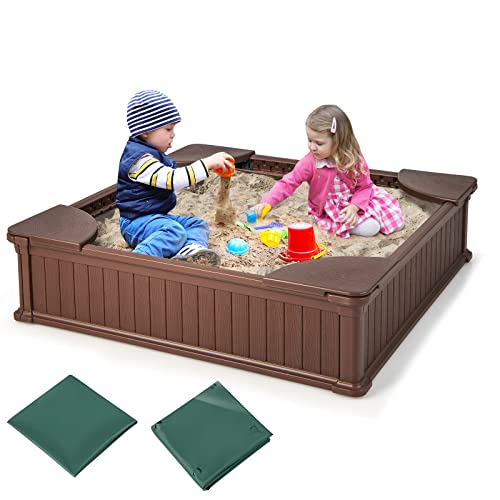
Sandbox with Cover by Costzon
This extra-large sandbox is octagonal and can hold up to 440 lbs of sand. It comes with a removable cover and a bottom sheet to prevent weeds. The plastic panels are UV resistant.
Pros
- Spacious for many kids
- Bottom sheet keeps ground clean
- Cover included
Cons
- Assembly takes time
- Panels may bend if overfilled

Sandbox by Little Tikes
This classic sandbox is made from durable plastic and features a protective cover. It is easy to assemble and lightweight enough to move. It is a staple for many preschools.
Pros
- Affordable for bulk purchases
- Lightweight and portable
- Cover protects sand
Cons
- Smaller capacity
- Not as sturdy as other models
How they stack up
| # | Model | Capacity | Best for | Score | Price |
|---|---|---|---|---|---|
| 1 | Step2 Naturally Playful Sand Table | Up to 50 lbs of sand | Toddlers and small groups | 9.4 | Check price |
| 2 | Kinetic Sand Sandbox Set | 2 lbs of sand included | Indoor sensory play | 9.0 | Check price |
| 3 | Sunny Patch Dirt Diggers Sandbox | Up to 300 lbs of sand | Outdoor play with lid | 8.8 | Check price |
| 4 | Sand & Water Table by Little Tikes | Up to 50 lbs of sand per basin | Versatile play | 8.6 | Check price |
| 5 | Sandbox by KidKraft | Up to 400 lbs of sand | Traditional wooden look | 8.4 | Check price |
| 6 | Sandbox with Cover by Costzon | Up to 440 lbs of sand | Large groups | 8.2 | Check price |
| 7 | Sandbox by Little Tikes | Up to 150 lbs of sand | Classic plastic sandbox | 8.0 | Check price |
Good to know
What is the ideal sandbox size for a daycare center?
For a daycare, consider a sandbox that is at least 4 feet by 4 feet. That allows 2 to 4 children to play comfortably. If you have more children, you may need multiple sandboxes or a larger one like the Costzon octagonal model.
Can I use regular play sand from a hardware store?
Yes, but ensure it is labeled as play sand and free of silica dust. Play sand is washed and screened to remove rocks and debris. It is sold at most home improvement stores in 50 lb bags.
How much sand do I need to fill a sandbox?
Check the product specifications for the sand capacity. For example, a sandbox with a 300 lb capacity needs about 300 lbs of sand. That is roughly six 50 lb bags. You can also fill it to a lower depth for smaller children.
Are sandboxes safe for toddlers?
Yes, but supervision is key. Choose a sandbox with low sides and no sharp edges. Also, ensure the sand is kept clean and free of animal waste. For toddlers, a raised sand table like the Step2 is often easier to use.
How do I keep a sandbox clean?
Cover it when not in use. Rake the sand regularly to remove debris. You can also sift the sand using a colander. If the sand gets contaminated, replace it. Always wash children’s hands after playing.
What is the best material for an outdoor sandbox?
Plastic is low maintenance and resists rot, but it can crack in extreme cold. Wood looks natural but requires sealing. Cedar is naturally rot-resistant. Choose based on your climate and aesthetic preference.
Can sandboxes be used indoors?
Yes, with proper containment. Indoor sandboxes should have a tray or be used with kinetic sand to minimize mess. The Kinetic Sand Sandbox Set is designed for indoor use and is easy to clean up.
Do I need a sandbox cover?
A cover is highly recommended to protect the sand from rain, animals, and leaves. Many sandboxes come with covers, but if not, you can purchase a tarp and secure it with bungee cords.
How long do sandboxes last?
With proper care, a plastic sandbox can last 5 to 10 years. Wooden sandboxes may last longer if treated and sealed. The sand itself should be replaced every 1 to 2 years, depending on use.
Are there any safety certifications for sandboxes?
Look for ASTM or CPSIA compliance. These ensure the product meets safety standards for lead paint, sharp edges, and other hazards. Many major brands like Step2 and Little Tikes are compliant.
Our take
For most group settings, the Step2 Naturally Playful Sand Table is the best overall choice. It is safe for toddlers, easy to clean, and comes with a cover. If you need a larger capacity for older kids, the Costzon sandbox with cover is a great alternative. For indoor use, the Kinetic Sand set is ideal. Ultimately, consider your space and the age of the children to make the right decision.


