Replacing a Serpentine Belt? Start With These
Gates Micro-V leads for grip and longevity across most engines. Continental Elite delivers OE-grade rubber at a friendlier price, and ACDelco Professional is the safest match for GM vehicles because it is engineered to factory specifications.
Gates Micro-V wins on grip and longevity for a dependable replacement. Continental Elite brings OE-grade rubber to the aftermarket at better value, and ACDelco Professional is the obvious pick for GM engines. Whichever brand you choose, match the exact part number to your vehicle first.
Fitment makes this category tricky, since belt length and rib count are size specific and even a slightly wrong belt will slip, squeal or throw. We compared these brands on published specifications and the durability owners report, weighing rubber compound, rib grip and crack resistance rather than any single part number that may not fit your car.
How to pick the right one
Fitment comes before brand every time A serpentine belt is sized to the exact routing of one engine, so even the best brand fails if length or rib count is wrong. Look up your vehicle’s specific part number and confirm rib count and length before ordering. A belt even slightly off will slip, squeal or jump off the pulleys entirely.
Rubber compound is what drives lifespan Modern EPDM compounds resist cracking and glazing far longer than older neoprene rubber did. Higher grade compounds hold up better to underhood heat and keep their grip over time, which is why premium belts from OE suppliers tend to outlast the cheapest options on the shelf.
How belt brand differs from engine to engine GM, Ford and import automakers each source belts from different suppliers, and matching brand to origin often means matching factory-aligned specs. ACDelco tends to fit GM engines directly, Motorcraft suits Ford applications, and Bando covers many import engines closely. A universal fit brand like Gates or Continental works broadly, but checking the part number still matters more than the badge.
Know the signs of a belt near the end of its life Cracks across the ribs, glazing on the back, fraying edges or a squeal on startup all signal a belt approaching failure. Since the serpentine belt drives the alternator, water pump and steering, replacing it before it snaps avoids getting stranded. Inspect and replace the tensioner and idler pulleys at the same time if they show wear, since a weak tensioner will chew through even a premium belt.
The top picks, ranked

Gates Micro-V Serpentine Belt
Gates supplies original equipment belts to many automakers, and the Micro-V line uses an EPDM rubber compound built to resist heat and cracking. A precise rib profile grips pulleys firmly, cutting slip and squeal that cheaper belts allow. Owners consistently report long, quiet service life once the belt is installed correctly.
Pros
- Original equipment quality
- Crack resistant EPDM compound
- Firm grip resists squeal
Cons
- Priced above budget belts
- Must verify exact part number

Continental Elite Serpentine Belt
Continental builds belts for automakers directly, and the Elite line brings that same OE-grade rubber to the aftermarket at a fairer price. Heat resistant compound pairs with precision cut ribs for consistent tracking. It suits owners chasing quality without paying a top tier premium.
Pros
- OE-grade rubber for less
- Consistent rib tracking
- Wide application coverage
Cons
- Branding less known than Gates
- Availability varies by size
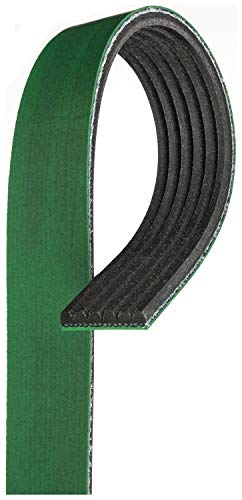
ACDelco Professional Serpentine Belt
As GM’s own parts brand, ACDelco Professional engineers these belts to factory specifications, so fitment on many GM engines is straightforward. Molded rib construction resists wear and holds tension steadily over time. Owners of GM cars and trucks value the confident, direct-fit sizing this brand offers.
Pros
- Factory-aligned GM fitment
- Steady tension in service
- Widely stocked
Cons
- Best value on GM applications specifically
- Verify size carefully on non-GM cars

Dayco Poly Rib Serpentine Belt
Lower price makes this a sensible choice for older vehicles or short-term repairs, without sacrificing basic reliability. Poly rib construction grips well and the rubber tolerates normal underhood heat. Owners report solid life for the money on everyday commuter cars.
Pros
- Affordable replacement
- Reliable everyday grip
- Wide size range
Cons
- Compound less premium than Gates
- May wear sooner under extreme heat

Goodyear Gatorback Serpentine Belt
A distinctive molded rib pattern grips pulleys tightly and runs cool and quiet compared with flatter designs. Flexible compound bends around tight pulley routing without cracking early. Owners chasing a squeal on damp mornings often find this belt quiets the noise down for good.
Pros
- Strong pulley grip
- Runs quiet when wet
- Flexible for tight routing
Cons
- Availability varies by retailer
- Priced near premium belts

Bando Serpentine Belt
Bando supplies original equipment belts to several import automakers, so its aftermarket belts often match factory specs closely. Heat resistant rubber and clean tracking ribs suit import engines particularly well. Owners of Japanese and Korean vehicles frequently describe it as a near-OE fit.
Pros
- OE supplier for imports
- Close factory fit
- Good heat resistance
Cons
- Narrower domestic coverage
- Less common on store shelves

Motorcraft Serpentine Belt
Ford’s own parts line builds these belts specifically for Ford and Lincoln applications, which simplifies fitment considerably. Rib construction holds tension well across the full accessory drive. Owners of Ford vehicles cite direct-fit confidence and steady long term performance.
Pros
- Factory-aligned Ford fitment
- Holds tension well
- Direct-fit confidence
Cons
- Best value on Ford applications specifically
- Verify size carefully on other makes
Side by side
| # | Model | Compound | Best for | Score | Price |
|---|---|---|---|---|---|
| 1 | Gates Micro-V Serpentine Belt | EPDM rubber | Best overall | 9.4 | Check price |
| 2 | Continental Elite Serpentine Belt | OE grade rubber | Best value | 9.1 | Check price |
| 3 | ACDelco Professional Serpentine Belt | Molded rubber | Best for GM vehicles | 9.0 | Check price |
| 4 | Dayco Poly Rib Serpentine Belt | Poly rib rubber | Best budget | 8.6 | Check price |
| 5 | Goodyear Gatorback Serpentine Belt | Flexible molded rubber | Best for grip | 8.5 | Check price |
| 6 | Bando Serpentine Belt | Heat resistant rubber | Best OE alternative | 8.3 | Check price |
| 7 | Motorcraft Serpentine Belt | Molded rubber | Best for Ford vehicles | 8.1 | Check price |
Questions worth asking
How do I know which serpentine belt fits my car?
Look up your exact year, make, model and engine, then match the part number, rib count and length. Measuring the old belt or reading its printed number is the surest way to confirm correct fit before ordering a replacement.
How long does a serpentine belt typically last?
Many modern EPDM belts last well over sixty thousand miles, though heat, tension and pulley condition all affect the exact figure. Inspect it periodically and replace it at the first sign of cracking or glazing rather than waiting for failure.
What causes a serpentine belt to squeal?
Squealing usually comes from slip, which can trace back to a glazed or worn belt, a weak tensioner or a misaligned pulley. A belt with strong rib grip helps, but check the tensioner if the noise returns soon after a fresh belt.
Should I replace the tensioner along with the belt?
If the tensioner or idler pulleys show wear, replacing them alongside the belt is wise, since a weak tensioner shortens belt life significantly. On higher mileage engines, many owners replace all three together.
Are premium serpentine belts worth the extra cost?
For most drivers, yes: a premium OE-grade belt lasts longer and stays quieter, which offsets a small price difference over its lifespan. Budget belts remain a reasonable choice for older vehicles or short-term fixes.
Can I replace a serpentine belt myself?
Many belts can be swapped with a single wrench on the tensioner and a printed routing diagram from under the hood. Photograph the routing before removal so the new belt threads back correctly on the first try.
What happens if a serpentine belt breaks while driving?
A broken belt stops the alternator, water pump and power steering at once, which can overheat the engine and drain the battery quickly. Replacing a worn belt early avoids the risk of getting stranded mid-drive.
Does belt brand actually affect engine performance?
A properly sized quality belt keeps accessories turning at the right speed with minimal slip, supporting steady charging and cooling. The main gains from a good belt are reliability and quiet operation, not measurable horsepower.
Gates vs Continental: which serpentine belt should I buy?
Gates Micro-V edges ahead on outright grip and proven longevity across a wide range of engines. Continental Elite offers very similar OE-grade rubber for less, making it the better pick if budget matters as much as performance.
Is a dealer brand belt like ACDelco or Motorcraft necessary?
Not strictly, since aftermarket brands like Gates and Continental meet or exceed factory specs on most engines. Dealer branded belts like ACDelco and Motorcraft do simplify fitment confidence on their matching GM or Ford vehicles specifically.
Our take
Gates Micro-V remains the safest all-round bet for grip and longevity across most engines. Continental Elite delivers OE-grade rubber at a friendlier price for budget-conscious buyers, and ACDelco Professional is the easy call for GM owners specifically. Whichever brand you choose, confirm the exact part number for your engine first, since correct fitment matters more than any badge on the belt.

