Sewing Machines Beginners Can Actually Learn On
Brother CS7000X leads this comparison, pairing 70 stitches with an automatic threader and a wide table for growing skills. Brother XM2701 offers the same threading ease on a simpler dial for less money. SINGER Start 1304 strips controls down to six stitches for the simplest possible start.
New sewers tend to do best on the Brother CS7000X, a computerized machine with 70 stitches and a threader that removes the fiddliest first step. Brother XM2701 delivers similar ease through a simple dial rather than a menu, at a lower cost. SINGER Start 1304 suits anyone who wants the fewest buttons possible before committing further.
Stitch counts fill most marketing copy, yet threading difficulty and bobbin jams are what actually stall new sewers within a week. We compared manufacturer specifications, bundled accessories, published manuals and long running owner feedback across each listing. Machines were then ranked by how quickly a first time user reaches a clean straight seam without outside help.
What to look for
What makes a first sewing machine easy to learn on Threading trips up more beginners than any spec sheet reveals. Feeding thread through a tiny needle eye, winding a bobbin correctly and clearing a jammed thread nest under the fabric account for most early quitting. An automatic threader paired with a top loading bobbin fixes both problems at once. Choose the machine that threads faster over the one with more decorative stitches.
How many stitches does a beginner actually use Straight stitch, zigzag and a buttonhole handle roughly nine out of ten home projects. Twelve well formed stitches on a mechanical machine often outperform two hundred stitches that skip on thick seams. Check instead whether the buttonhole is one step, whether width and length adjust, and whether feed dogs drop for free motion work later.
Which machine handles denim and other thick fabric Lightweight plastic machines run smoothly on cotton and quilting fabric but stall on stacked denim or upholstery. Anyone planning jeans hems, tote bags or curtains should prioritize a metal internal frame and a high presser foot lift. Sewers focused on dress fabric and knits get more value from a lighter, easier to store machine instead.
What accessories and support matter for new sewers Extra presser feet, a walking foot, a wide table and spare bobbins add real cost when bought separately from a bundle. Clear manuals, official video tutorials and available local servicing shape the first year as much as the hardware does. Confirm that replacement needles and bobbins for a specific model are common, not proprietary to one brand.
The shortlist, ranked
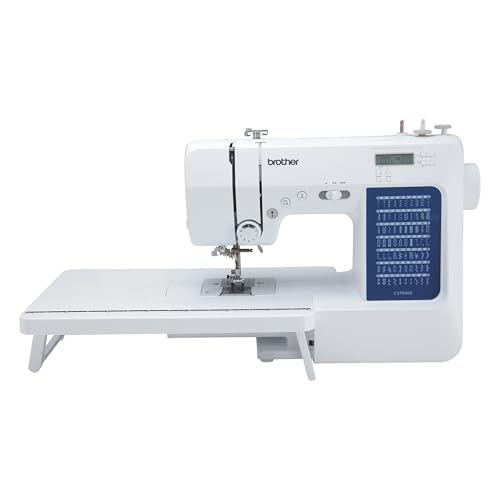
Brother CS7000X Computerized Sewing and Quilting Machine
This computerized machine offers 70 built in stitches, more than most beginners use for years. An automatic needle threader and a top loading drop in bobbin remove the two biggest sources of early frustration. Owners report the printed stitch guide on the lid cuts down on manual flipping during first projects.
Pros
- Stitch range covers garments and quilting alike
- Automatic threader removes a common beginner obstacle
- Wide table ships included rather than sold separately
Cons
- Mostly plastic housing feels light on thick denim
- Digital menu needs a session or two to learn

Brother XM2701 Lightweight Sewing Machine
A single dial selects each stitch here instead of a digital menu, which suits sewers who find screens distracting. The automatic needle threader and drop in bobbin from the pricier CS7000X carry over at a lower cost. Owners report it handles cotton, quilting fabric and light mending without hesitation, backed by six included presser feet.
Pros
- Dial control feels intuitive from the first seam
- Light enough to carry between rooms or classes
- Six foot accessory set covers buttonholes and zippers
Cons
- Motor strains on heavy canvas or multiple denim layers
- Stitch library shrinks once skills grow

SINGER Heavy Duty 4423 Sewing Machine
Denim, canvas and curtain hems ask more of a motor than stitch variety does, and this model answers with a metal internal frame. Stitch speed reaches 1,100 stitches per minute, which keeps seams moving through multiple layers. Owners report it runs louder than plastic bodied rivals but rarely stalls mid seam.
Pros
- Powers through denim and upholstery weight fabric
- Metal frame keeps the machine steady at speed
- Fast stitch rate suits long straight seams
Cons
- Runs noticeably louder than lightweight models
- Decorative stitch selection trails computerized rivals
SINGER Start 1304 Sewing Machine
Six basic stitches and a single dial keep this machine focused on one goal, a confident straight seam. Its light frame suits a small apartment, a dorm room or a first time teenage sewer. Owners report it fits hems, cushion covers and school projects rather than serious garment construction.
Pros
- Few enough controls to avoid early mistakes
- Light frame carries and stores with ease
- Lowest entry cost into the hobby
Cons
- Needle threading is manual, not automatic
- Bogs down past a couple of denim layers
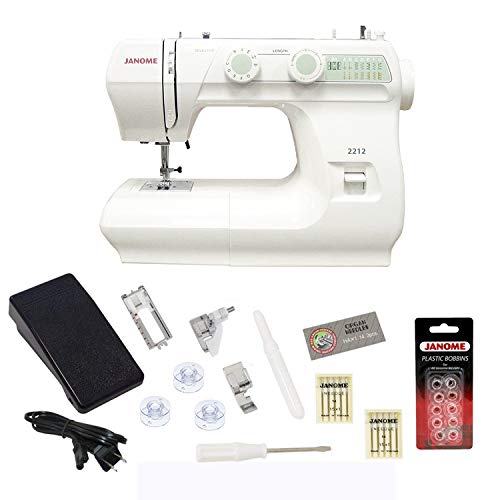
Janome 2212 Sewing Machine
Janome built its reputation on feed quality, and the 2212 shows it through even fabric movement at low speed. Only 12 stitches are on board, but each one forms cleanly, which matters more while learning tension. Owners report quilting instructors recommend it often to students who want dependable basics.
Pros
- Feed system produces consistent stitch quality
- Slow speed control suits hands still learning
- Established brand with wide service network
Cons
- No automatic needle threader included
- Decorative stitch range stays limited
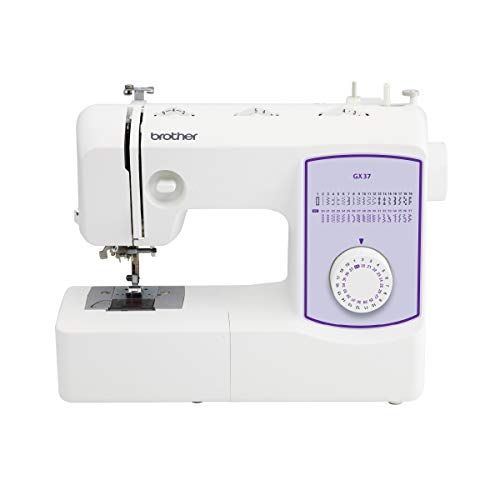
Brother GX37 Sewing Machine
Sitting between the XM2701 and the computerized models, the GX37 pairs 37 stitches with the same dial control and automatic threader. Some listings bundle a hard case, useful for classes or shared sewing spaces. Owners report it suits alterations, kids clothing and small home projects rather than heavy repeat use.
Pros
- Wider stitch range than entry mechanical rivals
- Dial operation skips confusing menus entirely
- Compact size stores easily between projects
Cons
- Light body can shift on the table at speed
- Bobbin cover feels fragile under regular use

Brother ST150HDH Strong and Tough Sewing Machine
Backpack repairs, workwear patches and heavy trouser hems suit this machine better than dress fabric does. A computerized stitch selector pairs with a metal needle plate and stronger needle penetration. Owners report it feeds layered canvas and webbing that lighter beginner machines refuse to handle.
Pros
- Handles layered canvas and heavy repair work
- Wide stitch selection for a repair focused machine
- LED light illuminates the needle area directly
Cons
- Heavier to move than entry level models
- More machine than light dressmaking fabric needs
How they stack up
| # | Model | Built in stitches | Best for | Score | Price |
|---|---|---|---|---|---|
| 1 | Brother CS7000X Computerized Sewing and Quilting Machine | 70 | Best overall | 9.4 | Check price |
| 2 | Brother XM2701 Lightweight Sewing Machine | 27 | Best value | 9.2 | Check price |
| 3 | SINGER Heavy Duty 4423 Sewing Machine | 23 | Best for thick fabrics | 9.0 | Check price |
| 4 | SINGER Start 1304 Sewing Machine | 6 | Best budget | 8.8 | Check price |
| 5 | Janome 2212 Sewing Machine | 12 | Best mechanical build | 8.6 | Check price |
| 6 | Brother GX37 Sewing Machine | 37 | Best for small projects | 8.3 | Check price |
| 7 | Brother ST150HDH Strong and Tough Sewing Machine | 50 | Best for repairs and gear | 8.0 | Check price |
Common questions
How many stitches does a beginner actually need?
Straight stitch, zigzag and a buttonhole cover most first year projects. Anything past about 20 stitches adds convenience rather than necessity, so stitch count should not drive the decision.
Is a computerized or mechanical sewing machine better for beginners?
Mechanical machines are simpler to understand and cheaper to service, while computerized ones make stitch selection and buttonholes more precise. Sewers intimidated by menus tend to start mechanical, then upgrade once they know what they sew most.
Can a beginner sewing machine handle denim?
Light denim, yes, but several stacked layers usually overwhelm an entry level motor. Anyone prioritizing jeans repairs should choose a heavy duty model with a metal frame and a matching denim needle.
Why does thread bunch up underneath the fabric?
Top thread tension or incorrect threading causes this far more often than the bobbin does. Rethreading with the presser foot raised lets the tension discs open properly, which usually clears it.
Does a beginner need a serger too?
Not at the start. A zigzag or overcast stitch on a standard machine finishes seams well enough for most home garments, and a serger only earns its keep once knit fabric becomes a regular project.
How often should a beginner sewing machine be serviced?
Once a year covers regular home use, along with lint removal under the needle plate every few projects. Cleaning and oiling as the manual directs prevents most tension complaints before they start.
What needles should a new sewer buy first?
A pack of universal needles in sizes 80 and 90 covers most woven fabric, with ballpoint needles reserved for jersey and knits. Swapping needles regularly is one of the cheapest ways to improve stitch quality.
Is a secondhand sewing machine a good first buy?
It can be, provided it comes from a serviced dealer with a manual and accessories included. Buying privately without a demonstration carries more risk, since timing and tension faults are costly to fix.
Brother vs Singer: which is better for beginners?
Both brands sell reliable entry level machines, so the real difference sits at the model level rather than the logo. Brother tends to lead on automatic threading, while Singer often wins on motor strength for heavier fabric.
The bottom line
Brother CS7000X remains the machine most beginners should buy first, easy enough for a nervous first seam yet capable enough to stay useful a year later. Sewers who prefer dials to menus get nearly the same experience from the Brother XM2701 for less money, while the SINGER Heavy Duty 4423 suits anyone with denim or canvas on the project list. Pick the machine that threads easily and matches the fabric on hand, not the one boasting the highest stitch count.