Shade Cloths That Cut Heat on Patios and Gardens
Coolaroo Exterior Shade Fabric is the best all round shade cloth thanks to its knitted, fray resistant weave, Agfabric Sunblock Shade Cloth is the value pick for greenhouses and nurseries, and Shatex Shade Cloth suits patios where airflow matters. All three block a stated percentage of sunlight.
Coolaroo Exterior Shade Fabric is the shade cloth worth buying first, because the knitted construction resists fraying when cut and keeps air moving instead of trapping heat underneath. Agfabric Sunblock Shade Cloth is the better value option for covering a greenhouse or vegetable bed, and Shatex works well over patios and pergolas.
Shade cloth looks like a commodity, but the percentage on the label, the way the fabric is made and the edge finish all change how it performs and how long it lasts. We compared stated shade percentages, knitted versus woven construction, edge and grommet reinforcement, UV stabilisation claims and available sizes, then weighed what owners report about sagging, fading and how the fabric behaves in wind.
Our top picks
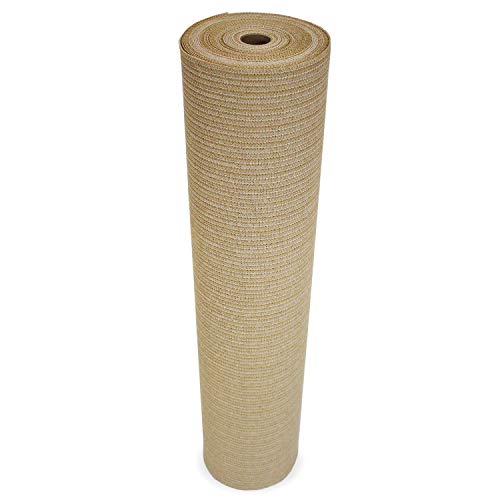
Coolaroo Exterior Shade Fabric
Coolaroo’s knitted high density polyethylene is the benchmark for shade cloth because it can be cut without unravelling and lets breeze pass through rather than ballooning. It blocks a high percentage of UV while keeping the space underneath noticeably cooler than a solid tarp. Owners report it holds colour through several seasons of full sun.
Pros
- Cuts cleanly without unravelling
- Breathes instead of trapping heat
- Good colourfastness in full sun
Cons
- Grommets and hardware often sold separately
- Higher outlay than basic woven cloth

Agfabric Sunblock Shade Cloth
Agfabric supplies shade cloth in a wide spread of percentages, which matters because different crops want very different light levels. Panels arrive with taped edges and grommets, so they can be tied straight onto a hoop house or frame. It is the practical choice for anyone shading seedlings, shade loving vegetables or a small nursery.
Pros
- Choice of shade percentages for crops
- Grommets fitted from new
- Good range of panel sizes
Cons
- Grommet spacing is wide on large panels
- Colour options are limited

Shatex Shade Cloth
Shatex fabric is designed for outdoor living spaces, with a knit that keeps sun off seating areas while still letting hot air escape upward. Panels come ready to tie with reinforced edges, which speeds up installation on a pergola. It is a sensible pick when comfort under the cloth matters more than maximum light blocking.
Pros
- Keeps air moving under the cover
- Ready to install with grommets
- Several colour options
Cons
- Not fully waterproof in rain
- Larger panels need extra support in wind

Windscreen4less Shade Cloth
Windscreen4less specialises in bigger panels and custom cuts, which solves the awkward problem of shading a car park, kennel run or long fence line without seaming several pieces. The heavier fabric and closely spaced grommets stand up to tensioning. It is more of a commercial product than a decorative one.
Pros
- Handles large spans without seams
- Robust grommet and edge reinforcement
- Custom sizing available
Cons
- Heavier and harder to handle alone
- Overkill for a small patio

Alion Home Sun Shade Cloth
Alion Home panels are finished more carefully than most, with bound edges and neat stitching that look right over a residential patio or balcony. The fabric still breathes, so it does not turn the space below into a heat trap. Choose this when the cover will be a visible part of the garden.
Pros
- Neat bound edge finish
- Attractive colour range
- Good breathability
Cons
- Fewer very large sizes
- Costs more per square foot

Sunnyglade Shade Cloth
Sunnyglade covers the everyday jobs of shading a vegetable patch, a run of pots or a dog run without a large outlay. The fabric is lighter than the premium options, which makes it easy to handle and quick to move seasonally. Longevity in constant full sun is where it gives ground.
Pros
- Easy to handle and reposition
- Good price per square foot
- Enough shade for most vegetables
Cons
- Lighter fabric wears faster
- Limited very large panel sizes

ColourTree Shade Cloth
ColourTree fabric is dense enough to work as a privacy screen as well as a sun barrier, which suits a boundary fence or the side of a pergola. The tighter knit blocks more sightline but also cuts airflow slightly. Owners report it needs proper tensioning to avoid flapping in exposed spots.
Pros
- Doubles as a privacy screen
- Strong reinforced edging
- Good UV block for the price
Cons
- Denser knit reduces airflow
- Needs firm tensioning in wind
How to pick the right one
Pick the shade percentage for the job Shade percentage describes how much sunlight the fabric blocks. Vegetables and most garden crops do well under roughly 30 to 50 percent, shade loving plants and seedlings prefer 50 to 70 percent, and people, pets and parked vehicles usually want 80 to 90 percent or more. Going too dense over vegetables costs you yield, so match the figure to what is underneath.
Knitted beats woven for most uses Knitted polyethylene can be cut anywhere without unravelling, stretches slightly under load rather than tearing, and lets hot air rise through it. Woven fabric blocks more light for the same weight but frays badly when cut and tends to trap heat. For anything you will trim to fit or leave up for a season, knitted is the safer choice.
Fixing, tension and wind Shade cloth fails at its fixings long before the fabric wears out. Use reinforced grommets, spread the load with a rope threaded through the edge rather than tying at single points, and leave the panel slightly slack so it can move without stressing the corners. In exposed gardens, plan to take panels down before serious storms.
Sizing, overlap and seasonal storage Measure the span and add enough for tie off at every edge, since a taut panel with nothing spare is difficult to fix properly. If you need to join panels, overlap them rather than butting them together. At the end of the season, wash off dust and dry the fabric fully before folding it away, since damp storage encourages mildew stains.
The lineup, side by side
| # | Model | Construction | Best for | Score | Price |
|---|---|---|---|---|---|
| 1 | Coolaroo Exterior Shade Fabric | Knitted HDPE | Best overall | 9.4 | Check price |
| 2 | Agfabric Sunblock Shade Cloth | Knitted HDPE | Best for greenhouses | 9.2 | Check price |
| 3 | Shatex Shade Cloth | Knitted breathable mesh | Best for patios | 9.0 | Check price |
| 4 | Windscreen4less Shade Cloth | Heavy knitted HDPE | Best for large areas | 8.8 | Check price |
| 5 | Alion Home Sun Shade Cloth | Knitted HDPE | Best for appearance | 8.6 | Check price |
| 6 | Sunnyglade Shade Cloth | Knitted mesh | Best value | 8.3 | Check price |
| 7 | ColourTree Shade Cloth | Dense knitted HDPE | Best for privacy screening | 8.0 | Check price |
Common questions
What shade percentage do vegetables need?
Most vegetables do well under roughly 30 to 50 percent shade during peak summer heat. Leafy greens and seedlings tolerate more, around 50 to 60 percent, while fruiting crops want the lower end so they still get enough light.
Is shade cloth waterproof?
No. Standard shade cloth is a mesh, so water passes through it. It reduces the force of heavy rain but will not keep an area dry, and a solid waterproof cover traps heat instead.
Can shade cloth be cut to size?
Knitted fabric can be cut anywhere without unravelling, which is its main practical advantage. Woven fabric frays at cut edges and needs hemming or edge tape.
How long does shade cloth last outdoors?
UV stabilised knitted fabric commonly lasts several seasons in full sun, and longer if taken down over winter. Lighter, cheaper fabrics fade and weaken sooner.
How do I stop it sagging?
Support long spans with a cable or rope threaded through the edge, tie off at regular intervals rather than only at corners, and re tension after the first few weeks once the fabric has settled.
Does darker fabric block more sun?
Colour and density are related but not the same. Check the stated shade percentage rather than assuming, though darker colours generally absorb more heat while lighter colours reflect more.
Can I use shade cloth over a dog run?
Yes, and a high percentage fabric is appropriate there since animals need real protection from direct sun. Fix it well clear of the ground so air can still circulate.
How do I clean shade cloth?
Hose it down or brush off dust and pollen, and use mild soapy water for stubborn marks. Let it dry completely before folding it for storage to avoid mildew.
Our pick
Coolaroo Exterior Shade Fabric is the shade cloth that suits the most situations, because the knitted weave can be cut to fit and still breathes under summer sun. Growers should look at Agfabric for the choice of shade percentages, while Windscreen4less is the sensible answer when the span is genuinely large.