Best Shocks and Struts for a Smoother, Steadier Ride
The Monroe OESpectrum leads for a balanced factory-like ride, the KYB Excel-G is the go-to for restoring firm original handling, and the Bilstein 4600 is the durability pick for trucks and towing. Match any of them to your exact make and model.
For a smooth yet controlled ride most drivers do well with the Monroe OESpectrum, while the KYB Excel-G restores firmer factory handling and the Bilstein 4600 is the tough choice for trucks and heavy loads.
Choosing dampers is harder than swapping a part number because ride feel, load rating, and exact fit all vary by vehicle. We compared these seven on comfort, handling control, build durability, and application coverage using manufacturer specifications and what owners report after installation.
The top picks, ranked

Monroe OESpectrum Shock Absorber
Monroe tunes the OESpectrum to mimic the balanced ride of factory dampers, which makes it a safe upgrade for daily drivers that want comfort without floatiness. Its valving reacts to road input for controlled body motion. Owners report it quiets down worn suspensions while keeping a familiar feel.
Pros
- Comfortable factory-like ride
- Good body control over bumps
- Wide vehicle application list
Cons
- Not aimed at heavy towing
- Softer than performance dampers
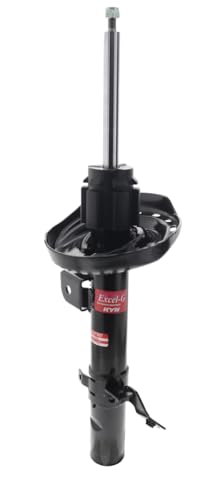
KYB Excel-G Gas Shock
The Excel-G is KYB’s replacement for restoring a vehicle to its original firm handling rather than softening it. The nitrogen-gas charge reduces foaming for consistent response during hard cornering and braking. Drivers who felt their car go vague often notice a tighter, more planted feel afterward.
Pros
- Restores firm original handling
- Consistent under hard cornering
- Strong fitment coverage
Cons
- Firmer ride some find stiff
- Transmits more road texture

Bilstein 4600 Series Shock Absorber
Bilstein’s 4600 is a monotube gas shock built for trucks and SUVs that haul, tow, or see rough roads. The single-tube design dissipates heat well, so it resists fade on long descents and loaded runs. It rides firm but stays composed when the vehicle is working hard.
Pros
- Excellent heat and fade resistance
- Composed under towing and loads
- Durable monotube construction
Cons
- Firm ride on light-load driving
- Costs more than twin-tube options

Monroe Quick-Strut Complete Strut Assembly
The Quick-Strut arrives fully assembled with strut, spring, and mount, so you skip the dangerous job of compressing coil springs. That makes it a favorite for anyone replacing struts at home. It restores ride height and damping in one bolt-in unit that saves shop time.
Pros
- No spring compressor needed
- Fast bolt-in installation
- Replaces worn spring and mount too
Cons
- Higher upfront cost per corner
- Overkill if only the strut is bad

Gabriel Ultra Shock Absorber
Gabriel’s Ultra offers a solid comfort-focused replacement at a friendly price for cars and light trucks. Its gas-charged twin-tube design smooths out everyday bumps and controls bounce well enough for commuting. It is a sensible pick when you want reliable damping without paying for performance tuning.
Pros
- Affordable replacement option
- Smooth comfortable everyday ride
- Wide light-duty coverage
Cons
- Less control when pushed hard
- Not suited to heavy loads

ACDelco Professional Premium Gas Shock
ACDelco’s Professional gas shocks are engineered to match original equipment feel, which appeals to owners of GM trucks and cars who want a straightforward like-for-like swap. The gas charge keeps damping consistent, and fitment is dialed in for covered applications. It is a dependable, no-surprises replacement.
Pros
- Close match to factory ride
- Reliable everyday damping
- Good fit on covered vehicles
Cons
- Narrower application list
- No performance upgrade in feel

KYB Gas-a-Just Monotube Shock
The Gas-a-Just is KYB’s high-pressure monotube shock for drivers who want the firmest, most immediate response. The single-tube design and higher gas pressure sharpen steering feel and cut body roll. It rides stiff, so it suits enthusiasts and spirited driving more than plush comfort seekers.
Pros
- Sharp responsive handling
- Reduced body roll and dive
- Durable monotube build
Cons
- Ride is stiff for daily use
- Transmits bumps to the cabin
The lineup, side by side
| # | Model | Type | Best for | Score | Price |
|---|---|---|---|---|---|
| 1 | Monroe OESpectrum Shock Absorber | Twin-tube gas-charged | Best overall | 9.4 | Check price |
| 2 | KYB Excel-G Gas Shock | Twin-tube gas-charged | Best for restoring handling | 9.2 | Check price |
| 3 | Bilstein 4600 Series Shock Absorber | Monotube gas-charged | Best for trucks | 9.1 | Check price |
| 4 | Monroe Quick-Strut Complete Strut Assembly | Preassembled strut unit | Best complete assembly | 8.9 | Check price |
| 5 | Gabriel Ultra Shock Absorber | Twin-tube gas-charged | Best value | 8.5 | Check price |
| 6 | ACDelco Professional Premium Gas Shock | Gas-charged | Best for GM vehicles | 8.3 | Check price |
| 7 | KYB Gas-a-Just Monotube Shock | High-pressure monotube | Best for firm response | 8.0 | Check price |
How to pick the right one
Know the difference between shocks and struts Shocks dampen bounce but do not support the vehicle’s weight, while struts are structural and hold up the suspension and often the spring. Many vehicles use struts up front and shocks in the rear. Replacing the right type for your setup is the first step, so check what your corner actually uses before buying.
Match the damper to how you drive A commuter wants comfort-tuned units that soak up bumps, a spirited driver wants firmer valving that cuts body roll, and a truck that tows needs heavy-duty monotubes that resist fade. Buying a stiff sport shock for a comfort car, or a soft shock for a loaded truck, leaves you unhappy no matter how good the part is.
Twin-tube versus monotube Twin-tube dampers ride softer and cost less, making them a good fit for everyday cars. Monotube designs handle heat better and respond faster, which is why they suit towing, heavy loads, and performance driving. Neither is universally better, so pick based on load and how firm a ride you can live with.
Replace in pairs and inspect the rest Always change dampers as an axle pair so both sides wear and respond evenly. While you are under the vehicle, check mounts, boots, and bump stops, since a worn mount can clunk even with a new strut. On strut jobs, a complete assembly avoids compressing springs, which is the most dangerous part of the work.
Frequently asked questions
How do I know my shocks or struts are worn?
Common signs include excessive bouncing after bumps, nose dive under braking, uneven or cupped tire wear, and a floaty or wandering feel at speed. Fluid leaking down the damper body is a clear giveaway that the seal has failed and replacement is due.
Do I have to replace all four at once?
Not necessarily, but you should replace them in axle pairs so both sides of the same axle match. If the fronts are worn the rears often are too, so many owners do all four together for consistent, predictable handling.
What is the difference between a shock and a strut?
A shock only dampens motion, while a strut is a structural part of the suspension that also supports vehicle weight and usually houses the coil spring. Struts are more involved to replace, which is why preassembled strut units are popular.
Will new shocks improve handling?
Yes, worn dampers let the body pitch and roll and can lengthen stopping distances. Fresh units restore controlled body motion, steadier cornering, and better tire contact, which together make the vehicle feel planted and safer, especially over rough or uneven roads.
Can I install shocks or struts myself?
Shocks are usually a manageable home job with basic tools. Struts are riskier because compressing the coil spring can cause injury, so many DIYers choose complete strut assemblies that bolt in without a spring compressor. Follow torque specs and support the vehicle safely.
How long do shocks and struts last?
Lifespan varies with driving conditions and load, but many last well before feel starts to degrade. Rough roads, towing, and heavy use shorten that. Rather than a fixed mileage, watch for the wear symptoms and have them inspected during routine service.
Are monotube shocks worth the extra cost?
For towing, heavy loads, or performance driving they often are, since they manage heat better and respond faster. For a light commuter that never sees hard use, a quality twin-tube damper delivers a more comfortable ride for less money.
Do new struts need an alignment?
Front strut replacement can change suspension geometry, so an alignment afterward is a smart precaution to protect tire wear and keep steering true. Rear shock swaps usually do not affect alignment, but confirm with your specific vehicle before skipping it.
Our pick
For a smooth, controlled everyday ride the Monroe OESpectrum is the safest all-round choice, while the KYB Excel-G is the pick if you want to restore firm factory handling. Owners who tow or drive trucks hard should lean toward the Bilstein 4600 for its heat and fade resistance. Confirm exact fitment for your make and model before buying.