Beginner Snowboard Boots That Make Learning Easier
The Burton Moto stands out as the top pick for most beginners due to its soft flex, easy-entry speed zone lacing, and plush liner that keeps feet warm and comfortable all day. Its main limitation is that the soft flex may not suit heavier riders or those progressing quickly to aggressive riding.
Starting snowboarding is thrilling, but the wrong boots can turn every run into a painful struggle. Comfort and fit are everything when you are learning, as stiff or ill-fitting boots cause foot fatigue and poor control.
We combed through current Amazon listings and owner reviews to find the best snowboard boots for beginners. Our picks focus on soft flex for forgiveness, easy lacing for quick adjustments, and warm liners for all-day comfort.
The top picks, ranked

Burton Moto Snowboard Boots
The Burton Moto is the quintessential beginner boot. It offers a soft flex that makes turns easy to initiate, and the Speed Zone lacing system lets you tighten the boot quickly with a single pull. The Imprint 1 liner provides decent support and warmth, while the outsole grips well on icy surfaces. Owners report easy break-in and a comfortable fit for average-width feet.
Pros
- Soft flex is forgiving for learning
- Quick and easy lacing
- Warm and comfortable liner
Cons
- Not ideal for aggressive riding
- May pack out over time

Thirty Two STW BOA Snowboard Boots
The Thirty Two STW BOA offers the convenience of a single BOA dial that tightens the entire boot. Its soft flex and comfortable liner make it a favorite among beginners who prioritize ease of use. The boot features a rubber outsole for good traction and a heat-moldable liner for a custom fit. Owners appreciate the quick adjustability on the mountain.
Pros
- Tool-free BOA tightening
- Plush liner that molds to your foot
- Good value for the features
Cons
- BOA system can be tricky to fix if broken
- Limited ankle support

DC Controls BOA Snowboard Boots
DC Controls BOA boots combine a sleek design with user-friendly features. The BOA lacing system ensures a snug fit, and the soft flex helps beginners feel confident. The Response liner offers decent cushioning, and the outsole provides good grip. Owner reviews highlight the comfortable fit right out of the box.
Pros
- Sleek design
- BOA lacing for convenience
- Comfortable from the first day
Cons
- Some users find sizing slightly large
- Not as warm in extreme cold
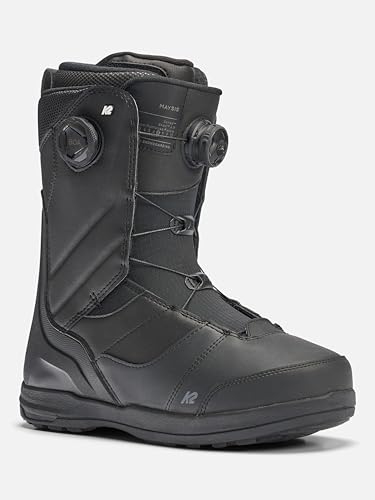
K2 Maysis Snowboard Boots
The K2 Maysis is known for its plush liner and excellent warmth. It features a BOA lacing system with a Harshmellow footbed that absorbs impact. The flex is medium-soft, which suits beginners who want a bit more support as they progress. Owners love the comfortable fit and the fact that they rarely need to retighten during the day.
Pros
- Supremely comfortable liner
- Good shock absorption
- Stays snug all day
Cons
- Higher price point
- May be too warm for spring riding
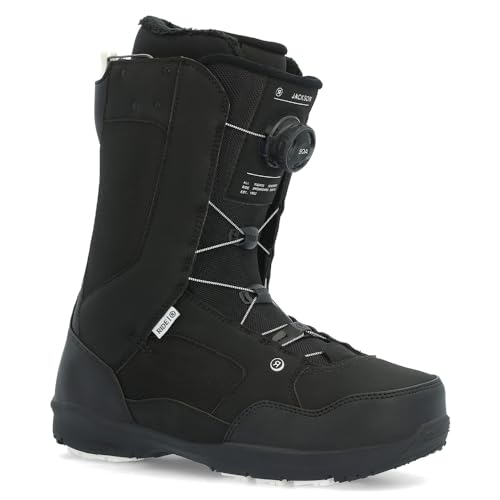
Ride Jackson Snowboard Boots
The Ride Jackson is an affordable option that doesn’t skimp on essentials. It features traditional laces, allowing for precise adjustments, and a soft flex that is ideal for beginners. The liner is basic but comfortable, and the boot’s construction is durable. Owner reviews mention that they are great for occasional riders or those on a tight budget.
Pros
- Budget-friendly
- Classic lacing for custom fit
- Durable construction
Cons
- No advanced features
- Break-in period needed

Salomon Dialogue Snowboard Boots
The Salomon Dialogue offers a medium flex that bridges the gap between beginner and intermediate. It features a quick lacing system and a heat-moldable liner for a personalized fit. The boot provides good response while remaining forgiving. Owners who have progressed quickly appreciate that they don’t need to upgrade right away.
Pros
- Versatile flex grows with you
- Quicklace system is fast and reliable
- Good ankle support
Cons
- Not as soft as true beginner boots
- Can feel stiff for first-timers
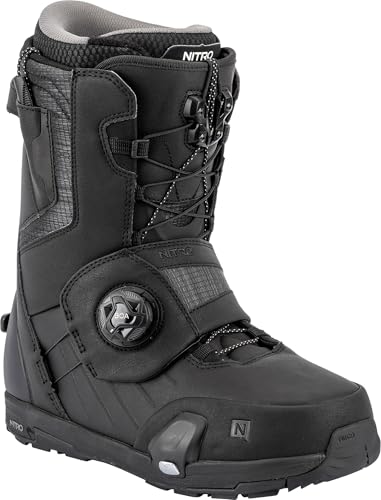
Nitro TLS Snowboard Boots
The Nitro TLS (Twin Lacing System) offers a straightforward traditional lace setup with a soft flex that is perfect for beginners. The liner is comfortable and the boot is known for its durability. Owners report that the laces hold tight and the boot provides a good balance of comfort and performance for learning.
Pros
- Reliable lacing system
- Soft flex for easy turns
- Durable build
Cons
- Lacing takes longer
- Less convenient than BOA
Side by side
| # | Model | Flex | Best for | Score | Price |
|---|---|---|---|---|---|
| 1 | Burton Moto Snowboard Boots | Soft | Overall best beginner boot | 9.4 | Check price |
| 2 | Thirty Two STW BOA Snowboard Boots | Soft | Easiest lacing with BOA system | 9.2 | Check price |
| 3 | DC Controls BOA Snowboard Boots | Soft to medium | Modern style with solid performance | 8.8 | Check price |
| 4 | K2 Maysis Snowboard Boots | Medium-soft | Comfort and warmth for long days | 9.0 | Check price |
| 5 | Ride Jackson Snowboard Boots | Soft | Budget-friendly without sacrificing quality | 8.5 | Check price |
| 6 | Salomon Dialogue Snowboard Boots | Medium | All-mountain versatility for progressing beginners | 8.7 | Check price |
| 7 | Nitro TLS Snowboard Boots | Soft | Simple and reliable traditional lacing | 8.3 | Check price |
How to choose
Common questions
What flex should a beginner snowboard boot have?
Beginners should look for boots with a soft flex, typically rated 1-3 out of 10. Soft flex is forgiving and makes it easier to learn basic maneuvers without fighting the board.
How much should I spend on beginner snowboard boots?
You can find quality beginner boots in the range of 150 to 300 dollars. It’s not necessary to spend top dollar when you are starting, but investing in a comfortable pair is worth it.
What is the difference between BOA and traditional laces?
BOA laces use a dial for quick tightening and loosening, offering convenience and micro-adjustability. Traditional laces allow more customization but take longer to adjust. BOA is often easier for beginners.
Should I buy boots that are slightly bigger for room to grow?
No. Boots that are too big will cause heel lift and poor control. You want a snug fit with your toes just touching the end. Boots will pack out and become slightly larger, so start with a precise fit.
How do I know if my snowboard boots fit properly?
Your heel should stay in place when you flex your ankles, and your toes should lightly touch the front of the boot. There should be no painful pressure points. The boot should feel snug but not restrictive.
Do I need to wear special socks with snowboard boots?
Yes, you should wear thin, moisture-wicking socks designed for snowboarding or skiing. Avoid thick cotton socks, as they can cause blisters and affect fit.
Can I use ski boots for snowboarding?
No, ski boots are not compatible with snowboard bindings. Snowboard boots are softer and have a different sole shape. They are designed to work with snowboard bindings specifically.
How long do snowboard boots last?
With regular use, snowboard boots typically last 100 to 200 days on the mountain. The liner will pack out over time, reducing support. Beginners might need to replace them as they progress and want stiffer flex.
Should I buy boots or rent them as a beginner?
If you plan to snowboard more than a few times a year, buying boots is a good investment. Renting can be inconsistent and uncomfortable. Owning your boots ensures a better fit and more enjoyable experience.
What if my boots are uncomfortable?
Many boots have heat-moldable liners that can be shaped to your foot at a shop. If they are still uncomfortable, consider trying a different brand or model, as fit varies. Don’t settle for painful boots.
Final word
For most beginners, the Burton Moto is the best choice due to its soft flex, easy lacing, and all-day comfort. If you prefer BOA convenience, the Thirty Two STW BOA is an excellent alternative. Those on a budget will find the Ride Jackson a solid option. Invest in a boot that fits well and supports your learning curve.