Top Stackable Garden Beds for Small Spaces and Big Harvests
The GreenStalk 5-Tier Vertical Planter is the top pick for most gardeners because it offers five stackable tiers in a compact footprint, making it ideal for small spaces. Its main advantage is the built-in watering system that delivers moisture to each level, reducing maintenance. A limitation is that it requires assembly and the tiers are not customizable in height.
Stackable garden beds let you grow more in less space by layering planting areas vertically. They are perfect for patios, balconies, and small yards where ground space is limited. This roundup covers seven top-rated models, each with distinct features to suit different needs.
Whether you are a beginner or a seasoned gardener, these beds offer convenience and efficiency. We compared their construction, drainage, and ease of use so you can pick the one that fits your gardening style.
What to look for
Our top picks

GreenStalk 5-Tier Vertical Planter
The GreenStalk 5-Tier Vertical Planter is a favorite among gardeners for its innovative self-watering system. It features five tiers that rotate 360 degrees, allowing you to adjust sunlight exposure. Each tier has deep pockets for roots, and the central column distributes water evenly. Owners report sturdy construction and excellent yields in small spaces.
Pros
- Self-watering system saves time
- Rotating tiers allow sun adjustment
- Sturdy and durable plastic
Cons
- Assembly takes about 30 minutes
- Tiers are not removable individually
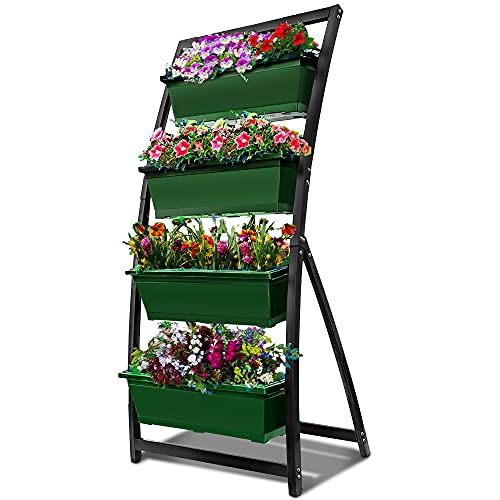
Outland Living Cedar Stackable Garden Bed
This cedar stackable bed brings a classic, warm look to your garden. Made from naturally rot-resistant cedar, it is built to last. The modular design lets you stack up to three levels, giving you flexibility in height. Owners appreciate the pre-drilled holes and easy assembly.
Pros
- Beautiful cedar wood look
- Rot-resistant and long-lasting
- Modular design allows height adjustment
Cons
- More expensive than plastic options
- Not portable once assembled

Keter Urban Bloomer 2-Tier Stackable Planter
The Keter Urban Bloomer is an affordable stackable planter that offers two tiers for vertical growing. It features a sleek resin construction that is weather-resistant and easy to clean. The bottom tier has wheels for mobility, and the upper tier fits securely. Users find it perfect for herbs and flowers on a balcony.
Pros
- Very affordable
- Lightweight and portable
- Weather-resistant resin
Cons
- Small capacity for larger plants
- Not suitable for heavy soil loads
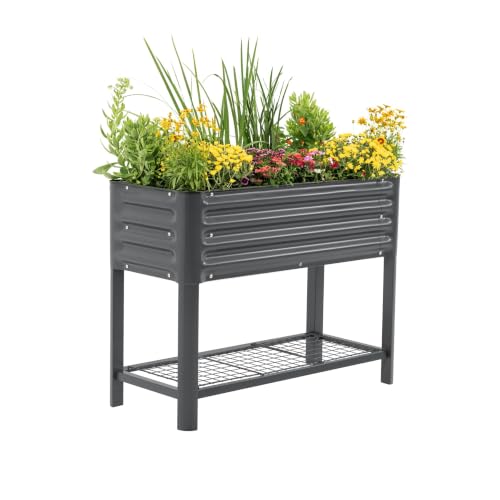
Vego Garden Stackable Raised Garden Bed
Vego Garden offers a stackable raised bed made from heavy-gauge galvanized steel. It is designed to be rust-proof and can withstand harsh weather. The bed comes in a set of three stackable tiers, each with a unique interlocking system. Owners praise its sturdiness and clean, modern look.
Pros
- Extremely durable and rust-proof
- Clean, industrial look
- Easy no-tool assembly
Cons
- Heavy and not portable
- Sharp edges if not handled carefully

Gardeners Supply Company Stackable Raised Bed
This stackable raised bed from Gardeners Supply Company features a sturdy steel frame with a fabric liner. It includes wheels for easy movement, making it ideal for those who like to chase the sun. The two-tier design is simple to assemble and disassemble for storage.
Pros
- Wheels make it easy to move
- Fabric liner promotes drainage
- Simple assembly
Cons
- Fabric may wear over time
- Smaller planting depth

Cole & Mason Stackable Herb Planter
The Cole & Mason stackable herb planter is a compact option for kitchen windowsills or small patios. It consists of three stackable pots with a self-watering reservoir at the base. Each pot has a drainage tray that catches excess water. Users love its modern design and space-saving footprint.
Pros
- Compact and fits in small spaces
- Self-watering reduces upkeep
- Modern aesthetic
Cons
- Only suitable for small plants
- Not very sturdy for outdoor winds

Terra Cotta Stackable Planter by Pottery
This stackable planter set from Pottery offers a classic terracotta look with a modern twist. Each pot is designed to nestle into the next, creating a stable tower. The clay material is breathable and promotes healthy root growth. Owners report that it is best for indoor or sheltered outdoor use.
Pros
- Natural, classic appearance
- Breathable material benefits roots
- Stable stacking design
Cons
- Fragile and can crack in freezing temps
- Heavy when filled with soil
Side by side
| # | Model | Material | Best for | Score | Price |
|---|---|---|---|---|---|
| 1 | GreenStalk 5-Tier Vertical Planter | Food-grade plastic, UV-protected | Best overall for watering efficiency | 9.4 | Check price |
| 2 | Outland Living Cedar Stackable Garden Bed | Cedar wood | Best for natural wood aesthetics | 9.1 | Check price |
| 3 | Keter Urban Bloomer 2-Tier Stackable Planter | Resin | Best budget-friendly option | 8.8 | Check price |
| 4 | Vego Garden Stackable Raised Garden Bed | Galvanized steel | Best for durability and metal strength | 9.0 | Check price |
| 5 | Gardeners Supply Company Stackable Raised Bed | Steel frame with fabric liner | Best for easy access and mobility | 8.9 | Check price |
| 6 | Cole & Mason Stackable Herb Planter | BPA-free plastic | Best compact for herbs and small plants | 8.5 | Check price |
| 7 | Terra Cotta Stackable Planter by Pottery | Terracotta clay | Best for classic terracotta look | 8.3 | Check price |
Common questions
What is the best material for a stackable garden bed?
The best material depends on your priorities. Cedar wood is attractive and rot-resistant but requires maintenance. Plastic is lightweight and affordable but may not last as long. Galvanized steel is durable and modern but heavy. Terracotta is aesthetic but fragile. For most, a high-quality plastic or resin offers a balance of durability and weight.
How many tiers do I need?
The number of tiers depends on the plants you want to grow. For herbs and leafy greens, two to three tiers are sufficient. For larger vegetables like tomatoes or peppers, you may need deeper beds with fewer tiers to provide enough root space. Consider the mature size of your plants.
Can I use stackable garden beds indoors?
Yes, many stackable beds are suitable for indoor use, especially those with a self-watering system and a compact design. Ensure they have a tray to catch excess water. They are perfect for growing herbs on a kitchen counter or in a sunny window.
How do I water a stackable garden bed?
Watering methods vary. Some beds have a central reservoir that distributes water to each tier. Others require watering each tier individually. Always check the soil moisture at different levels, as top tiers may dry out faster. Self-watering systems are convenient but may require occasional flushing to prevent salt buildup.
Do stackable garden beds need drainage holes?
Yes, proper drainage is essential to prevent waterlogging and root rot. Most stackable beds come with drainage holes in each tier or a built-in system. If your bed lacks them, you can drill holes carefully, but ensure they do not compromise the structure.
Can I grow root vegetables in a stackable bed?
Root vegetables like carrots and radishes need deep soil. Some stackable beds have enough depth, but others are shallow. Check the depth of each tier. If it is at least 10 to 12 inches, you can grow short-rooted varieties. For longer roots, consider a deeper bed or ground planting.
How do I assemble a stackable garden bed?
Assembly varies by model. Most come with clear instructions. Plastic and resin beds often snap together without tools. Metal and wood beds may require screws or bolts. Always assemble on a level surface and ensure the base is stable before adding soil.
Are stackable garden beds weather-resistant?
Most are designed to withstand outdoor conditions, but materials differ. Cedar and galvanized steel are very weather-resistant. Plastic and resin can become brittle in extreme cold if not UV-protected. Terracotta should be brought indoors or covered during freezing temperatures to prevent cracking.
What is the weight capacity of a stackable garden bed?
Weight capacity depends on the material and design. Plastic beds can hold a few hundred pounds when filled with soil, but metal and wood are often stronger. Always check the manufacturer’s specifications. Avoid overloading, as it could cause the structure to collapse.
Can I expand my stackable garden bed later?
Some stackable beds are modular, allowing you to add more tiers. Others have a fixed design. If expandability is important, look for models that explicitly state they are stackable with additional units. Check compatibility before purchasing extra tiers.
Our take
For most gardeners, the GreenStalk 5-Tier Vertical Planter is the best choice because it combines watering efficiency, durability, and a compact design that works well on patios or balconies. If you prefer a natural look and have the budget, the Outland Living Cedar Bed is excellent. For those on a tight budget, the Keter Urban Bloomer offers great value. Ultimately, choose based on your space, plant needs, and material preference, but the GreenStalk is the clear winner for its innovative features.
You might also need
Top Heavy Duty Raised Garden Beds for Compact Spaces

Smart Stackable Planters for Vertical Gardens and Small Patios

Power Through Big Gardens: Top Battery Tillers for Large Yards
