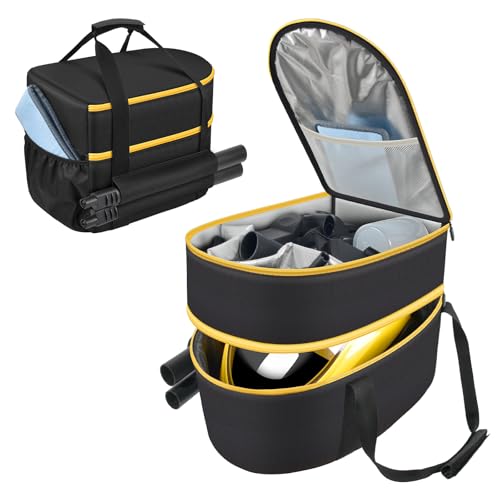
Wall Repair Supplies That Actually Fix Holes for Good
For most DIYers, the DAP 12365 DryDex Spackling is the best overall choice because it starts pink and turns white when dry, which takes the guesswork out of sanding. It is ideal for small to medium holes and cracks, and its main limitation is that it shrinks slightly on deep fills, so you may need a second coat.
Wall damage is inevitable. Whether it’s a doorknob dent, a nail pop, or an accidental hole, having the right supplies makes the repair invisible. But with so many products on the market, choosing the right one can be confusing.
We compared popular wall repair products to see which ones dry quickly, sand smoothly, and hold up over time. From lightweight spackles for small dings to mesh patches for larger holes, this roundup covers the essentials for any DIY repair.
The top picks, ranked

DAP 12365 DryDex Spackling
DAP DryDex is a pink-tinted spackle that dries white, signaling when it’s ready to sand. It’s lightweight, easy to apply, and sands smoothly. Owners report that it adheres well to various surfaces and is paintable in as little as 1-2 hours. Ideal for nail holes, small dents, and minor cracks.
Pros
- Color change indicator takes guesswork out
- Low odor and easy to sand
- Paintable quickly
Cons
- Shrinks slightly on deep fills
- Not for large holes
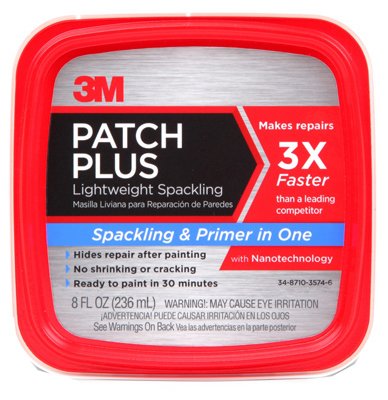
3M Patch Plus Primer 4 sq ft
3M Patch Plus Primer is a self-adhesive mesh patch with a built-in primer. It covers holes up to 4 inches and eliminates the need for separate primer before painting. The patch is flexible and can be used on corners and curved surfaces. Users appreciate that it dries quickly and sands smooth.
Pros
- Self-adhesive, no separate mesh needed
- Built-in primer saves time
- Works on corners and curves
Cons
- Can be tricky to align on large holes
- Requires multiple coats for deep fills

DAP Platinum Patch DryDex 32 oz
DAP Platinum Patch is a heavier-duty spackle designed for deep fills. It is mold and mildew resistant, making it suitable for bathrooms and kitchens. It dries quickly and sands easily, leaving a smooth surface. Best for holes up to 1/2 inch deep or multiple layers.
Pros
- Excellent for deep fills
- Mold and mildew resistant
- Sands to a smooth finish
Cons
- Heavier and dries harder
- More expensive per ounce

Red Devil 0428 Onetime Spackling
Red Devil Onetime is a lightweight spackle that dries in as little as 30 minutes. It is formulated to resist shrinkage and cracking, and it sands easily. Great for small holes and cracks, and it can be painted over quickly. Users like its smooth consistency.
Pros
- Fastest drying time
- Minimal shrinkage
- Easy to sand
Cons
- Not for large or deep holes
- Can be crumbly if applied too thick

Hyde 09755 Putty Knife 6-Piece Set
Hyde’s 6-piece putty knife set includes a variety of flexible blades for spreading spackle, scraping paint, and smoothing compound. The set comes with a durable storage bag. Ideal for DIYers who need multiple sizes for different projects. The comfortable handles reduce hand fatigue.
Pros
- Multiple sizes for any job
- Flexible blades for smooth application
- Comfortable handles
Cons
- Not for scraping heavy paint
- Some users find blades too flexible for stiff materials

Sanding Sponge Block 12-Pack by Value Brand
This 12-pack of sanding sponges includes various grits (fine, medium, coarse) for sanding spackle and drywall. The sponges are flexible and can be used wet or dry. They are durable and reusable. Essential for achieving a smooth finish before painting.
Pros
- Variety of grits
- Flexible and durable
- Washable and reusable
Cons
- May wear out quickly on rough surfaces
- Dust can accumulate on sponge
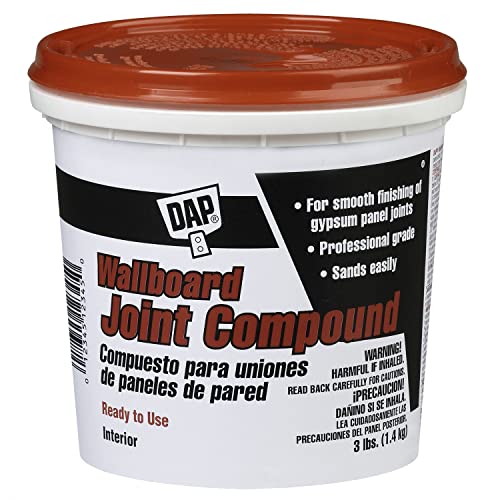
DAP 18002 Wallboard Joint Compound
DAP Wallboard Joint Compound is a pre-mixed compound suitable for taping and finishing drywall joints and repairing larger damaged areas. It dries to a hard, durable finish and can be textured to match surrounding walls. Ideal for more extensive repairs that require a professional touch.
Pros
- Versatile for big repairs
- Can be used for texturing
- Dries hard and durable
Cons
- Long drying time
- Requires sanding and multiple coats
How to pick the right one
How they stack up
| # | Model | Size | Best for | Score | Price |
|---|---|---|---|---|---|
| 1 | DAP 12365 DryDex Spackling | 16 oz tub | Small to medium holes and cracks | 9.4 | Check price |
| 2 | 3M Patch Plus Primer 4 sq ft | 4 sq ft roll | Large holes up to 4 inches | 9.2 | Check price |
| 3 | DAP Platinum Patch DryDex 32 oz | 32 oz tub | Deep holes and cracks | 9.0 | Check price |
| 4 | Red Devil 0428 Onetime Spackling | 16 oz tub | Fast drying and minimal sanding | 8.8 | Check price |
| 5 | Hyde 09755 Putty Knife 6-Piece Set | 6 | Applying and smoothing spackle | 8.6 | Check price |
| 6 | Sanding Sponge Block 12-Pack by Value Brand | 12 sponges | Sanding spackle smooth | 8.4 | Check price |
| 7 | DAP 18002 Wallboard Joint Compound | 4.5 gallon bucket | Textured walls and larger repairs | 8.2 | Check price |
Common questions
What is the best spackle for small nail holes?
A lightweight spackle like DAP DryDex or Red Devil Onetime works well for small nail holes. They dry quickly and sand easily. Apply a small amount with a putty knife, let it dry, then sand smooth.
Can I use spackle on wet walls?
No, spackle should only be applied to dry surfaces. Moisture can prevent adhesion and cause cracking. Fix any water issues before repairing the wall.
How do I fix a large hole in drywall?
For holes larger than 4 inches, cut out the damaged section and replace it with a new piece of drywall. Secure it to the studs, then tape and mud the seams. For smaller holes, a mesh patch kit like 3M Patch Plus Primer can be used.
What is the drying time for spackle?
Drying times vary. Lightweight spackles can dry in 30 minutes to 2 hours. Joint compounds may take up to 24 hours per coat. Always check the label and allow adequate time before sanding or painting.
Should I use primer before painting over spackle?
Yes, it is recommended to prime the repaired area before painting. This seals the spackle and prevents the paint from flashing or showing a different sheen. Some products, like 3M Patch Plus Primer, include a built-in primer.
Can I texture over spackle?
Yes, you can apply texture over spackle once it is dry and sanded. Use a texture spray or a brush to match the existing wall. Lightweight spackles are easier to texture than heavier compounds.
How do I remove excess spackle after it dries?
Use a sanding sponge or block to sand the excess spackle. Start with a medium grit and finish with a fine grit for a smooth surface. Wipe away dust with a damp cloth.
What is the difference between spackle and joint compound?
Spackle is lighter and dries faster, making it ideal for small repairs. Joint compound is heavier, dries slower, and is used for larger areas like seams and texturing. Spackle is easier to sand but shrinks more.
The bottom line
For most DIY wall repairs, the DAP DryDex Spackling is the best all-around product you can buy. Its color-changing formula simplifies the process, and it works well for the majority of small to medium holes. If you frequently encounter larger holes, the 3M Patch Plus Primer offers a convenient solution with its built-in primer and mesh. Pair either with a quality putty knife set and sanding sponges for a professional-looking finish. Avoid overcomplicating your repair with heavy joint compound unless you are dealing with significant damage or need to match texture. Choose the DAP DryDex for a hassle-free repair experience.