Top Waterproof Cameras for Snorkeling, Surf, and Splashes
For most people, the GoPro Hero 13 Black is the top waterproof camera, offering the best combination of 5.3K video, HyperSmooth stabilization, and modular accessories for action sports. Its main advantage is versatility: you can use it for scuba diving, surfing, or vlogging. The main limitation is the shorter battery life when shooting high frame rates, so carry extras for long shoots.
Whether you are snorkeling in the Maldives, surfing local breaks, or just want a worry-free camera for pool days, a waterproof camera lets you capture moments without bulky housings. Modern options range from compact point-and-shoots to action cameras with impressive stabilization.
This roundup covers the best waterproof cameras across different use cases, from budget-friendly picks for kids to professional-level rigs for serious divers. Each product is currently sold on Amazon, and we’ve analyzed specs, owner reviews, and brand reputation to help you decide.
What we recommend

GoPro Hero 13 Black
The GoPro Hero 13 Black is the most versatile waterproof camera, delivering stunning 5.3K video with HyperSmooth 6.0 stabilization. It is waterproof to 33 feet without a housing, and the new HB-Series lenses allow for interchangeable Field of View. Owners praise its rugged build and excellent low-light performance, though battery life remains a common complaint during heavy use.
Pros
- Excellent video quality and stabilization
- Interchangeable lens system for different perspectives
- Durable and well-built for extreme conditions
Cons
- Battery drains quickly with high-end settings
- Requires separate subscription for cloud features
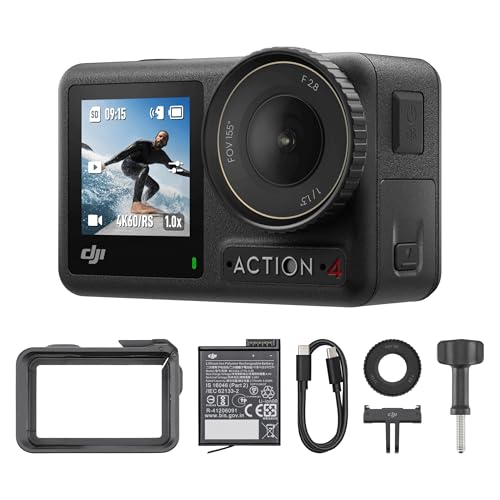
DJI Osmo Action 4
The DJI Osmo Action 4 features a larger 1/1.3-inch sensor that excels in low light, producing cleaner images than many rivals. Its front touchscreen makes framing easy for vloggers. Waterproof to 18 meters, it is a favorite among divers and snorkelers. Owners note the magnetic mounting system is convenient, but the color profile tends to be warmer than GoPro.
Pros
- Superior low-light performance
- Front screen for vlogging
- Longer battery life than GoPro
Cons
- Slightly warmer color out of the box
- Lens not replaceable (but has protective glass)

Olympus Tough TG-7
The Olympus Tough TG-7 is a rugged compact camera designed for underwater photography, offering 4x optical zoom and impressive macro modes. It is waterproof to 50 feet without a housing and can survive drops from 7 feet. Photographers love the microscope mode for capturing tiny sea creatures. Some users find the menu system complex, but the image quality is a step above action cameras.
Pros
- Excellent optical zoom and macro capabilities
- Built-in GPS and field sensor system
- Rugged design for tough conditions
Cons
- Menu interface is not intuitive
- Smaller sensor than some competitors

AKASO Brave 7 LE
The AKASO Brave 7 LE offers a great balance of price and features, including dual screens, 4K video, and electronic image stabilization. It comes with two batteries, a remote control, and waterproof housing to extend depth to 40 meters. Owners find it a solid entry-level action camera, though low-light performance is not as strong as pricier models.
Pros
- Great value with many accessories included
- Dual screens for easy selfie framing
- Decent image quality for the price
Cons
- Stabilization is less effective than premium options
- Color accuracy is slightly muted

Sony RX100 VII
The Sony RX100 VII is a premium 1-inch sensor compact camera that, when paired with an optional underwater housing, becomes a powerful tool for professional underwater photography. It offers 4K video, real-time autofocus, and a versatile 24-200mm zoom lens. While the camera itself is not waterproof, it is included here for its popularity among underwater photographers. The housing, sold separately, makes it a costly but exceptional option.
Pros
- Outstanding image quality
- Fast hybrid autofocus
- Versatile zoom range
Cons
- Requires expensive housing for underwater use
- No built-in waterproofing

Fujifilm FinePix XP140
The Fujifilm FinePix XP140 is a simple, user-friendly waterproof camera that appeals to families and travelers. It is waterproof to 15 meters, freeze-proof to 14°F, and shockproof from 1.8 meters. Owners like its intuitive controls and built-in selfie mode. Image quality is decent for casual use, but it struggles in low light and has limited video features (only 4K at 15fps).
Pros
- Very easy to use
- Rugged and reliable
- Affordable for the features
Cons
- Low light produces noisy images
- 4K video is limited to 15 fps

Nikon COOLPIX W300
The Nikon COOLPIX W300 is a rugged compact with a 5x optical zoom and a built-in flash for underwater shots. It is waterproof to 30 meters, making it suitable for diving. Photographers appreciate the macro mode that lets you get close to small subjects. The camera also supports 4K video at 30 fps. Some users find the menu system a bit dated, but the performance is reliable.
Pros
- Deep waterproof rating
- Great macro capabilities
- Built-in GPS, altimeter, and depth gauge
Cons
- Smaller sensor than premium models
- No touchscreen
What matters most
How to choose a waterproof camera First, determine the maximum depth you will need. Most action cameras are waterproof to 10m without a case, while compact cameras like the Olympus TG-7 go to 15m. If you dive deeper, you will need a dedicated housing. Second, think about video vs. stills. Action cameras excel at video, but compacts often take better photos. Finally, consider stabilization, battery life, and ease of use.
Understanding waterproof ratings Waterproof ratings are often given in meters (m) or feet (ft). The rating indicates the depth the camera can be submerged without damage. Note that saltwater is more corrosive than freshwater, so always rinse your camera with fresh water after diving. Some cameras are also shockproof and freezeproof, adding durability for outdoor adventures.
Action camera vs. compact waterproof camera Action cameras like GoPro are lightweight, mountable, and perfect for POV shots. They offer wide-angle lenses and advanced stabilization. Compact waterproof cameras have zoom lenses, larger sensors (sometimes), and often better ergonomics for still photography. If you plan to take photos of fish or macro subjects, a compact is more suitable.
Accessories to extend your camera’s capabilities Even if your camera is waterproof, you might want a housing for extra protection or to increase depth. Extra batteries and memory cards are essential for long outings. Filters, such as red filters, help restore color at depth. A floating hand grip or lanyard prevents losing your camera in the water.
How they compare
| # | Model | Waterproof depth | Best for | Score | Price |
|---|---|---|---|---|---|
| 1 | GoPro Hero 13 Black | 33 ft (10 m) without case | Action sports and vlogging | 9.6 | Check price |
| 2 | DJI Osmo Action 4 | 59 ft (18 m) without case | Low-light shooting and front screen | 9.3 | Check price |
| 3 | Olympus Tough TG-7 | 50 ft (15 m) without case | Macro and underwater photography | 9.1 | Check price |
| 4 | AKASO Brave 7 LE | 5 m with case (40 m with housing) | Budget action camera | 8.5 | Check price |
| 5 | Sony RX100 VII | Separate housing rated to many depths | Premium compact with underwater housing | 9.0 | Check price |
| 6 | Fujifilm FinePix XP140 | 50 ft (15 m) | Family and travel | 8.3 | Check price |
| 7 | Nikon COOLPIX W300 | 100 ft (30 m) | Underwater macro and wide angle | 8.8 | Check price |
Common questions
What does waterproof depth mean?
Waterproof depth indicates the maximum depth a camera can be submerged while remaining functional. For example, a camera rated 10m can be taken to 10 meters below the surface. Exceeding this depth can damage the seals.
Can I use a waterproof camera for scuba diving?
Yes, if the camera’s depth rating exceeds your diving depth. For recreational scuba (up to 18m), cameras like the Nikon W300 (30m) or Olympus TG-7 (15m) are suitable. For deeper dives, you need a waterproof housing rated for greater depths.
Are action cameras better than compact waterproof cameras?
It depends on your needs. Action cameras are better for video, stabilization, and mounting. Compact cameras are better for still photography, zoom, and macro shots. Choose based on your primary use.
How do I care for my waterproof camera after saltwater use?
Rinse the camera with fresh water immediately after exposure to saltwater. Make sure the battery and memory card compartments are sealed. Dry the camera with a soft cloth before opening any compartments.
What is the best waterproof camera for kids?
For kids, a durable and easy-to-use camera like the Fujifilm XP140 or a budget action camera like the AKASO Brave 7 LE is ideal. They are robust and simple to operate.
Do waterproof cameras have zoom?
Some do. Compact waterproof cameras like the Olympus TG-7 and Nikon W300 have optical zoom lenses. Action cameras typically have fixed wide-angle lenses with no optical zoom.
Can I take a waterproof camera snorkeling?
Absolutely. Most waterproof cameras are rated for depths beyond typical snorkeling depths (usually 5-10m). They are perfect for capturing underwater life.
What is the difference between waterproof and water-resistant?
Water-resistant means the camera can handle splashes or light rain, but cannot be submerged. Waterproof means it can be immersed in water to a specified depth. Always check the rating.
Are there waterproof cameras with 4K video?
Yes, many action cameras and some compacts offer 4K video. For example, the GoPro Hero 13 Black, DJI Osmo Action 4, and Nikon W300 all support 4K recording.
What is the best budget waterproof camera?
The AKASO Brave 7 LE is a top budget pick, offering 4K video and a range of accessories at a low price. The Fujifilm XP140 is also affordable and easy to use.
Our take
If you want the best all-around waterproof camera for action and travel, buy the GoPro Hero 13 Black. For underwater stills and macro, choose the Olympus Tough TG-7. If you are on a budget, the AKASO Brave 7 LE delivers solid performance without breaking the bank.


