Keep Gear Bone Dry: Top Backpacking Dry Bags Compared
The Sea to Summit eVent Compression Dry Sack is our top pick for backpackers who need to compress bulky gear like sleeping bags and puffy jackets. It uses an eVent fabric that lets air escape during compression while staying completely waterproof, saving up to 50% volume. The main limitation is its higher price compared to simple stuff sacks, but for multi-day trips where space is critical, it’s worth the investment.
Nothing ruins a backpacking trip like a soaked sleeping bag. A reliable dry bag is your first line of defense against rain, river crossings, and accidental drops. But not all dry bags are equal. Some are ultralight, some are bombproof, and some double as compression sacks to shrink your load.
This roundup covers the best dry bags for backpacking, from ultralight stuff sacks to heavy-duty expedition models. We evaluated each based on waterproofing, durability, weight, and packability. Whether you need a simple dry sack for clothes or a compression sack for your sleeping bag, we’ve got you covered.
What to look for
Our top picks

Sea to Summit eVent Compression Dry Sack
This is the gold standard for backpackers who want to compress their sleeping bag or clothing without sacrificing waterproofing. The eVent fabric is uniquely breathable, allowing air to escape during compression but blocking water entry. The roll-top closure is easy to seal, and the DWR finish helps shed moisture. Owners report that it keeps gear dry even in heavy rain and river crossings. The compression straps are sturdy and effectively reduce volume. It is more expensive than simple dry bags, but the dual function of dry protection and compression makes it a smart investment for serious hikers.
Pros
- Compresses gear to save space
- Fully waterproof and breathable
- Durable for rugged use
Cons
- Pricier than non-compression models
- Straps can be tricky to tighten evenly
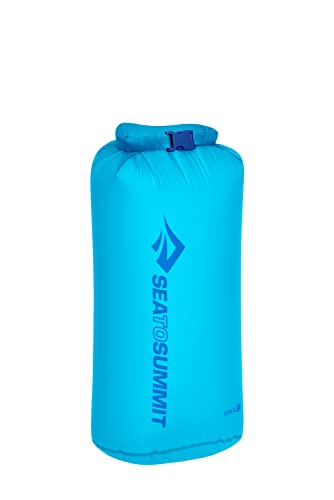
Sea to Summit Ultra-Sil Dry Sack
Weighing just a few ounces, this dry sack is a favorite among thru-hikers and ultralight enthusiasts. Made from ultra-sil Cordura, it is exceptionally light and packs down tiny. Despite its minimal weight, it is fully waterproof with a roll-top closure and taped seams. Owners report that it withstands many seasons of use, though it is not as abrasion-resistant as heavier options. It is ideal for keeping clothes, electronics, or food dry inside a backpack. The fabric is slippery, so it slides easily into tight spaces. For those counting every gram, this is a top choice.
Pros
- Very lightweight
- Packs small
- Waterproof roll-top
Cons
- Not as abrasion-resistant
- Thin material may puncture

YETI Panga Dry Bag
When you need a dry bag that can take a beating, the YETI Panga is a beast. It features a Hydroskin shell that is incredibly tough and fully submersible. The waterproof zipper is easy to open and close, and it provides a watertight seal. The bag has a comfortable carry handle and removable shoulder strap. Owners report that it is truly waterproof, even after being dunked in rivers. The main downside is its weight and bulk, but for canoe trips or expeditions where durability is paramount, it is a reliable choice. It also has a wide opening for easy packing.
Pros
- Fully submersible
- Extremely durable
- Easy access zipper
Cons
- Heavy for backpacking
- Expensive

Outdoor Research OR Drycomp Dry Sack
The OR Drycomp offers a great balance of durability, waterproofing, and affordability. It has a roll-top closure and taped seams to keep water out. The unique feature is the four external compression straps that allow you to compress your gear without the bag being as bulky as a dedicated compression sack. The fabric is a rugged 150D nylon that resists punctures. Owners report that it works well for backpacking and travel. The straps are removable, making it versatile. It is not fully submersible for extended periods, but it handles rain and splashes perfectly.
Pros
- External compression straps
- Durable fabric
- Removable straps for versatility
Cons
- Not fully submersible
- Straps may add bulk

Earth Pak Waterproof Dry Bag
For those who need a reliable dry bag without a hefty price tag, the Earth Pak is a popular choice. It comes in a set of multiple sizes, making it great for organizing gear. The construction is a heavy-duty PVC material with a roll-top closure and buckle. Owners report that it keeps items dry in rain and even when submerged briefly. The seams are not welded but are heat-sealed, which works well for most scenarios. It is not as durable as premium bags, but it offers excellent value for casual backpackers and water sports enthusiasts. The included phone case is a nice bonus.
Pros
- Very affordable
- Set of multiple sizes
- Includes phone case
Cons
- Not for heavy submersion
- Material can be stiff
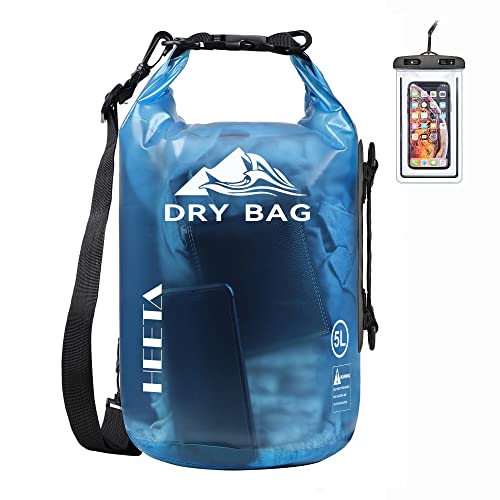
ChuChuL Fashion Waterproof Dry Bag
This dry bag stands out for its clear PVC window, making it easy to see contents without opening. It is perfect for organizing smaller items like toiletries, electronics, or maps. The bag is made of TPU material that is flexible and waterproof. The roll-top closure is secure, and the bottom is reinforced for durability. Owners appreciate the see-through feature, which saves time searching. It is not designed for heavy loads but works well as an inner organizer inside a larger pack. The stylish design is a plus for those who value aesthetics.
Pros
- Transparent window for visibility
- Flexible TPU material
- Reinforced bottom
Cons
- Not for heavy gear
- Window may scratch

Seal Line Pro Dry Sack
The Seal Line Pro is built for expeditions where reliability is non-negotiable. It features a rugged nylon fabric with a TPU lamination that is both waterproof and abrasion-resistant. The seams are RF-welded for a permanent waterproof bond. The roll-top closure has a large buckle for a tight seal. Owners report that it withstands rough handling and keeps gear dry in whitewater conditions. It is heavier than many other bags, but the durability justifies the weight for serious adventures. The interior has a white lining for better visibility of contents.
Pros
- Extremely durable
- RF-welded seams
- White interior for visibility
Cons
- Heavier than ultralight options
- Pricier
Compared at a glance
| # | Model | Material | Best for | Score | Price |
|---|---|---|---|---|---|
| 1 | Sea to Summit eVent Compression Dry Sack | eVent waterproof fabric | Compressing bulky gear while keeping it bone dry | 9.4 | Check price |
| 2 | Sea to Summit Ultra-Sil Dry Sack | Ultra-sil Cordura | Ultralight backpacking and minimal weight | 9.2 | Check price |
| 3 | YETI Panga Dry Bag | Hydroskin shell | Heavy-duty waterproofing and submersion | 9.0 | Check price |
| 4 | Outdoor Research OR Drycomp Dry Sack | 150D nylon with TPU coating | Versatile use with external compression straps | 8.8 | Check price |
| 5 | Earth Pak Waterproof Dry Bag | PVC with heat-sealed seams | Budget-friendly option for occasional use | 8.5 | Check price |
| 6 | ChuChuL Fashion Waterproof Dry Bag | TPU with clear PVC window | Stylish design with transparent visibility | 8.3 | Check price |
| 7 | Seal Line Pro Dry Sack | Nylon with TPU lamination | Durability in extreme conditions | 8.7 | Check price |
Frequently asked questions
Are dry bags truly waterproof?
Yes, most dry bags with a roll-top closure and taped or welded seams are waterproof when sealed correctly. They can be submerged for a short time. However, prolonged submersion may allow water to seep in if the seal is not perfect. For guaranteed submersion, choose a bag with a waterproof zipper or a higher IP rating.
How do I roll a dry bag correctly?
Place your gear inside, then press out excess air. Fold the top of the bag down about three to five times, making sure each fold is tight. Then clip the sides together. The more folds you make, the more secure the seal. Ensure the strap is snug but not overly tight to avoid stressing the fabric.
What size dry bag do I need for a sleeping bag?
A standard mummy sleeping bag usually fits in a 20 to 30 liter dry bag. If you want to compress it, choose a compression dry sack in a similar volume. For a two-person tent, consider a 30 to 50 liter bag. Measure your gear and leave some extra space for easy packing.
Can dry bags be used for electronics?
Yes, dry bags are great for protecting electronics from water. However, to be safe, place electronics in a ziplock bag or a dedicated waterproof case inside the dry bag. This offers double protection, especially if the dry bag is accidentally punctured. Also, avoid exposing electronics to extreme compression.
How do I know if a dry bag is submersible?
Check the product specifications. Bags with a roll-top closure are generally not designed for extended submersion, but they can handle brief immersion. Bags with waterproof zippers and heavy-duty materials, like the YETI Panga, are often rated as fully submersible. Look for terms like ‘submersible’ or ‘IPX8’.
What is the difference between a dry bag and a stuff sack?
A dry bag is waterproof, while a stuff sack is typically water-resistant but not fully waterproof. Stuff sacks are often made of lightweight nylon and are not sealed. Dry bags use roll-top closures and welded seams to prevent water entry. For backpacking, a dry bag is essential if you need to keep gear dry.
Are expensive dry bags worth it?
Expensive dry bags often use higher quality materials, better construction, and are more durable. They may also have compression features. If you backpack frequently or in wet conditions, investing in a quality bag is wise. For occasional use, a budget option may suffice, but remember that a failed dry bag can ruin your trip.
Can I use a dry bag for kayaking or rafting?
Yes, dry bags are commonly used for water sports. For kayaking, you might want a bag that can be strapped to the deck. Look for bags with lash points or D-ring attachments. For rafting, larger bags are available. Ensure the bag is fully waterproof and has a secure closure.
How should I clean my dry bag?
Use mild soap and water. Avoid abrasive cleaners. Rinse thoroughly and air dry. Do not put it in a washing machine or dryer. For stubborn stains, use a soft brush. Keep the buckles and zippers free of sand and dirt to maintain functionality.
What is the best way to pack a dry bag in a backpack?
Place heavy items at the bottom of your backpack, but keep your dry bag accessible. Roll the dry bag tightly to minimize air and space. Put it vertically or horizontally depending on your pack shape. For compression sacks, compress before placing in your pack to save space.
Final word
For most backpackers, the Sea to Summit eVent Compression Dry Sack is the clear winner because it combines waterproofing with compression, saving critical space in your pack. If you prioritize ultralight weight and don’t need compression, the Sea to Summit Ultra-Sil Dry Sack is the best choice. For those who expect heavy submersion or rough conditions, the YETI Panga offers unbeatable durability. No matter which you pick, ensure you roll it correctly and maintain it well, and your gear will stay dry.


