Top Wearable Tech for Every Lifestyle and Budget
The Apple Watch Series 10 stands out as the top pick for iPhone owners who want a seamless health and notification experience, but its limited battery life and iPhone-only compatibility are drawbacks. For Android users or those prioritizing battery longevity, alternatives like the Garmin Venu 3 or Samsung Galaxy Watch 7 offer compelling features.
Wearable technology has evolved from basic step counters to sophisticated health monitors that track heart rate, sleep, and even blood oxygen. Choosing the right device depends on your smartphone, fitness goals, and how often you want to charge.
This roundup covers a range of options from the versatile Apple Watch to specialized devices like the Oura Ring for sleep enthusiasts. We break down key specs and real-world feedback to help you make an informed choice.
The best picks, ranked

Apple Watch Series 10
The Apple Watch Series 10 offers a larger display, faster charging, and advanced health sensors including sleep apnea detection. It integrates deeply with iOS, providing seamless notifications and a vast app ecosystem. Battery life remains about 18 hours, requiring daily charging, and it works only with iPhones.
Pros
- Seamless iPhone integration
- Advanced health features like ECG
- Large, bright display
Cons
- 18-hour battery life
- iPhone only

Samsung Galaxy Watch 7
Samsung’s Galaxy Watch 7 runs on Wear OS with a circular AMOLED display and includes body composition analysis and advanced sleep tracking. It pairs well with Samsung phones, but some features are locked to Samsung devices. Battery lasts up to 40 hours on a single charge.
Pros
- Bright AMOLED screen
- Comprehensive health metrics
- Fast charging
Cons
- Some features need Samsung phone
- Battery could be longer

Garmin Venu 3
The Garmin Venu 3 is a fitness-first smartwatch with built-in GPS, multi-band tracking, and a new nap detection feature. It offers over 30 sport modes and up to 14 days of battery in smartwatch mode. The AMOLED display is vivid, and Garmin’s Connect app provides in-depth analytics.
Pros
- Excellent battery life
- Advanced training metrics
- Built-in speaker and mic for calls
Cons
- No cellular option
- Bulky design for some
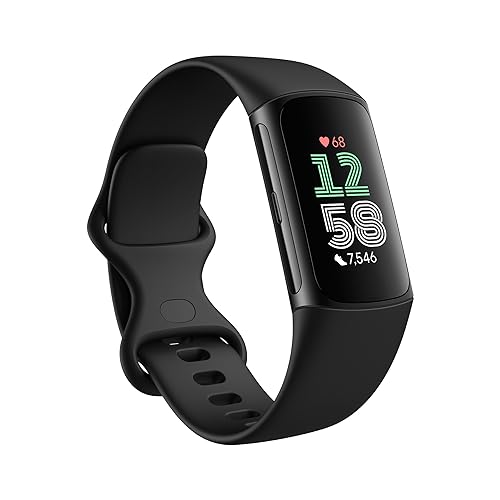
Fitbit Charge 6
Fitbit Charge 6 is a sleek fitness band with built-in GPS, heart rate variability tracking, and Google Maps integration. It offers over 40 exercise modes and up to 7 days of battery. The companion app is user-friendly, and it works with both Android and iOS.
Pros
- Affordable price point
- Accurate heart rate tracking
- Good battery life
Cons
- No built-in speaker
- Limited smart features

Whoop 4.0
Whoop 4.0 is a subscription-based fitness wearable with no screen, designed for 24/7 strain and recovery tracking. It provides daily recovery scores, sleep analysis, and personalized coaching. The subscription model includes the band, but the cost adds up over time.
Pros
- In-depth recovery insights
- Comfortable, screenless design
- Community and coaching features
Cons
- Requires subscription
- No built-in display

Oura Ring Gen 3
The Oura Ring Gen 3 tracks sleep, activity, and readiness with a sleek titanium ring. It offers accurate sleep staging and a readiness score that helps you plan your day. The ring has no screen and requires a subscription for full insights. Battery lasts up to 7 days.
Pros
- Unobtrusive and comfortable
- Excellent sleep tracking
- Long battery life
Cons
- Subscription needed for full features
- No screen for notifications

Amazfit GTR 4
The Amazfit GTR 4 offers a round AMOLED display, built-in GPS, and a remarkable 14-day battery life. It supports over 150 sport modes and includes a blood pressure monitor (not medical grade). The Zepp app is decent, but the watch lacks advanced health metrics like ECG.
Pros
- Exceptional battery life
- Bright display
- Affordable price
Cons
- Blood pressure not medical grade
- App ecosystem less refined
Compared at a glance
| # | Model | Display | Best for | Score | Price |
|---|---|---|---|---|---|
| 1 | Apple Watch Series 10 | LTPO OLED, always-on retina | iPhone users wanting a comprehensive smartwatch | 9.4 | Check price |
| 2 | Samsung Galaxy Watch 7 | 1.5-inch Super AMOLED | Android users who want a premium smartwatch | 9.1 | Check price |
| 3 | Garmin Venu 3 | 1.4-inch AMOLED, 454×454 | Fitness enthusiasts who want detailed training insights | 9.0 | Check price |
| 4 | Fitbit Charge 6 | AMOLED touchscreen | Budget-conscious users who want accurate health tracking | 8.8 | Check price |
| 5 | Whoop 4.0 | Heart rate, skin temperature, accelerometer | Athletes focused on recovery and strain | 8.6 | Check price |
| 6 | Oura Ring Gen 3 | Heart rate, body temperature, accelerometer | Sleep tracking and discreet all-day wear | 8.5 | Check price |
| 7 | Amazfit GTR 4 | 1.43-inch AMOLED, 466×466 | Budget-conscious users who want long battery life | 8.3 | Check price |
How to choose
Questions worth asking
Can I use an Apple Watch with an Android phone?
No, Apple Watch requires an iPhone. It cannot be paired with Android devices.
Do all wearables have GPS?
Not all. Some fitness trackers like the Fitbit Charge 6 have built-in GPS, but budget trackers may rely on phone GPS. Check specifications.
How accurate is heart rate monitoring on wearables?
Optical heart rate sensors are generally accurate for resting and average heart rate, but may be less precise during high-intensity interval training. For medical use, consult a doctor.
What is the difference between a smartwatch and a fitness tracker?
A smartwatch offers a screen for notifications, apps, and often allows calls. A fitness tracker focuses on health metrics and may have a smaller screen or no screen at all.
Are there any subscription costs?
Some devices, like Whoop and Oura, require a monthly or yearly subscription for full features. Others are free, but advanced insights may be premium.
Can I swim with a wearable?
Most modern wearables have water resistance ratings. For example, 5ATM means suitable for swimming, but not for scuba diving. Always check the rating.
How do I know which size to buy?
Smartwatches come in various case sizes, and bands are adjustable. Smart rings have specific sizing kits. For the Oura Ring, you order a sizing kit first.
Do wearables track sleep accurately?
Sleep tracking is approximate, but devices like Oura and Apple Watch use accelerometers and heart rate to estimate sleep stages. They are helpful for trends, not medical diagnosis.
Can I make calls from a wearable?
Yes, if the wearable has a speaker and microphone, like the Apple Watch or Samsung Galaxy Watch. Some also support LTE for standalone calls.
What is the best wearable for battery life?
Garmin Venu 3 and Amazfit GTR 4 offer up to 14 days of battery life in smartwatch mode. Fitness trackers like Fitbit Charge 6 last about a week.
Our take
For iPhone users, the Apple Watch Series 10 is the clear winner, offering unmatched integration and advanced health features. Android users should pick the Samsung Galaxy Watch 7 for a comparable experience. If fitness is your priority, the Garmin Venu 3 provides superior battery and training metrics. Budget shoppers will find the Amazfit GTR 4 an excellent value, while sleep-focused individuals should consider the Oura Ring Gen 3 despite the subscription. Ultimately, choose based on your smartphone and primary use case.