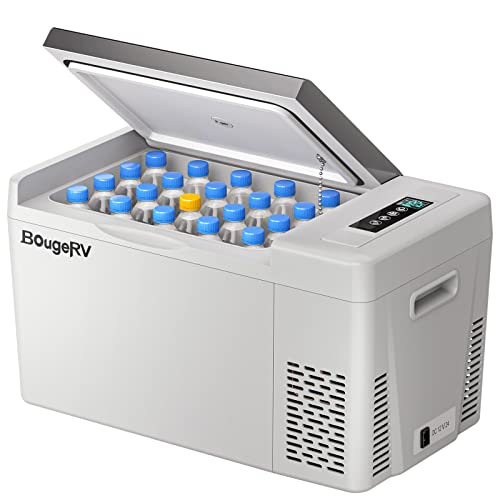
Weatherproof Electric Coolers That Keep Ice for Days
The Dometic CFX 75DZW is the top pick for most adventurers, offering dual-zone cooling, robust IP56 weather resistance, and reliable performance in extreme conditions. Its main limitation is the high price and substantial weight. For budget-conscious buyers, the BougeRV 60 Quart offers solid weather sealing and efficient cooling at a more accessible price point.
When you’re off the grid, your cooler is your lifeline for fresh food and cold drinks. But not all electric coolers are built to withstand the elements. Rain, dust, and extreme heat can ruin a standard unit. That’s why we’ve rounded up the best weather-resistant electric coolers that keep your provisions chilled no matter what Mother Nature throws at them.
We compared specifications, owner feedback, and expert reviews to identify models that offer superior protection against moisture and particles. From rugged overlanders to casual campers, there’s a cooler here for every type of adventurer.
How to pick the right one
Understanding IP Ratings IP ratings indicate how well a cooler is sealed against solids and liquids. The first digit rates solids (0-6) and the second rates liquids (0-8). For outdoor use, look for at least IPX4 (splash-proof) or IP56 (dust-tight and water-jet resistant). Higher ratings like IP67 offer temporary immersion, but such coolers are rare.
Key Features to Consider Capacity is measured in quarts or liters, but usable space varies by design. Consider dual-zone models if you need both freezing and refrigeration. Check power consumption, especially if you’ll rely on solar or a battery. Look for low-voltage protection to prevent draining your vehicle’s battery. Portability features like handles and wheels matter for heavier units.
How to Maximize Weather Resistance Even with a high IP rating, seal gaps around the lid and use a weatherproof cover for extra protection. Position the cooler in a shaded area to reduce heat stress. Keep vents clear of debris to ensure proper airflow. If you’re in a dusty environment, wipe the seals regularly to maintain a tight barrier.
Powering Your Cooler Most electric coolers run on 12/24V DC (cigarette lighter) and 100-240V AC. For camping, you’ll often use a portable power station or solar generator. Check the cooler’s amp draw; typical units draw 2-5 amps at 12V. A 100Ah battery can run a cooler for roughly 20-40 hours, depending on ambient temperature and usage.
The shortlist, ranked

Dometic CFX 75DZW
The Dometic CFX 75DZW is the gold standard for portable refrigeration. With IP56 weather resistance, it shrugs off rain and dust. Its dual-zone design lets you freeze and refrigerate simultaneously, and the robust compressor cools down quickly even in scorching temperatures. Owners praise its durability and energy efficiency, making it a favorite for overlanding and extended camping trips.
Pros
- Exceptional build quality
- Dual-zone cooling flexibility
- High weather resistance
Cons
- Heavy at over 60 pounds
- Premium price point
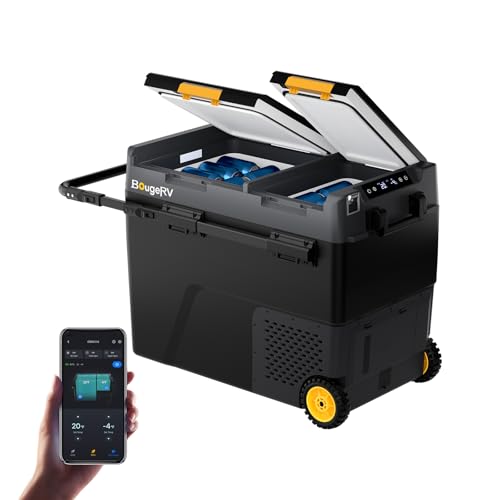
BougeRV 60 Quart Portable Refrigerator
The BougeRV 60 Quart offers outstanding value for budget-conscious adventurers. With an IPX4 water-resistant rating, it can handle light rain and splashes. Its efficient compressor cools from 32°F to 50°F, and the insulated body retains cold well. Users report reliable performance for weekend trips and tailgating, all at a fraction of the cost of premium brands.
Pros
- Affordable price
- Low power consumption
- Lightweight compared to others
Cons
- Not fully dustproof
- Single-zone cooling
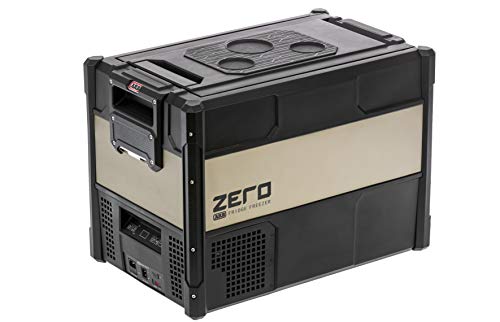
ARB 10800472 Zero Fridge Freezer
ARB’s Zero series is legendary among overlanders for its military-grade durability. With an IP56 rating, it resists water jets and dust ingress. The fridge features a heavy-duty compressor and a robust exterior that can take a beating. Owners report consistent temperature control even in 100°F heat, making it a reliable companion for remote expeditions.
Pros
- Extremely rugged construction
- Excellent cooling performance
- Low amp draw
Cons
- Expensive
- Limited internal storage space

EcoFlow Glacier Portable Refrigerator
The EcoFlow Glacier is a game-changer with its built-in ice maker, a rarity in portable coolers. It features IPX4 water resistance, suitable for outdoor use. The cooler can be controlled via a smartphone app and offers rapid cooling. However, the ice maker adds weight and complexity, and some users note it draws more power when making ice.
Pros
- Built-in ice maker
- App control
- Fast cooling
Cons
- Heavy due to ice maker
- Higher power draw
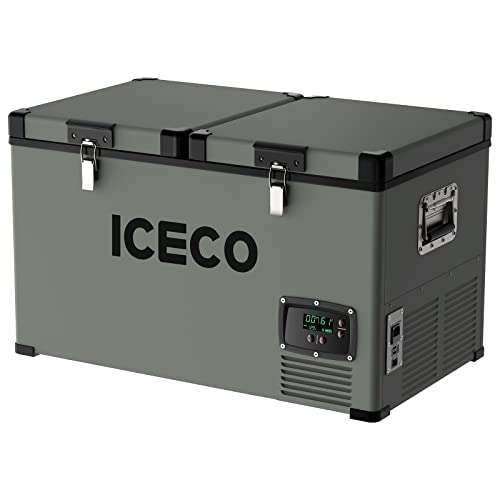
Iceco VL60 Pro Dual Zone
The Iceco VL60 Pro offers dual-zone cooling at a more accessible price than Dometic. With an IP54 rating, it’s protected against splashing water and dust. The cooler has a clear lid for easy viewing and a user-friendly control panel. Owners appreciate its quiet operation and efficient cooling, making it a solid choice for family camping trips.
Pros
- Dual-zone functionality
- Quiet compressor
- Reasonable price
Cons
- Lower IP rating than top models
- Plastic lid feels less durable

Anker EverFrost 50
The Anker EverFrost 50 integrates a detachable 299Wh battery, allowing you to run the cooler without being plugged in. It has an IPX4 water-resistant rating, suitable for light rain. The cooler can also charge your devices via USB ports. Users love the convenience of the built-in battery, though it adds significant weight and increases the price.
Pros
- Built-in battery
- USB charging ports
- Good cooling performance
Cons
- Heavy due to battery
- Battery adds cost

Whynter FM-45G 45 Quart
The Whynter FM-45G is a simple, no-frills electric cooler that offers basic weather resistance. It features a rugged exterior and a secure lid, but it lacks a high IP rating, so it’s best kept under a canopy or in a vehicle. Owners report that it cools effectively and is easy to clean, making it a good entry-level choice for occasional use.
Pros
- Very affordable
- Simple operation
- Compact size
Cons
- No official weather resistance rating
- Less durable build
Side by side
| # | Model | Capacity | Best for | Score | Price |
|---|---|---|---|---|---|
| 1 | Dometic CFX 75DZW | 75 liters (dual zone) | Best Overall for Serious Off-Grid Adventures | 9.4 | Check price |
| 2 | BougeRV 60 Quart Portable Refrigerator | 60 quarts | Best Budget-Friendly Weather-Resistant Cooler | 9.0 | Check price |
| 3 | ARB 10800472 Zero Fridge Freezer | 47 quarts | Best for Extreme Off-Road Conditions | 9.2 | Check price |
| 4 | EcoFlow Glacier Portable Refrigerator | 42 quarts | Best with Built-In Ice Maker | 8.8 | Check price |
| 5 | Iceco VL60 Pro Dual Zone | 60 liters (dual zone) | Best for Dual Zone on a Budget | 8.7 | Check price |
| 6 | Anker EverFrost 50 | 50 liters | Best with Built-In Battery | 8.9 | Check price |
| 7 | Whynter FM-45G 45 Quart | 45 quarts | Best for Basic Weather Protection | 8.0 | Check price |
Questions worth asking
What does IP56 mean on an electric cooler?
IP56 means the cooler is dust-tight (6) and protected against powerful water jets (5). It can withstand rain, splashes, and even hosing down, making it suitable for harsh outdoor conditions.
Can electric coolers get wet?
Yes, if they have a high IP rating like IPX4 or higher. Coolers with IPX4 can handle splashing water, but you should avoid submerging them. For heavy rain or dusty environments, choose at least IP56.
How long will an electric cooler keep items cold?
Electric coolers with compressors can hold temperature as long as they have power. They don’t rely on ice. With a sufficient battery or solar setup, they can run indefinitely. Some models also offer battery protection to preserve vehicle battery.
Are compressor coolers better than thermoelectric ones?
Compressor coolers are generally more efficient and can achieve lower temperatures, even freezing. Thermoelectric coolers are cheaper but less effective in hot conditions and cannot freeze. For serious outdoor use, compressor coolers are recommended.
How much power does an electric cooler consume?
Power consumption varies by model and ambient temperature. Typically, a 12V compressor cooler draws between 2 and 5 amps per hour. At 12V, that’s roughly 24-60 watts. Some models have eco modes to reduce energy use.
Can I leave an electric cooler in the rain?
If the cooler has a rating like IPX4 or higher, it can handle rain. However, prolonged exposure to heavy rain might cause water ingress if the rating is lower. It’s best to place it under a cover if possible.
Do electric coolers work in extreme heat?
Yes, but efficiency decreases as ambient temperature rises. Compressor coolers are designed to handle high outdoor temperatures, but they will draw more power to maintain cooling. Some models have high-temperature protection and will shut off if overheated.
What is the difference between a cooler and a fridge?
In portable terms, ‘cooler’ often refers to thermoelectric units that cool to about 40°F below ambient, while ‘fridge’ or ‘fridge/freezer’ implies a compressor that can maintain consistent temperatures and freeze items. Electric coolers with compressors are essentially portable refrigerators.
Are weather-resistant coolers more expensive?
Not necessarily. While premium brands like Dometic and ARB command higher prices, there are budget options like BougeRV and Whynter that offer decent weather resistance at a lower cost. You pay for build quality and features like dual zones or batteries.
How do I clean a weather-resistant electric cooler?
Unplug the cooler and wipe the interior with a mild detergent and water. Avoid submerging the unit. Clean the seals and exterior with a damp cloth. Ensure the unit is dry before closing the lid to prevent mold.
Our take
For most outdoor enthusiasts, the Dometic CFX 75DZW is the clear winner due to its dual-zone functionality, superior weather resistance, and proven reliability. If budget is a concern, the BougeRV 60 Quart offers impressive performance and weather sealing at a fraction of the cost, making it the best value pick. Choose the ARB Zero if you need maximum ruggedness for extreme off-road conditions.