Top Weatherproof Leaf Blowers Built for Pros
For most professionals, the EGO Power+ LBX6000 stands out as the top weatherproof leaf blower, offering IPX4-rated water resistance and backpack-level air volume without the fatigue of a gas engine. Its main advantage is consistent, powerful airflow even in damp conditions, but its limitation is the need for a compatible 56V battery and charger, which are sold separately.
Professional landscapers and homeowners with large properties know that leaf cleanup doesn’t stop when the weather turns. Rain, dew, and mud can turn a simple task into a test of equipment durability. Standard blowers often short-circuit or clog when moisture gets inside the motor or battery compartment.
This roundup focuses on leaf blowers designed to withstand the elements. We looked for models with IP ratings, sealed battery compartments, and corrosion-resistant materials. We also prioritized air volume (CFM) and airspeed (MPH) because moving wet, heavy leaves requires serious power. Here are the best weatherproof professional leaf blowers you can buy today.
What to look for
The best picks, ranked
EGO Power+ LBX6000
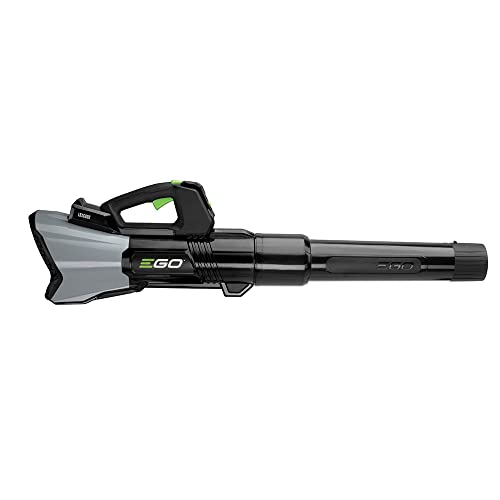
The EGO Power+ LBX6000 is a handheld blower that delivers gas-like performance with an IPX4 rating, meaning it’s protected from splashing water. It produces up to 650 CFM and 180 MPH, enough to move wet leaves and debris. Owners praise its variable speed trigger and cruise control, which reduce fatigue during long jobs. The main limitation is that it requires EGO’s 56V ARC lithium battery, which adds to the cost if you don’t already own EGO tools.
Pros
- Excellent power comparable to gas
- Weather-resistant design handles rain
- Variable speed with cruise control
Cons
- Battery and charger sold separately
- Heavier than some handheld blowers
WORX WG584
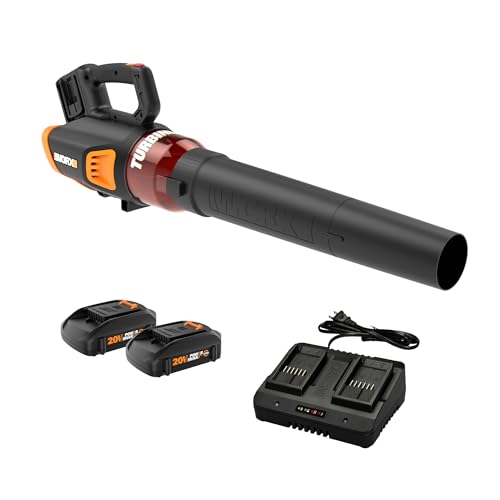
The WORX WG584 is a 20V cordless blower with a unique turbine fan that generates 450 CFM and 110 MPH. It’s not as powerful as the EGO, but it’s lightweight and quiet. The IPX4 rating protects against splashes, making it suitable for damp leaves. Owners like the two-speed control and the fact that it comes with a battery and charger. It’s a solid choice for medium-sized properties.
Pros
- Comes with battery and charger
- Lightweight and easy to handle
- Quieter than gas blowers
Cons
- Less power for wet heavy leaves
- Battery runtime may be short on high

DEWALT DCBL772X1
The DEWALT DCBL772X1 is a brushless blower that delivers up to 600 CFM and 125 MPH. It has an IPX4 rating and a rubberized grip for comfort. It uses DEWALT’s FLEXVOLT battery system, which works with both 20V and 60V tools. Professionals appreciate the variable trigger and the ability to use high-capacity batteries. It’s a bit heavy, but the power is consistent.
Pros
- Powerful and durable
- Compatible with existing DEWALT batteries
- Weatherproof design
Cons
- Battery not included
- Heavier than some competitors

Stihl BGA 200
The Stihl BGA 200 is a professional-grade battery blower with an IPX4 rating. It produces 44 CFM less than the EGO, but it’s known for its balanced design and low vibration. It has a brushless motor and a variable speed trigger with lock. The battery is sold separately, but Stihl’s AP series batteries are robust. It’s a favorite among arborists and landscapers.
Pros
- Very quiet operation
- Low vibration reduces fatigue
- Professional build quality
Cons
- Battery and charger extra cost
- Lower CFM than top picks
Husqvarna 350BT
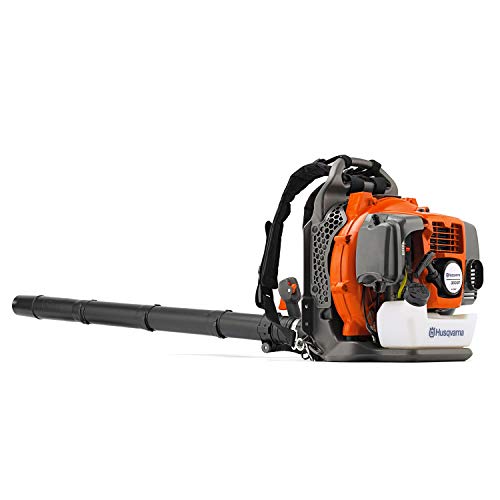
The Husqvarna 350BT is a backpack gas blower that offers 692 CFM and 180 MPH. It’s not battery powered, so weatherproofing is not an issue, but it’s built to handle tough conditions. It features an air purge, low vibration, and a comfortable harness. This is for those who need ultimate power and don’t mind the maintenance of a 2-stroke engine. It’s louder and heavier, but it can blow wet leaves all day.
Pros
- Highest CFM in this list
- Backpack design reduces fatigue
- Reliable Husqvarna engine
Cons
- Requires gas and oil mix
- Heavy and noisy

Greenworks Pro 80V (BD80B2100)
The Greenworks Pro 80V blower offers 450 CFM and 145 MPH. It has an IPX4 rating and a brushless motor. It comes with a battery and charger, making it a great value. Owners note it’s easy to start and run, with a simple trigger. It’s less powerful than the EGO but sufficient for most residential and light commercial tasks.
Pros
- Includes battery and charger
- Weather resistant
- Lighter than gas models
Cons
- Battery runtime is moderate
- Not enough for heavy wet leaves

Makita XBU02PT1
The Makita XBU02PT1 is a 36V (18V X2) blower that delivers 473 CFM and 120 MPH. It’s compact and well-balanced, with an IPX4 rating. It uses two 18V batteries, which are sold separately. It’s ideal for tight spaces and quick cleanups. Some users wish it had more power, but it’s reliable and durable.
Pros
- Compact and easy to store
- Dual battery system for balance
- Good for small to medium yards
Cons
- Batteries and charger not included
- Lower CFM than some competitors
Compared at a glance
| # | Model | Air Volume | Best for | Score | Price |
|---|---|---|---|---|---|
| 1 | EGO Power+ LBX6000 | 650 CFM | Best overall for pros who need power and weather resistance | 9.4 | Check price |
| 2 | WORX WG584 | 450 CFM | Best for long runtime and versatility | 9.1 | Check price |
| 3 | DEWALT DCBL772X1 | 600 CFM | Best for workers already on DEWALT 20V/60V platform | 9.0 | Check price |
| 4 | Stihl BGA 200 | 440 CFM | Best for low noise and professional feel | 8.8 | Check price |
| 5 | Husqvarna 350BT | 692 CFM | Best for maximum power and run time | 8.7 | Check price |
| 6 | Greenworks Pro 80V (BD80B2100) | 450 CFM | Best for value and easy start | 8.4 | Check price |
| 7 | Makita XBU02PT1 | 473 CFM | Best for compact maneuverability | 8.0 | Check price |
Frequently asked questions
What does IPX4 mean on a leaf blower?
IPX4 means the device is protected against splashing water from any direction. It can handle rain and wet leaves, but it is not meant to be submerged or exposed to high-pressure water jets.
Can I use a battery leaf blower in the rain?
Yes, if it has an IPX4 rating or higher. The battery compartment is sealed to prevent water ingress. However, avoid operating in heavy downpours and always dry the blower after use.
Which is better: higher CFM or higher MPH?
Both matter. CFM (cubic feet per minute) tells you how much air moves, which is essential for gathering leaves. MPH (miles per hour) tells you the speed of the air, which helps lift wet or stuck debris. For wet leaves, you need high CFM to push a lot of air, but high MPH helps break them loose.
Are gas leaf blowers weatherproof?
Gas blowers don’t have electrical components, so they are less vulnerable to rain. However, they are not rated for weatherproofing. You can use them in light rain, but it’s best to protect the engine and air filter from water.
How long does a battery leaf blower last on a full charge?
Runtime varies by model and battery capacity. Typically, you get 15 to 60 minutes of continuous use. Some blowers have a variable speed trigger, so lower speeds extend runtime. Professional models often use high-capacity batteries for longer work.
Can I use a leaf blower to move heavy, wet leaves?
Yes, but you need a blower with high CFM and MPH. The EGO LBX6000 and Husqvarna 350BT are excellent for wet leaves. You may need to work in sections and use a sweeping motion.
Is a backpack blower better than a handheld?
Backpack blowers distribute weight on your back, reducing arm fatigue. They often have larger engines or batteries and higher air output, making them suitable for professional use. Handheld blowers are lighter and easier for small tasks.
What should I look for in a professional leaf blower?
Prioritize power (CFM/MPH), weatherproofing (IP rating), build quality, and ergonomics. Consider the source: battery for ease, gas for endless power. Also check warranty and availability of parts.
Can I use a leaf blower to clear snow?
Some people use blowers for light, fluffy snow, but it’s not recommended. Most blowers are not designed for snow, and moisture can damage them. Use a dedicated snow blower for that task.
What is the best way to store a leaf blower?
Store in a dry place, preferably indoors. For battery blowers, remove the battery and store it separately. For gas blowers, drain the fuel if storing for more than a month. Keep the air intake clear of debris.
Our take
For most professionals, the EGO Power+ LBX6000 is the best choice: it offers exceptional power, IPX4 water resistance, and the convenience of battery operation. If you need unlimited runtime and maximum CFM, go with the Husqvarna 350BT backpack gas blower, but be prepared for the noise and maintenance. For those on a budget, the Greenworks Pro 80V is a solid performer that won’t break the bank.