What Size Wet Dry Vacuum Do You Actually Need?
The Craftsman CMXEVBE17595 takes the top spot with a large tank and strong airflow for workshop and garage duty. The Armor All AA255 fits car interiors better, while the Tineco Floor One S5 handles wet messes on hard floors without shop vac bulk.
The Craftsman CMXEVBE17595 leads these wet dry vacuum picks, with the Armor All AA255 covering car detailing and the Tineco Floor One S5 handling everyday hard floor spills. Each solves a different version of the same problem.
Peak horsepower figures get measured in ways that rarely reflect real suction, and a large tank paired with a narrow hose still clogs on drywall offcuts. Filtration is the other overlooked factor. We compared published capacities, hose specifications, filter types and long-term owner reports to rank these seven.
The best picks, ranked

Craftsman CMXEVBE17595 16 Gallon Wet Dry Vac
Sixteen gallons of tank paired with a wide hose makes this the sensible default for a garage or workshop where debris size varies from sawdust to broken tile. Onboard storage keeps nozzles from wandering off. Owners report the caster base rolls over cords and thresholds better than cheaper competitors.
Pros
- Large capacity suits long jobs
- Wide hose resists clogging
- Accessory storage on the unit
Cons
- Too large for indoor household use
- Loud at full power
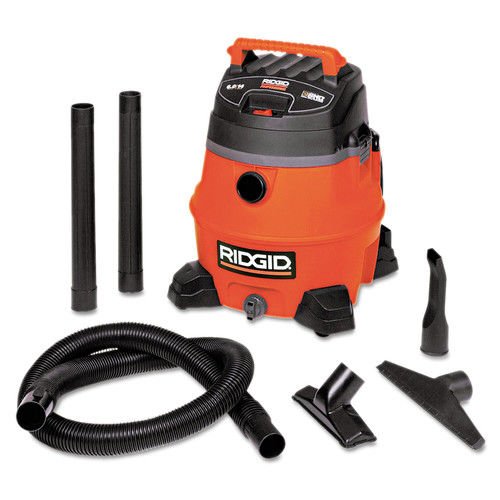
Ridgid HD1400 14 Gallon Wet Dry Vac
A thicker drum and a more substantial motor housing than most competitors at this size show over years of workshop service. A blower port turns the vacuum into a leaf blower for driveway clearing. Based on specifications, the filter swaps easily between dry and wet configurations.
Pros
- Durable construction for heavy use
- Doubles as a blower
- Simple filter changeover
Cons
- Heavy to carry up stairs
- Higher outlay than similar capacities

Shop-Vac 5989300 5 Gallon Wet Dry Vacuum
Five gallons hits the sweet spot for a home garage where the vacuum spends most of its life on a shelf, and Shop-Vac has built this format for decades. It handles wet pickup without a filter change on the standard setup. Owners report the shorter hose is the main compromise at this size.
Pros
- Easy to store and carry
- Well established with cheap spares
- Straightforward wet pickup
Cons
- Short hose limits reach
- Small tank fills quickly on wet jobs

Vacmaster VBV1210 12 Gallon Wet Dry Vac
Wet pickup, dry debris and blowing all run from one unit, suiting anyone who wants a single machine for garage, car and yard. Twelve gallons covers most household jobs without becoming unmanageable. Based on specifications, the accessory kit is more complete than most units include as standard.
Pros
- Three functions in one machine
- Generous accessory bundle
- Long hose for its class
Cons
- Filter needs frequent cleaning on fine dust
- Noisy in enclosed spaces
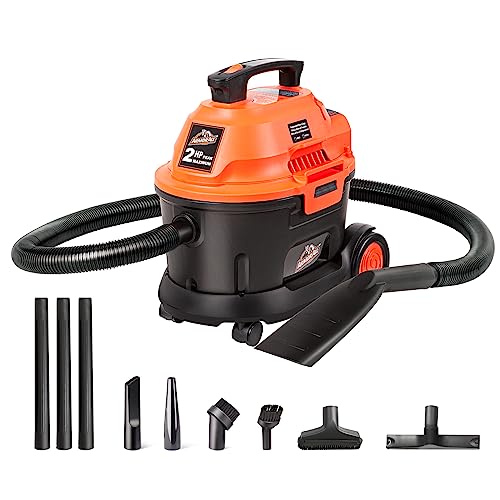
Armor All AA255 2.5 Gallon Wet Dry Vac
Two and a half gallons sounds small until the point becomes clear: reaching under seats and into footwells without dragging a drum around the driveway. A crevice tool and detail brush come standard. Owners report the wall mounting bracket is the detail that keeps it usable in a busy garage.
Pros
- Genuinely portable for car work
- Wall mount saves floor space
- Detailing accessories included
Cons
- Small tank for anything beyond a car
- Cord length is limited

Stanley SL18116P 4.5 Gallon Wet Dry Vacuum
Light enough to carry one handed, this unit still holds four and a half gallons, covering spills, car interiors and small workshop cleanups. A blower function comes included. Owners report suction is respectable for the size, though the filter benefits from regular tapping out on dusty jobs.
Pros
- Low outlay with useful capacity
- Easy to carry between jobs
- Blower function included
Cons
- Filter clogs quickly on fine dust
- Plastic hose fittings feel light
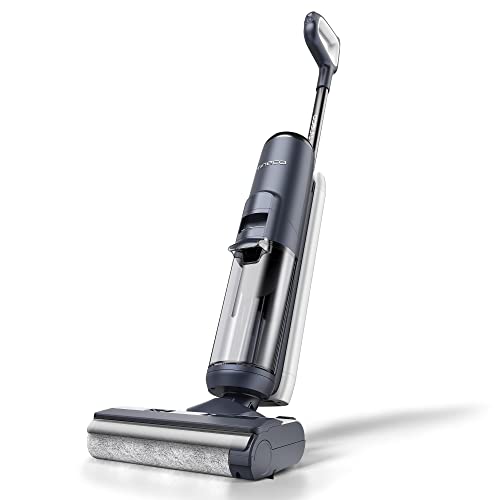
Tineco Floor One S5 Wet Dry Vacuum
This is a different kind of wet dry vacuum, an upright that washes and vacuums hard floors at the same time using separate clean and dirty water tanks. A sensor adjusts suction when it detects heavier mess. Owners report the self-cleaning cycle is essential and the brush roll still needs occasional manual attention.
Pros
- Vacuums and washes in one pass
- Cordless with no drum to drag
- Dirty water kept separate from clean
Cons
- Not suitable for construction debris
- Requires regular tank and brush cleaning
How they compare
| # | Model | Tank | Best for | Score | Price |
|---|---|---|---|---|---|
| 1 | Craftsman CMXEVBE17595 16 Gallon Wet Dry Vac | 16 gallon | Best overall | 9.4 | Check price |
| 2 | Ridgid HD1400 14 Gallon Wet Dry Vac | 14 gallon | Best build quality | 9.2 | Check price |
| 3 | Shop-Vac 5989300 5 Gallon Wet Dry Vacuum | 5 gallon | Best value | 9.0 | Check price |
| 4 | Vacmaster VBV1210 12 Gallon Wet Dry Vac | 12 gallon | Best for mixed jobs | 8.8 | Check price |
| 5 | Armor All AA255 2.5 Gallon Wet Dry Vac | 2.5 gallon | Best for car interiors | 8.6 | Check price |
| 6 | Stanley SL18116P 4.5 Gallon Wet Dry Vacuum | 4.5 gallon | Best budget | 8.3 | Check price |
| 7 | Tineco Floor One S5 Wet Dry Vacuum | Cordless floor washer | Best for hard floors | 8.0 | Check price |
How to pick the right one
How big a tank do you actually need? Large drums make sense for renovation work where a single job produces buckets of debris, but a 16-gallon vacuum is awkward to move and store for a household that mostly cleans a car and the occasional spill. Wet pickup capacity also runs lower than the stated tank size, since the motor sits above the fill line. For most homes, somewhere between four and eight gallons balances useful capacity against where it will actually live.
Why does hose diameter matter more than horsepower? Peak horsepower figures are measured at motor stall and bear little relation to cleaning performance. A narrow hose choking on debris is what actually stops a wet dry vac working. Wider hoses swallow drywall chunks, wood offcuts and leaves without repeated unclogging, while narrow hoses concentrate airflow for fine dust and car crevices. Check hose diameter in the specifications, not horsepower on the box.
Do you need a special filter for wet mode or fine dust? Standard cartridge filters must come out or swap before wet pickup on most machines, and running wet with a dry filter fitted ruins it. Fine dust, such as drywall sanding residue, clogs standard filters quickly and passes straight through cheaper ones, which is why fine dust filters and collection bags exist. Budget for the correct filter if drywall or concrete dust is part of the plan.
How much noise and cord length should you expect? Shop style vacuums run loud, commonly in the range where hearing protection makes sense for extended use. That matters less in a garage than in a flat with neighbours below. Cord length also limits practical reach, and a short cord plus a short hose means constantly moving the drum. Cordless floor washers like the Tineco solve both problems for indoor use but can’t handle the debris a shop vac was designed for.
Good to know
Can a wet dry vacuum pick up water safely?
Yes, that is the point of the design. Most models require removing or swapping the dry filter first and stopping before the tank exceeds its wet fill line, which sits lower than the total capacity.
What size wet dry vac do I need?
Around two to four gallons suits car interiors, four to eight covers general household and small workshop use, and twelve gallons or more targets renovation work and large garages.
Do I need to change the filter for wet pickup?
On most shop style vacuums, yes. Running wet with a standard paper or cartridge filter fitted saturates and destroys it. Some models supply a foam sleeve specifically for wet work.
Can a wet dry vacuum handle drywall dust?
Only with a fine dust filter and ideally a collection bag. Standard filters clog almost immediately on drywall sanding residue, and the finest particles pass straight through into the motor.
How loud are shop style wet dry vacuums?
Loud enough that hearing protection is worth wearing for extended jobs. Larger motors generally run louder, and enclosed garage spaces make it worse through reflection.
Can I use a wet dry vac on carpet?
For dry debris, yes, though a dedicated carpet head helps. For wet extraction from carpet, a shop vac removes surface liquid but won’t deep clean fibres the way a carpet extractor does.
What is the difference between a shop vac and a floor washer?
A shop vac collects debris and liquid into a drum with no washing action. A floor washer such as the Tineco dispenses clean water, scrubs with a brush roll and recovers dirty water separately, which suits sealed hard floors rather than workshops.
How do I stop a wet dry vac from smelling?
Empty and rinse the tank after wet pickup rather than leaving liquid inside, dry the filter fully before refitting, and leave the lid off between uses so moisture escapes. Most odour complaints trace back to a tank left damp and sealed.
Final word
The Craftsman CMXEVBE17595 is the wet dry vacuum for a garage or workshop, since a large tank and wide hose cover the messiest jobs without constant emptying and unclogging. Car cleaning is better served by the compact Armor All AA255, and households dealing mainly with spills on sealed hard floors will get more use from the Tineco Floor One S5.


