Window Fans That Actually Move Air: Top Picks Compared
The Genesis Twin Window Fan stands out as the top overall pick for its powerful dual 9-inch blades, reversible airflow, and built-in thermostat, making it ideal for medium to large rooms, though its size may not fit narrow windows.
Window fans are a simple, energy-efficient way to pull in cool night air or exhaust stale indoor air. They cost less to run than air conditioners and can be installed in minutes.
But not all window fans are equal. Some are loud, some barely move air, and others are tricky to fit. We compared specifications and owner feedback to find the best for different needs.
What to look for
The top picks, ranked
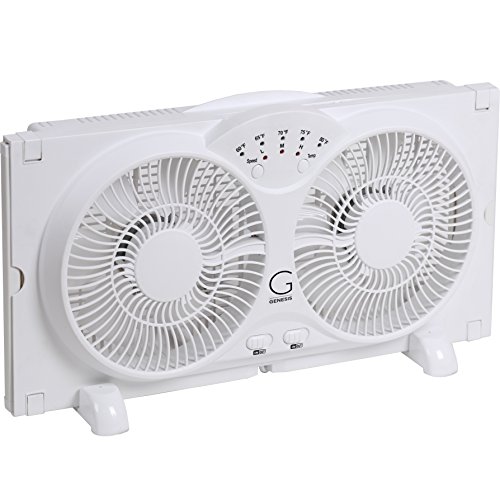
Genesis Twin Window Fan with Thermostat and Remote
This dual-blade fan moves up to 390 CFM of air, making it a powerhouse for bedrooms and living areas. It offers reversible airflow for intake or exhaust, a thermostat to auto-adjust, and a remote control for convenience. Owners report it is relatively quiet on low settings but can be loud on high.
Pros
- Powerful airflow for large rooms
- Thermostat and remote add convenience
- Reversible airflow for intake or exhaust
Cons
- Bulky design may not fit narrow windows
- High speed is noticeably loud

Comfort Zone 9-Inch Twin Window Fan with Reversible Airflow
An affordable twin fan that delivers decent airflow for its price. It has three speeds and reversible airflow, making it a solid choice for small bedrooms or apartments. Users note it is easy to install and lightweight, but the plastic build feels less durable.
Pros
- Very affordable
- Lightweight and easy to install
- Reversible airflow for intake/exhaust
Cons
- Less powerful for larger rooms
- Plastic construction may warp over time

Bionaire Twin Reversible Window Fan with Remote
This window fan is praised for its quiet operation on low and medium settings, making it a favorite for bedrooms. It features a remote control, thermostat, and reversible airflow. Owners say it provides a gentle breeze rather than a strong blast, which suits mild climates.
Pros
- Quiet operation for sleeping
- Remote and thermostat included
- Reversible airflow
Cons
- Not powerful enough for large rooms
- Some users report the remote is finicky

Lasko 2155A 9-Inch 2-Speed Twin Window Fan
A classic twin window fan from a trusted brand. It offers two speeds and a simple manual dial. It is not reversible, but you can flip the fan around to change airflow direction. Users like its sturdy build and consistent performance for the price.
Pros
- Trusted brand and sturdy build
- Simple to use
- Good value for money
Cons
- No remote or thermostat
- Not reversible without manual flipping

Air King 9155 9-Inch Twin Window Fan
Made with a metal housing and industrial-grade motor, this fan is built to last. It provides strong airflow and has three speeds. It is not reversible, but it is powerful enough to cool medium rooms. Owners appreciate its heavy-duty feel and long lifespan.
Pros
- Metal construction lasts for years
- Powerful airflow
- Three speed settings
Cons
- Heavier than plastic models
- No reversible airflow
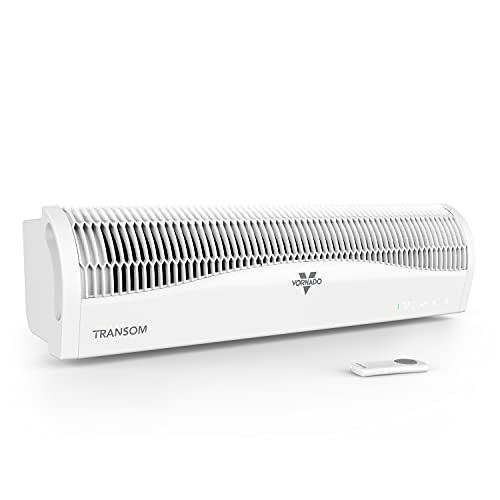
Vornado Transom Window Fan
Designed to fit into transom windows or narrow spaces, this fan uses Vornado’s signature vortex airflow to circulate air throughout the room. It has two speeds and a manual control. It is quieter than many twin fans and works well in small rooms.
Pros
- Unique vortex airflow circulates well
- Fits narrow and transom windows
- Quiet operation
Cons
- Single fan, not twin
- Not as powerful as twin fan models

Holmes 8-Inch Twin Window Fan
This smaller twin fan is perfect for tight windows where larger fans won’t fit. It offers two speeds and a manual dial. While it lacks advanced features, it is a straightforward, affordable solution for small rooms and apartments.
Pros
- Compact size fits small windows
- Affordable price
- Simple to use
Cons
- Less powerful for larger rooms
- No remote or thermostat
How they stack up
| # | Model | Airflow | Best for | Score | Price |
|---|---|---|---|---|---|
| 1 | Genesis Twin Window Fan with Thermostat and Remote | 390 CFM | Overall best for large rooms and versatile airflow | 9.4 | Check price |
| 2 | Comfort Zone 9-Inch Twin Window Fan with Reversible Airflow | Not specified, around 200 CFM | Budget-friendly for small to medium rooms | 8.5 | Check price |
| 3 | Bionaire Twin Reversible Window Fan with Remote | Not high, but adequate for small rooms | Quiet operation for light sleepers | 8.8 | Check price |
| 4 | Lasko 2155A 9-Inch 2-Speed Twin Window Fan | Moderate | Reliable budget pick with simple controls | 8.2 | Check price |
| 5 | Air King 9155 9-Inch Twin Window Fan | Strong, up to 300 CFM | Durable build for daily use | 8.7 | Check price |
| 6 | Vornado Transom Window Fan | Effective vortex circulation | Unique design for high windows and small spaces | 8.4 | Check price |
| 7 | Holmes 8-Inch Twin Window Fan | Lower, but sufficient for small rooms | Compact fit for small windows | 8.0 | Check price |
Good to know
How do I install a window fan?
Most window fans come with adjustable expandable panels that fit the width of your window. Place the fan in the window sill, extend the side panels to touch the window frame, and tighten the screws or locks. Ensure the fan is stable and the cord is not pinched. Some fans also come with a safety bracket for extra security.
Can I leave a window fan on overnight?
Yes, but it is important to choose a fan with a quiet setting and consider energy use. Many fans have a thermostat that can turn the fan off when the room cools down. Always close the window if rain is expected, and never leave the fan unattended if the window is accessible from outside.
What is the difference between intake and exhaust mode?
Intake mode pulls fresh outside air into the room, which is great for cooling on mild nights. Exhaust mode pushes stale indoor air out, which helps remove odors and humidity. Some fans have reversible airflow so you can switch between modes easily.
How much electricity does a window fan use?
Window fans use much less electricity than air conditioners. On average, they consume between 30 to 100 watts depending on the speed and size. Running a typical window fan for 8 hours might cost a few cents, making it an energy-efficient cooling option.
Will a window fan work if the window is open only a few inches?
Window fans are designed to fit the full window opening, but some can be adjusted to fit a smaller gap. However, if the window is only open a few inches, the fan may not be able to sit properly and may vibrate or fall. It is best to have a window that opens at least the height of the fan.
How do I clean my window fan?
Unplug the fan before cleaning. Remove the front grille if possible and wipe the blades with a damp cloth. Use a vacuum with a brush attachment to remove dust from the motor and vents. Avoid getting water on the motor. Clean the fan at the start and end of each season.
Can I use a window fan in a window that is open outward?
Most window fans are designed for double-hung windows that slide up and down. For casement windows that crank outward, you may need a special adapter or a fan that can be mounted horizontally. Some users have used foam board to create a seal. Check the fan’s specifications for compatibility.
Are window fans safe to use with children or pets?
Window fans have grilles that prevent fingers from reaching the blades, but it is still important to supervise children and pets. Ensure the fan is securely installed and cannot be pushed out. Some fans come with safety brackets for added security. Never leave a window fan running in a window that is easily accessible to small children without supervision.
What is the warranty on window fans?
Warranties vary by brand and model. Many window fans come with a one-year limited warranty, while some brands offer longer warranties on the motor. Check the product listing or the manufacturer’s website for specific warranty information.
Can I leave a window fan in the window during the winter?
It is not recommended to leave a window fan in place during winter. Cold air can seep in and cause drafts, and moisture from condensation can damage the fan. Remove the fan and store it in a dry place, and seal the window to keep cold air out.
The bottom line
For most people, the Genesis Twin Window Fan is the best choice because it combines powerful airflow, reversible operation, and smart features like a thermostat and remote, making it versatile for both cooling and ventilation. However, if you need a quiet fan for a bedroom and have a smaller window, the Bionaire Twin Reversible Window Fan is a better fit due to its low noise levels. Budget-conscious buyers should consider the Comfort Zone 9-Inch Twin Window Fan, which offers reliable performance without breaking the bank. Regardless of your pick, make sure to measure your window before purchasing.