Top Yoga Mats for Indoor Practice: Cushion, Grip, and Durability
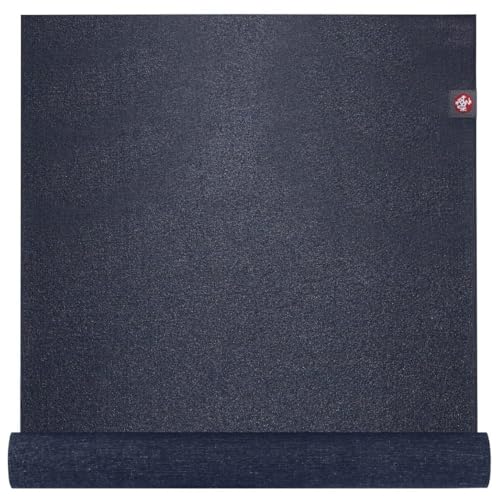
The Manduka PRO Yoga Mat is our top pick for indoor use due to its exceptional durability, cushioning, and lifetime guarantee, but it is heavy and has a slick surface when new.
Finding the right yoga mat for indoor practice can transform your sessions. The best mat provides stable footing, comfortable cushioning, and lasting support. Whether you are a beginner or a seasoned yogi, the right surface matters.
We compared mats from top brands, focusing on materials, texture, and durability. Our selection includes options for hot yoga, gentle practices, and travel. Read on to find your perfect match.
The best picks, ranked

Manduka PRO Yoga Mat
The Manduka PRO is a beloved mat among yogis for its incredible durability and support. Made in Germany with a closed-cell surface, it resists sweat and odors. Owners report it lasts for years, but it is heavy and requires a break-in period for optimal grip.
Pros
- Lifetime guarantee
- Excellent cushioning and support
- Resists moisture and odors
Cons
- Heavy and awkward to carry
- Surface can be slippery when new

Liforme Yoga Mat
The Liforme mat features unique alignment markers that help you position your hands and feet correctly. Its eco-friendly polyurethane top provides a sticky grip even during sweaty sessions. The natural rubber base offers cushioning but has a distinct smell.
Pros
- Alignment guides are very helpful
- Excellent grip in hot yoga
- Eco-friendly materials
Cons
- Rubber smell may be strong initially
- Pricier than many mats

Alo Yoga Warrior Mat
The Alo Warrior Mat is designed for hot yoga with its proprietary grip technology that enhances as you sweat. It features a cushioned yet firm feel, and its antimicrobial surface prevents odor. Owners praise its durability, but it can be heavy for travel.
Pros
- Grip improves with moisture
- Cushioned support for joints
- Antimicrobial surface
Cons
- Heavy for carrying
- Rubber base can be slippery on smooth floors

Jade Yoga Harmony Mat
The Jade Harmony Mat is made from natural rubber tapped from trees, offering a superb grip that becomes stickier with moisture. It is free of PVC and other harmful chemicals. Owners love its sustainability, but it has a rubber smell that fades over time.
Pros
- Excellent grip, especially when sweaty
- Eco-friendly production
- Lifetime warranty
Cons
- Rubber odor initially
- Slightly narrower than standard
Gaiam Premium Print Yoga Mat
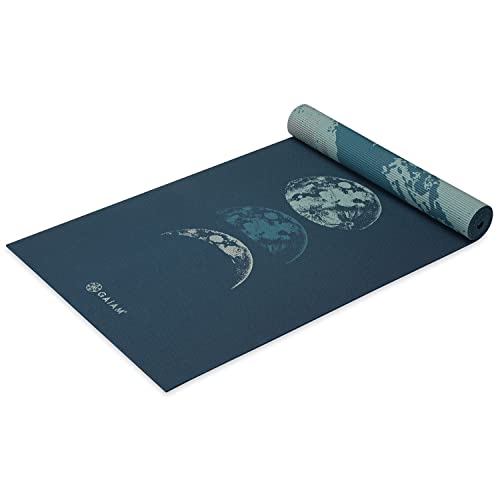
The Gaiam Premium Print Mat offers a thick 6mm cushion ideal for beginners and those with sensitive joints. Its textured surface provides decent traction. Available in many designs, it is a great value, though it may wear faster than premium mats.
Pros
- Affordable price point
- Thick cushioning for comfort
- Many colors and patterns
Cons
- Less durable over time
- Grip may diminish with heavy use

Hugger Mugger Para Rubber Yoga Mat
The Hugger Mugger Para Rubber Mat is a thin, firm mat favored by practitioners who want a direct connection to the floor. It provides excellent grip and stability. The natural rubber is durable but has a distinct smell that some find off-putting.
Pros
- Great for balance and stability
- Firm support for standing poses
- Durable natural rubber
Cons
- Thin cushioning may not suit everyone
- Rubber smell persists

B Yoga B MAT Everyday Yoga Mat
The B Yoga B MAT is made from natural tree rubber and features a moisture-wicking top layer. It offers good grip and cushioning, making it suitable for various styles. It is lighter than many rubber mats, and owners appreciate its eco-conscious production.
Pros
- Good grip and cushion balance
- Lighter than many rubber mats
- Eco-friendly materials
Cons
- May have a rubber smell initially
- Surface can show wear over time
What to look for
How they stack up
| # | Model | Material | Best for | Score | Price |
|---|---|---|---|---|---|
| 1 | Manduka PRO Yoga Mat | PVC, latex-free | Serious practitioners seeking a long-lasting mat | 9.4 | Check price |
| 2 | Liforme Yoga Mat | PU top, natural rubber base | Alignment-focused practice with grip | 9.2 | Check price |
| 3 | Alo Yoga Warrior Mat | PU top, natural rubber base | Hot yoga and high-intensity flow | 9.0 | Check price |
| 4 | Jade Yoga Harmony Mat | Natural rubber, non-toxic | Eco-conscious yogis wanting natural grip | 8.9 | Check price |
| 5 | Gaiam Premium Print Yoga Mat | PVC, phthalate-free | Budget-friendly option with style | 8.6 | Check price |
| 6 | Hugger Mugger Para Rubber Yoga Mat | Natural rubber | Traditionalists who prefer a firm, thin mat | 8.4 | Check price |
| 7 | B Yoga B MAT Everyday Yoga Mat | Tree rubber, non-toxic | Eco-friendly performance at a reasonable price | 8.2 | Check price |
Good to know
What is the best yoga mat for indoor use for beginners?
For beginners, a thicker mat like the Gaiam Premium Print Mat (6mm) provides extra cushioning and support. It is affordable and offers decent grip, making it a great starting point.
How do I clean my yoga mat?
Most mats can be cleaned with a mixture of water and a few drops of mild dish soap or a specialized mat cleaner. Spray on the mat and wipe with a cloth. Avoid soaking the mat or putting it in the washing machine.
Are expensive yoga mats worth it?
Expensive mats often use higher quality materials that last longer and provide better grip and cushioning. If you practice regularly, investing in a premium mat like the Manduka PRO can be cost-effective over time due to its durability.
How thick should a yoga mat be for indoor use?
Thickness depends on personal preference and practice style. If you need more joint cushioning, choose a 5-6mm mat. If you prefer stability and connection to the floor, a 3-4mm mat may be better.
Can I use a yoga mat on carpet?
Yes, but a thinner mat may not provide enough stability on thick carpet. A thicker mat (5-6mm) can help level the surface. Some mats also have better grip on carpet, but you may need to use a non-slip towel or rug underneath.
What is the difference between PVC and rubber yoga mats?
PVC mats are durable, affordable, and have good cushioning, but they are not as eco-friendly. Rubber mats offer excellent grip and are biodegradable, but they have a distinct smell and may cause skin irritation for some people.
How long does a yoga mat last?
With proper care, a high-quality mat can last several years. The Manduka PRO is known to last a decade or more. Cheaper mats may need replacement every 6-12 months depending on use.
Do I need a special mat for hot yoga?
Hot yoga mats are designed to maintain grip when wet. Look for mats with a polyurethane top or that are marketed as hot yoga mats, like the Alo Warrior or Liforme. They often have moisture-wicking properties.
The verdict
For most indoor practitioners, the Manduka PRO is the best investment due to its unmatched durability and support. If you practice hot yoga, the Alo Warrior provides superior grip. Budget-conscious beginners should choose the Gaiam Premium Print. Ultimately, prioritize your comfort and practice style.