How to Choose Between a Convertible Carrier and a Wrap
Choose a convertible carrier if you want quick on and off use, structured support for a growing baby, and multiple carry positions as your child ages. Choose a wrap if you prioritize a close, adjustable, custom fit for a newborn and don’t mind a longer learning curve for tying it. Many parents end up using both at different stages.
How a Convertible Carrier Works
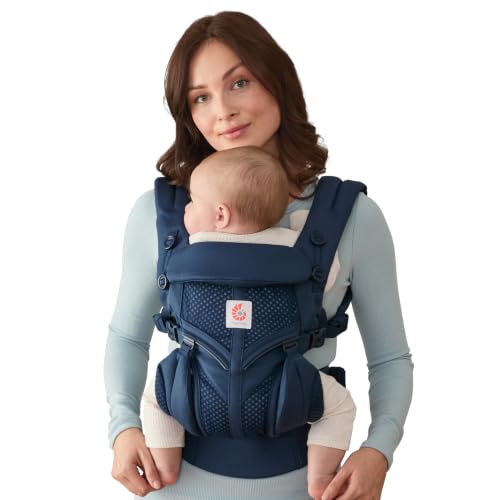
A convertible carrier uses buckles, clips, and padded straps to hold a baby in front, hip, or back carry positions, depending on the model. Manufacturer specs typically list a weight range starting around 7 to 8 pounds and extending to 35 or 40 pounds, which means one carrier can often serve from early infancy through toddlerhood with the right inserts or panel adjustments. Aggregated owner reviews consistently point to two advantages: speed of use and structured back support. Because the carrier has a shaped waistband and shoulder straps, it distributes weight across the hips rather than the shoulders alone, which owners with back or shoulder sensitivity tend to mention favorably.
The tradeoff is bulk. A buckle carrier has more hardware, more fabric panels, and a fixed shape, so it takes up more room in a diaper bag or suitcase than a wrap does. Parents researching options for flights, road trips, or hotel stays often compare structured models when looking at the best baby carriers for travel, since a carrier that folds compactly and adjusts fast at security checkpoints or rest stops tends to score well in published buyer feedback.
How a Wrap Works
A wrap is a long piece of fabric, either stretchy knit or woven, that you tie around your body to create a pouch for the baby. There are no buckles or clips. According to published fabric standards and manufacturer guides, stretchy wraps are generally recommended for newborns up to around 15 to 20 pounds, since the give in the fabric can lose support under heavier loads, while woven wraps are rated for a wider range, often up to 30 pounds or more, because the fabric doesn’t stretch out over time.
Owner reviews aggregated across retail and parenting sites frequently highlight two things about wraps: the snug, adjustable fit that can be customized to the exact shape of the baby and parent, and a noticeably longer learning curve. Most wraps require practicing a specific tying method, and many new users reference video tutorials or in-store demonstrations before feeling confident. Once learned, the technique is reusable, but the initial setup time is longer than snapping a few buckles.
Comfort, Safety, and Ease of Use Compared
Based on manufacturer specifications and published babywearing safety guidelines, both carrier types can meet recognized ergonomic standards, provided they support the baby in the M shaped, hip spread seated position recommended by pediatric and babywearing organizations. The real differences show up in daily use.
- Setup speed: Convertible carriers are generally faster to put on and take off, which matters for repeated short trips like errands or daycare pickup.
- Custom fit: Wraps allow finer tension adjustment, which some owners find more comfortable for very small newborns or for extended babywearing sessions at home.
- Bulk and packing: Wraps fold flat and take up little space, while structured carriers hold their shape and may need a dedicated bag pocket.
- Growth range: Convertible carriers with adjustable panels tend to last longer across a child’s growth, based on the weight ranges listed in manufacturer specs, while wraps often require switching from stretchy to woven fabric as the baby grows.
- Weather and heat: Aggregated owner reviews note that woven wraps and structured carriers with mesh panels tend to breathe better in warm climates than dense stretchy knit fabric, which can trap heat against both the baby and the wearer.
Climate, how often you’ll be wearing the baby, and whether you value speed over customization are the three factors that show up most consistently in owner feedback when people explain why they chose one style over the other.
Frequently asked questions
Can a wrap be used from birth?
Yes. Stretchy wraps are commonly rated for newborns starting at a few pounds, according to manufacturer weight charts, and many parents choose them specifically for the snug fit newborns tend to need.
Is a convertible carrier harder to learn than a wrap?
Generally no. Buckle carriers are designed for quick adjustment, and most owners report becoming comfortable with the straps and clips within the first few uses, based on aggregated feedback across retail reviews.
Do I need both a wrap and a convertible carrier?
Not necessarily, but it is common. Some parents use a wrap for the newborn stage when a close, adjustable fit matters most, then switch to a convertible carrier as the baby grows and quick on and off use becomes more valuable.
Which option packs better for travel?
Wraps tend to fold smaller, but many structured carriers now come in compact or foldable designs built specifically with travel in mind, so it depends on the specific model rather than the category alone.