Compact and Capable: The Best Foldable Drones for Travel
The DJI Mini 4 Pro is the best foldable drone for most people, offering a perfect balance of camera quality, intelligent features, and portability. Its main advantage is the 4K/60fps HDR video and omnidirectional obstacle sensing in a sub-249g frame. The main limitation is its higher price compared to entry-level models.
Foldable drones have revolutionized aerial photography, making it possible to pack a powerful camera into a backpack. Whether you are a traveler, content creator, or hobbyist, there is a foldable drone that fits your needs.
This roundup evaluates the most sought-after models on the market, highlighting their strengths and potential drawbacks. We have analyzed specifications and user reviews to help you make an informed choice.
How to pick the right one
Our top picks

DJI Mini 4 Pro
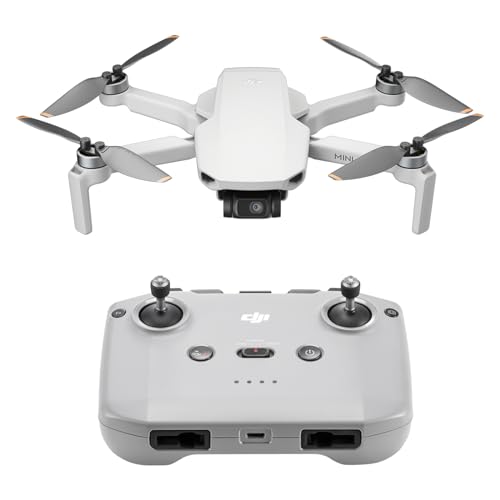
The DJI Mini 4 Pro is a powerhouse in a tiny package. It features a 1/1.3-inch CMOS sensor capable of 4K/60fps HDR video and 48MP photos. With omnidirectional obstacle sensing and ActiveTrack 360, it offers advanced safety and tracking. Weighing under 249g, it avoids many regulations.
Pros
- Excellent image quality
- Compact and lightweight
- Advanced obstacle avoidance
Cons
- Requires separate controller for full features
- Higher price
Autel Robotics EVO Nano+
The EVO Nano+ features a 1/1.28-inch sensor with RYYB filter for excellent low-light performance. It captures 4K/30fps video and 50MP photos. Its three-way obstacle avoidance and 28-minute flight time make it a strong competitor. The foldable design is slightly larger than DJI’s, but the camera quality is outstanding.
Pros
- Superb low-light camera
- High-resolution photos
- Solid build quality
Cons
- App interface less intuitive
- Shorter flight time than competitors

DJI Air 3
The DJI Air 3 is a more premium foldable drone with dual cameras: a wide-angle and a 3x medium telephoto. Both shoot 4K/60fps HDR video. It offers 46 minutes of flight time and omnidirectional obstacle sensing. This drone is heavier at 720g, so it requires registration in some regions.
Pros
- Dual cameras for versatile shots
- Long flight time
- Top-notch obstacle avoidance
Cons
- Heavier and less portable
- Expensive

Potensic Atom
The Potensic Atom offers a 4K camera with a 1/3-inch CMOS sensor, capturing smooth footage at 30fps. It features a 32-minute flight time and GPS-assisted flight. Weighing under 249g, it is portable and affordable, making it an excellent entry point.
Pros
- Very affordable
- Great beginner features
- Lightweight and easy to fly
Cons
- No obstacle avoidance
- Camera quality not as refined

Ruko F11 Pro
The Ruko F11 Pro is a budget-friendly drone with a 4K camera and a 30-minute flight time. It includes GPS, auto return, and follow me modes. The foldable design is sturdy, but the camera lacks gimbal stabilization, which can lead to shaky footage in windy conditions.
Pros
- Long flight time
- GPS features
- Good price
Cons
- No gimbal
- No obstacle sensing
Holy Stone HS720G
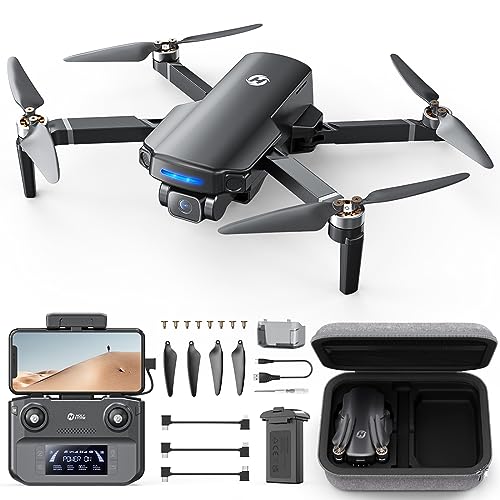
The Holy Stone HS720G features a 4K camera with EIS, GPS, and brushless motors. It offers a 26-minute flight time and comes with two batteries in the package. While it is foldable, it is heavier and less portable than others.
Pros
- Two batteries included
- GPS and auto return
- Brushless motors
Cons
- EIS not as good as a gimbal
- Heavier
Hubsan Zino Mini Pro
The Hubsan Zino Mini Pro is a compact drone with a 4K camera on a 1/1.3-inch sensor, capable of 48MP stills. It offers 40 minutes of flight time and has three-way obstacle sensing. Its weight of 249g keeps it in the sub-250g category.
Pros
- Excellent flight time
- Compact and light
- Good image quality
Cons
- App can be buggy
- No active tracking
Side by side
| # | Model | Camera | Best for | Score | Price |
|---|---|---|---|---|---|
| 1 | DJI Mini 4 Pro | 4K/60fps HDR, 48MP | Best overall for most users | 9.6 | Check price |
| 2 | Autel Robotics EVO Nano+ | 4K/30fps, 50MP | Best for camera enthusiasts who want 4K HDR and a larger sensor | 9.2 | Check price |
| 3 | DJI Air 3 | Dual 4K/60fps, 48MP | Best for photographers wanting dual cameras | 9.4 | Check price |
| 4 | Potensic Atom | 4K/30fps, 12MP | Best budget-friendly option for beginners | 8.8 | Check price |
| 5 | Ruko F11 Pro | 4K/30fps, 12MP | Best for beginners seeking long flight time and GPS features | 8.4 | Check price |
| 6 | Holy Stone HS720G | 4K/30fps, 12MP | Best for beginners looking for GPS and brushless motors on a budget | 8.0 | Check price |
| 7 | Hubsan Zino Mini Pro | 4K/30fps, 48MP | Best for portability and advanced features at a mid-range price | 8.7 | Check price |
Frequently asked questions
What is the best foldable drone for travel?
The DJI Mini 4 Pro is an excellent choice due to its sub-249g weight, compact size, and high-quality camera. It offers professional features without the need for registration in many regions. However, the Potensic Atom is a budget alternative if you are not ready to invest much.
Do all foldable drones weigh under 250g?
No, only some models like the DJI Mini 4 Pro, Autel EVO Nano+, and Potensic Atom are under 250g. Others like the DJI Air 3 weigh more and may require registration depending on local laws.
Can I fly a foldable drone in windy conditions?
Most foldable drones can handle light to moderate winds, but their ability depends on the drone’s weight and power. Heavier drones like the DJI Air 3 are more stable in wind. Lightweight drones may struggle in strong gusts.
What is the difference between 2-axis and 3-axis gimbals?
A 3-axis gimbal stabilizes roll, pitch, and yaw, providing smoother footage, especially during acceleration or turns. A 2-axis gimbal only stabilizes roll and pitch, so yaw movements can cause shaky video. Most quality drones feature a 3-axis gimbal.
Do I need a license to fly a foldable drone?
Regulations vary by country. In the US, drones under 250g used for recreational purposes may not require registration, but commercial use does. Drones over 250g require registration with the FAA. Always check local laws before flying.
How long does it take to charge a foldable drone battery?
Charging times vary, but most drone batteries take about 60 to 90 minutes to fully charge. Some models support fast charging with a compatible charger. Buying extra batteries can extend your flying time.
Can I fly a foldable drone in the rain?
No, most consumer drones are not waterproof. Flying in rain or high humidity can damage the electronics. Some drones have water-resistant features, but it is not recommended to fly in wet conditions.
What is the maximum transmission range of these drones?
Transmission range varies. DJI drones typically offer up to 10-12 km with FCC, while others like Potensic may have shorter ranges around 1-3 km. Actual range depends on interference and line of sight.
The bottom line
For the vast majority of users, the DJI Mini 4 Pro is the clear winner because it delivers professional-grade camera performance and safety features in a truly portable package. If your budget is tight, the Potensic Atom offers surprising quality at a fraction of the price, but you must accept the lack of obstacle avoidance. The DJI Air 3 is worth the extra weight for dual cameras and longer flight time, but it is not as travel-friendly. Ultimately, the best choice depends on how much you value portability versus camera versatility. For most, the Mini 4 Pro hits the sweet spot.