Pack N Play vs Travel Crib: Which Do You Need?
A Pack N Play is a multi-purpose playard built for use at home, at a relative’s house, or for overnight stays, with a mattress, bassinet insert, and sometimes a changing station. A travel crib is built almost entirely around portability, prioritizing light weight and small pack size for flights, hotels, and road trips. If most naps and overnights happen at home or nearby, a Pack N Play covers more use cases. If travel is frequent or air travel is involved, a dedicated travel crib is usually the better investment.
What Separates the Two Product Types
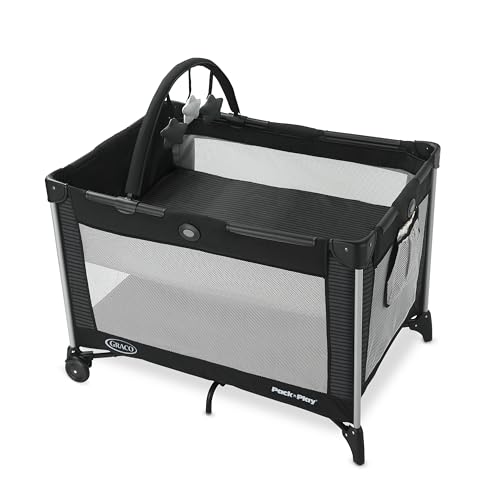
Pack N Play is technically a brand name (Graco), but it has become the generic term for full-featured playards. Based on manufacturer specs across major playard listings, these units typically weigh between 15 and 30 pounds, include a full-size bassinet or newborn insert, a bulkier steel frame, and sometimes attachable accessories like a changing table or storage yard. They fold down, but the folded size is closer to a duffel bag than a backpack, and most are not designed to be checked as standard airline luggage without an oversized-item fee.
A travel crib, by contrast, is engineered around a single priority: getting as light and compact as possible while still meeting the same safety standards. According to published product specs from brands in this category, travel cribs commonly weigh between 9 and 15 pounds and pack into a bag roughly the size of a large tent, small enough for many parents to carry as a second bag rather than checked luggage. The tradeoff is fewer built-in accessories and, in many models, a firmer or thinner mattress pad compared to a standard playard.
Both product types sold in the United States are required to meet the same CPSC safety standard for full-size and non-full-size baby cribs (16 CFR 1219 and 1220), so the safety floor is the same. The differences are in weight, pack size, mattress firmness, and the extra features layered on top.
When a Pack N Play Makes More Sense
Based on aggregated owner reviews, families who use their playard mostly at home, whether as a downstairs nap spot, a grandparent’s house staple, or an overnight bassinet for the first few months, tend to prefer the standard Pack N Play. The bassinet insert is useful for newborns since it raises the sleep surface to a more comfortable height for placing and lifting the baby, and the changing station attachment removes the need for a separate changing pad in a secondary room. Owners who rarely fly or drive long distances with the unit generally report that the extra weight is not a meaningful downside, since it mostly stays set up in one place.
When a Travel Crib Is the Better Choice
If flights, road trips, or frequent hotel stays are part of the plan, the calculus changes. Owner feedback aggregated across travel-crib listings consistently points to weight and pack size as the deciding factor, since a difference of even 10 pounds matters a great deal when carrying a car seat, a stroller, and a diaper bag through an airport at the same time. Many travel cribs also set up in under a minute with a single-pull or pop-up mechanism, compared to the multi-step fold-and-lock process on most standard playards. For a closer look at which specific models perform best on weight, pack size, and setup speed, see this best travel crib roundup.
Can One Product Cover Both Situations
Some families do try to use a single Pack N Play for both home and travel duty, and this can work for infrequent trips, but published weight specs suggest it becomes a hassle once travel happens more than a few times a year. On the other hand, using a travel crib as the sole sleep space at home is workable for many families, particularly past the newborn stage when the bassinet insert is no longer needed, though the firmer mattress pad is worth checking against age and comfort guidance from the manufacturer. For families who travel occasionally but still want a home base, owning both is not unusual, since the two products solve different problems rather than competing for the same one.
Frequently asked questions
Is a travel crib safe for daily, ongoing use, not just travel?
Yes, as long as it meets the applicable CPSC crib standard and is used within the manufacturer’s stated age and weight limits. Some parents do use a travel crib as a primary sleep space, particularly once the newborn bassinet stage has passed.
Do all Pack N Plays fit as checked airline luggage?
Not typically without paying an oversized or overweight bag fee, based on published dimensions from major playard brands. Most standard playards fold to a size closer to a large duffel than a standard suitcase.
Does a lighter travel crib mean a less safe one?
No. Weight relates to material choice and design, not to compliance with safety standards. Both product types sold in the US must meet the same CPSC crib regulations regardless of how light or compact they are.
Can a newborn sleep in a travel crib without a bassinet insert?
It depends on the specific model’s stated minimum age and any incline or newborn accessory it offers. Manufacturer guidelines vary, so checking the age and weight range listed for that specific travel crib is the most reliable way to confirm newborn suitability.