How to Prevent Swirl Marks When Washing a Car
Swirl marks are caused by tiny scratches in the clear coat, usually from dirt being dragged across the paint during washing or drying. The best way to prevent them is to use the two-bucket method, a soft microfiber wash mitt, and a lubricating car shampoo, then dry the surface without dragging a dry towel across it. Skipping automatic car washes with worn brushes and avoiding circular scrubbing motions also go a long way toward keeping paint free of that hazy, spiderweb look.
What Actually Causes Swirl Marks
Swirl marks show up as fine, circular scratches that become most visible in direct sunlight or under artificial light at an angle. According to detailing guides and paint manufacturers, they form when abrasive particles, dust, sand, or road grit, get trapped between a wash tool and the paint surface and are then rubbed across it. Automatic car washes with recycled brushes are a common source, since the same brushes that touched a dirty vehicle ahead of you may still be carrying grit. Hand washing with a dirty sponge, reusing a towel that has dropped on the ground, or wiping down a dusty car with a dry cloth can all produce the same effect. Based on aggregated owner reviews and detailing forums, most swirl marks are avoidable with a change in tools and technique rather than expensive correction products.
Wash Technique That Reduces Swirls
The two-bucket wash method is widely recommended by detailers because it physically separates dirty rinse water from clean soapy water. One bucket holds soapy solution, the other holds plain rinse water with a grit guard at the bottom to trap debris. After loading a wash mitt with suds, the mitt is dunked and rinsed in the second bucket before going back into the soap, which keeps grit from being reapplied to the paint on the next pass.
- Rinse the entire vehicle first to loosen loose dirt before any contact washing begins.
- Work top to bottom, since lower panels and wheel wells typically carry the heaviest grit.
- Use straight, light-pressure passes rather than tight circular scrubbing, which concentrates friction in one area.
- Choose a best car wash mitt made from soft microfiber or sheepskin rather than a synthetic sponge, since sponges tend to hold grit against the surface instead of lifting it away.
- Rinse and reload the mitt frequently, especially after washing lower body panels.
Drying Without Adding New Scratches
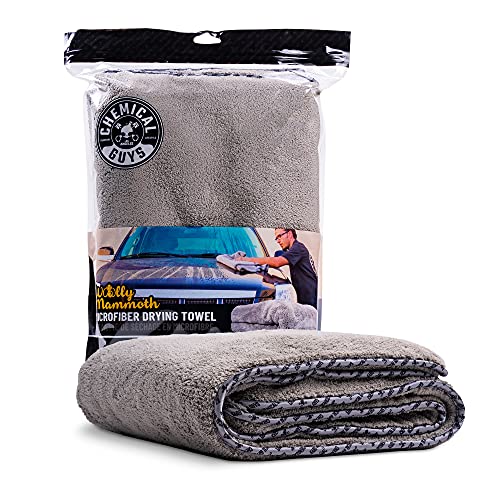
Drying is one of the most overlooked sources of swirl marks. Dragging a standard cotton towel across paint, even a clean one, can trap residual grit and create fresh scratches. Detailing manufacturers generally recommend a large, plush microfiber drying towel or a waffle-weave towel used with a blotting or gentle pulling motion rather than wiping back and forth. A dedicated drying aid or quick detailer spray, applied as a light mist, adds lubrication so the towel glides rather than drags. Air-assisted dryers or blowers are another option favored in owner reviews because they remove water without any towel contact at all, though they take more time than a towel dry.
Common Mistakes That Cause Swirl Marks
A few habits consistently show up in complaints about swirl-marked paint. Washing in direct sunlight causes soap and water to dry quickly, leaving mineral deposits and residue that get worked into the surface. Using dish soap instead of a pH-balanced car shampoo strips protective wax and leaves paint more exposed to friction damage. Reusing the same towel or mitt across multiple wash sessions without proper laundering allows dried grit to remain embedded in the fibers, effectively turning a wash tool into fine sandpaper. Finally, tight circular polishing motions during hand washing concentrate scratches in a small area, which is why straight-line passes are generally preferred by detailing professionals.
Frequently asked questions
Can swirl marks be removed once they appear?
Light swirl marks can often be reduced with a dedicated paint polish or swirl remover applied by hand or with a dual-action polisher, based on manufacturer instructions for these products. Deeper marks may require professional paint correction.
Do ceramic coatings prevent swirl marks?
Ceramic coatings add a hard, slick protective layer that can make it harder for dirt to stick and easier to wash away, but they do not make paint scratch-proof. Careful wash technique is still necessary even with a coating applied.
Is it better to wash a car in the shade?
Yes. Washing in the shade or during cooler parts of the day slows evaporation, giving soap and water more time to lift dirt before it dries on the surface and leaves residue behind.
How often should a wash mitt be replaced?
Most detailing guides suggest replacing a wash mitt once the fibers feel matted, stiff, or worn, and washing it after every use to keep grit from building up inside the fibers over time.