3 Season Sleeping Bags Worth Packing for Every Trip
The Kelty Cosmic 20 Down leads for its warmth-to-weight balance and fair pricing. The Marmot Trestles Elite Eco 20 is the standout synthetic all-rounder, while the TETON Sports Tracker 5 gives budget campers a roomy, warm option that packs down reasonably well.
For most campers, the Kelty Cosmic 20 Down is the easiest 3 season sleeping bag to recommend thanks to its 20 degree rating, compressible down fill, and reasonable price. If you prefer synthetic insulation that shrugs off damp nights, the Marmot Trestles Elite Eco 20 is the better fit.
Choosing a 3 season bag is tricky because a single temperature number rarely tells the whole story: fill power, shell fabric, and hood design all change how warm you actually sleep. We compared seven widely sold bags on their published temperature ratings, insulation type, weight, and how small they pack, then grouped them by who each one suits best.
The top picks, ranked

Kelty Cosmic 20 Down Sleeping Bag
The Cosmic 20 pairs 550 fill power DriDown with a snug mummy cut, giving you real cold-weather backup without a punishing weight penalty. Owners report it stays warm at its rating and stuffs down small for the money.
Pros
- Strong warmth for the weight
- Compresses well for backpacking
- Water-resistant down treatment
Cons
- Snug fit for broad sleepers
- Down loses loft if stored compressed

Marmot Trestles Elite Eco 20 Sleeping Bag
Built with recycled synthetic insulation, the Trestles Elite Eco 20 keeps insulating even when it picks up moisture, making it a dependable pick for humid or unpredictable conditions. A layered fill construction helps it stay lofted through the night.
Pros
- Performs when damp
- Made with recycled materials
- Roomy footbox
Cons
- Heavier than a down equivalent
- Bulkier packed size

TETON Sports Tracker 5 Sleeping Bag
The Tracker 5 gives cost-conscious campers a warm, roomy mummy bag with a draft tube and cinchable hood. Based on its specifications it leans toward car camping and shoulder-season trips where a little extra weight is acceptable.
Pros
- Very warm for the price
- Comfortable interior room
- Includes compression sack
Cons
- Heavy for backpacking
- Larger packed size

NEMO Forte Endless Promise 20 Sleeping Bag
The Forte uses a spoon shape that widens at the elbows and knees, so side sleepers get room to shift without cold spots. Thermo Gills near the chest let you dump heat on warmer nights, adding useful range to a 3 season kit.
Pros
- Extra room for restless sleepers
- Vents to prevent overheating
- Fully recyclable design
Cons
- Costs more than basic mummy bags
- Spoon shape adds a little bulk
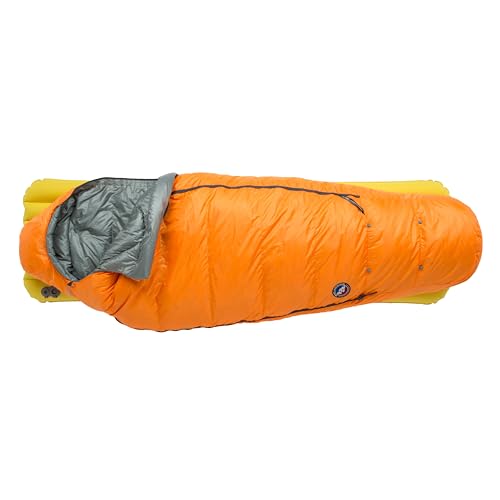
Big Agnes Torchlight UL 20 Sleeping Bag
The Torchlight UL 20 packs treated down into a lightweight shell and adds expandable side panels so you can widen the bag when you want more room. It targets weight-conscious hikers who still value a little adjustability.
Pros
- Very light and packable
- Adjustable width panels
- High fill power down
Cons
- Premium price
- Needs a pad sleeve on the back

Sierra Designs Get Down 20 Sleeping Bag
The Get Down 20 brings water-repellent down to a friendlier price with a self-sealing zipper and a soft hood. It suits campers who want the compressibility of down without stretching for a top-tier bag.
Pros
- Affordable down warmth
- Snag-free zipper
- Packs down smaller than synthetic
Cons
- Lower fill power than premium bags
- Hood cinch feels basic

Coleman Brazos Cold Weather Sleeping Bag
The Brazos is a rectangular synthetic bag aimed at casual campers who want simple warmth and easy cleanup. Owners report it works well for milder 3 season nights and washes up in a standard machine.
Pros
- Very low cost
- Machine washable
- Roomy rectangular cut
Cons
- Not warm enough for cold nights
- Bulky and heavy to carry
The lineup, side by side
| # | Model | Temperature rating | Best for | Score | Price |
|---|---|---|---|---|---|
| 1 | Kelty Cosmic 20 Down Sleeping Bag | 20 F | Best overall | 9.4 | Check price |
| 2 | Marmot Trestles Elite Eco 20 Sleeping Bag | 20 F | Best synthetic | 9.1 | Check price |
| 3 | TETON Sports Tracker 5 Sleeping Bag | 5 F rated, 3 season use | Best value | 8.9 | Check price |
| 4 | NEMO Forte Endless Promise 20 Sleeping Bag | 20 F | Best for side sleepers | 8.8 | Check price |
| 5 | Big Agnes Torchlight UL 20 Sleeping Bag | 20 F | Best for backpacking | 8.7 | Check price |
| 6 | Sierra Designs Get Down 20 Sleeping Bag | 20 F | Best down on a budget | 8.5 | Check price |
| 7 | Coleman Brazos Cold Weather Sleeping Bag | About 30 F comfort range | Best budget | 8.0 | Check price |
How to choose
Match the temperature rating to your trips A 3 season bag usually carries a rating between 15 and 32 degrees. Temperature ratings mark survival or lower-limit numbers, not the point where you sleep comfortably, so pick a bag rated roughly 10 degrees colder than the lowest night you expect. A sleeping pad with decent insulation adds warmth that no bag number captures on its own.
Down versus synthetic insulation Down compresses smaller and lasts longer, which backpackers value, but it loses loft when wet unless it is treated. Synthetic fill keeps insulating when damp and costs less, at the price of more weight and bulk. Owners in humid climates often prefer treated down or synthetic, while dry-weather hikers lean toward down for the packed size.
Weight, packed size, and shape Mummy bags trap heat efficiently and pack small, while rectangular bags trade warmth for room. If you carry your gear far, favor a lighter mummy in the 2 to 3 pound range. Car campers can accept heavier bags with more space. Check the compressed dimensions against your pack before you buy.
Fit, features, and care A draft collar, hood cinch, and full-length zipper baffle all reduce heat loss on cold nights. Longer or broader sleepers should confirm the length and shoulder girth. To keep any bag warm over time, store it loose in a large cotton or mesh sack rather than crushed in its stuff sack between trips.
Frequently asked questions
What temperature rating counts as 3 season?
Most 3 season sleeping bags fall between 15 and 32 degrees. That range covers spring, summer, and fall camping in temperate areas but is not meant for deep winter cold.
Is down or synthetic better for a 3 season bag?
Down packs smaller and lasts longer, which suits backpackers. Synthetic keeps you warmer when wet and costs less, so it works well in damp climates or for casual campers.
How much should a 3 season sleeping bag weigh?
Backpacking down bags often weigh 2 to 3 pounds, while synthetic and car-camping bags can run 3 to 4 pounds. Lighter usually means smaller packed size and a higher price.
Do I need a sleeping pad with a 3 season bag?
Yes. A pad blocks cold from the ground, which a bag alone cannot do. Pairing your bag with an insulated pad often makes a bigger warmth difference than the bag rating itself.
How do I make a sleeping bag warmer?
Use an insulated pad, wear a base layer and hat, add a liner, and eat a warm snack before bed. Cinching the hood and draft collar also keeps more heat inside the bag.
How should I store my sleeping bag between trips?
Store it loosely in a large mesh or cotton sack so the insulation stays lofted. Keeping it crammed in a stuff sack long term flattens the fill and reduces warmth over time.
Can I wash a 3 season sleeping bag?
Many synthetic bags are machine washable on gentle, and down bags can be washed with a special down cleaner. Always check the care label and dry down fully to restore loft.
What size sleeping bag should I get?
Choose a length that fits your height with a little room to spare, and check shoulder girth if you are broad or a restless sleeper. A bag that is too large leaves cold air pockets to heat.
Our pick
For most campers the Kelty Cosmic 20 Down offers the best mix of warmth, weight, and price in a 3 season bag. Choose the Marmot Trestles Elite Eco 20 if you camp in damp conditions and want synthetic reliability, or the TETON Sports Tracker 5 when comfort and budget matter more than pack size.