Top 35mm Film Picks for Every Style and Budget
For most shooters, Kodak Portra 400 is the top pick. It offers beautiful skin tones and fine grain, and it handles a wide range of lighting. Its main limitation is cost, as it is one of the pricier color negative films.
Choosing the right 35mm film can dramatically affect your photos. Different films excel in different situations, from vibrant daylight to moody low light.
We compared seven top-selling films, each with distinct characteristics. Whether you shoot portraits, landscapes, or everyday scenes, there is a film that fits your needs.
How to choose
Our top picks

Kodak Portra 400
Kodak Portra 400 is a professional color negative film renowned for its natural skin tones, fine grain, and wide exposure latitude. It handles both bright and low light situations gracefully, making it a favorite among portrait and documentary photographers.
Pros
- Excellent skin tones
- Fine grain
- Forgiving exposure latitude
Cons
- Pricey
- Can be hard to find in stock

Fujifilm Fujicolor C200
Fujicolor C200 is an affordable color negative film with a classic look. It produces slightly muted colors and a bit more contrast than Portra, making it a great choice for everyday photography and travel.
Pros
- Very affordable
- Good color accuracy
- Widely available
Cons
- More noticeable grain
- Less latitude than Portra

Ilford HP5 Plus 400
Ilford HP5 Plus is a high-speed black and white film with a classic, timeless look. It offers a wide tonal range, forgiving exposure, and responds well to push processing. It’s a go-to for street and documentary photographers.
Pros
- Excellent tonal range
- Great for push processing
- Classic grain structure
Cons
- Requires development
- Not for color shooters

Kodak Ektar 100
Kodak Ektar 100 is a high-saturation color negative film that delivers ultra-vivid colors and extremely fine grain. It’s ideal for landscapes and travel photography where you want punchy, saturated images.
Pros
- Highly saturated colors
- Extremely fine grain
- Sharp detail
Cons
- Low speed for low light
- Can be too contrasty for portraits
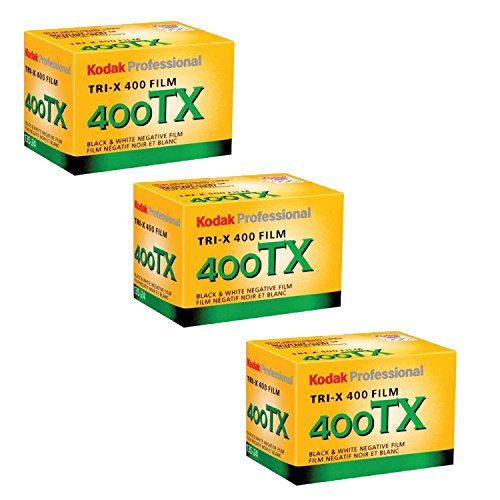
Kodak Tri-X 400
Kodak Tri-X 400 is a legendary black and white film with a rich history. It offers a distinctive grain and high contrast that many photographers love, and it pushes beautifully up to 3200.
Pros
- Iconic look
- Excellent for pushing
- Wide availability
Cons
- More grain than HP5
- Requires development

Fujifilm Velvia 50
Fujifilm Velvia 50 is a professional slide film known for its extremely vivid colors and high contrast. It is favored by landscape photographers for its ability to capture intense greens and blues.
Pros
- Exceptional color saturation
- Very fine grain
- High resolution
Cons
- Very low speed
- Requires E-6 processing (less common)

Kodak Gold 200
Kodak Gold 200 is a classic consumer film that offers warm tones and decent sharpness at an attractive price. It’s a great choice for beginners and casual shooters who want a reliable all-around film.
Pros
- Very affordable
- Warm color rendition
- Good for beginners
Cons
- Coarser grain
- Limited dynamic range
Compared at a glance
| # | Model | ISO | Best for | Score | Price |
|---|---|---|---|---|---|
| 1 | Kodak Portra 400 | 400 | Portrait and wedding photography | 9.4 | Check price |
| 2 | Fujifilm Fujicolor C200 | 200 | Budget-friendly daylight shooting | 8.8 | Check price |
| 3 | Ilford HP5 Plus 400 | 400 | Classic black and white photography | 9.1 | Check price |
| 4 | Kodak Ektar 100 | 100 | Vivid color landscapes and travel | 8.9 | Check price |
| 5 | Kodak Tri-X 400 | 400 | Street and documentary photography | 9.2 | Check price |
| 6 | Fujifilm Velvia 50 | 50 | Landscape and nature slide photography | 8.7 | Check price |
| 7 | Kodak Gold 200 | 200 | Casual and everyday shooting | 8.5 | Check price |
Frequently asked questions
What is the best 35mm film for beginners?
Kodak Gold 200 is a great starting point due to its low cost and forgiving nature. It produces decent results in daylight and is widely available.
Is ISO 400 film good for all situations?
ISO 400 film is versatile and can be used in many lighting conditions. It works well outdoors and in moderate indoor light without flash.
What film gives the most natural skin tones?
Kodak Portra 400 is famous for its natural skin tones, making it a top choice for portrait photographers.
Can I push process black and white film?
Yes, many black and white films like Ilford HP5 and Kodak Tri-X can be pushed up to 3200 or higher, though grain and contrast increase.
Is slide film better than negative film?
Slide film offers vibrant colors and fine grain, but it has less exposure latitude and requires E-6 processing. Negative film is more forgiving.
How many shots are on a roll of 35mm film?
Most rolls come with 36 exposures, but some are 24 or 12. Check the box before buying.
Does film expire?
Yes, film has an expiration date. Expired film can show color shifts and reduced contrast. Store film in a cool, dry place.
What is the best film for landscapes?
For landscapes, Kodak Ektar 100 and Fujifilm Velvia 50 are popular due to their fine grain and vivid color saturation.
Can I use 35mm film in any camera?
Only in cameras that accept 35mm film cartridges. Check your camera model before loading.
Where can I get film developed?
Many local photo labs and some drugstores offer C-41 development. For black and white or E-6, you may need a specialized lab or do it at home.
The verdict
For the best all-around performance, choose Kodak Portra 400. It delivers beautiful colors and fine grain, making it ideal for portraits and everyday shooting. If you are on a budget, Kodak Gold 200 is a solid choice. For black and white lovers, Ilford HP5 Plus offers classic results. Ultimately, your choice depends on your subject and style, but Portra 400 is a safe and rewarding pick.


