Air Dry Clay Compared by Shrinkage, Texture and Cure Time
Das Air-Hardening Modeling Clay suits detailed sculpting thanks to its fine texture and low shrinkage. Crayola Air-Dry Clay fits classrooms because it washes off with water. AMACO Marblex gives the densest, most kiln-like finish for lasting pieces.
No kiln, no oven: air dry clay firms up at room temperature over one to three days.
Shrinkage, crack resistance and how well each brand holds fine detail vary by composition, so we compared ingredients and cure behavior rather than color range.
What matters most
What is air dry clay made of? Cellulose fiber, paper pulp or earthenware particles bind water into a workable paste that hardens as it evaporates. Composition drives both shrinkage rate and final hardness. Fiber-based clays like Das crack less than pure earthenware types do.
How do you choose a texture for your project? Fine, sandable clays such as La Doll or Das suit miniatures and detailed figures. Denser earthenware clays like Marblex hold up better in larger sculptural pieces. Jovi and Crayola offer a softer, more forgiving material when a project calls for easy kneading.
Which clay works best for a classroom or homeschool group? Resealable tubs survive multiple sessions without drying out, including Crayola’s 2.5 pound tub and Sargent Art’s 5 pound size. Cost per pound drops significantly at bulk sizes, a real factor for group projects. Nontoxic, washable formulas matter more here than fine detail.
How do you keep a thick piece from cracking as it dries? Thick clay cracks more often than thin clay, since the outer layer dries faster than the core. Wrapping large pieces loosely in plastic slows drying and cuts stress cracks. Foil or wire armatures also help thick sculptures hold their shape while curing.
What we recommend

Das Air-Hardening Modeling Clay
Fine, smooth texture holds crisp detail on figurines and miniatures. This Italian-made clay dries to an ivory-white finish that takes acrylic paint with no primer needed. Owners report minimal cracking on pieces under half an inch thick.
Pros
- Holds fine detail well
- Low shrinkage compared to earthenware clays
- Paints without a primer coat
Cons
- Dries out quickly once opened
- Thicker pieces need reinforcement to avoid cracking

Crayola Air-Dry Clay
A resealable 2.5 pound tub stays workable across repeated classroom sessions. Nontoxic ingredients wash off hands and most surfaces with plain water. Soft consistency makes kneading easier for small hands than firmer sculpting clays allow.
Pros
- Nontoxic and easy to clean up
- Resealable tub extends shelf life
- Soft texture works for younger kids
Cons
- Less detail retention than sculpting-grade clay
- Shrinks noticeably as it dries

AMACO Marblex Self-Hardening Clay
Denser, grittier texture puts this clay closer to traditional earthenware than most air dry brands. A kiln can harden it further, or it can air cure for lighter-duty projects. Larger sculptures keep their shape better during drying than softer clays manage.
Pros
- Holds structural shape in larger pieces
- Optional kiln firing for extra hardness
- Bulk sizes reduce cost per project
Cons
- Coarser texture limits fine detail
- Heavier and messier to store
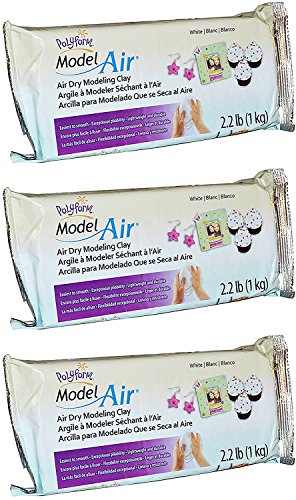
Sculpey Air-Dry White Clay
Bright white cured finish shows paint colors accurately without a base coat underneath. Working time lasts longer than several competitors before the clay needs rehydration. Thin details, like fingers on figures, dry with little shrinkage.
Pros
- Bright white base shows paint clearly
- Stays workable longer than average
- Low cost per project
Cons
- Smaller package size than bulk options
- Can feel tacky in humid conditions

Jovi Air Dry Modeling Clay
Soft, pliable consistency resists cracking on first attempts at hand building. This Spanish-made clay ships in a resealable bag rather than a tub, which stores flat more easily. Beginners get extra working time before the surface starts to skin over.
Pros
- Forgiving texture for first-time sculptors
- Resists cracking during hand building
- Gluten-free composition
Cons
- Softer finished hardness than Das or Marblex
- Limited color range compared to polymer clays
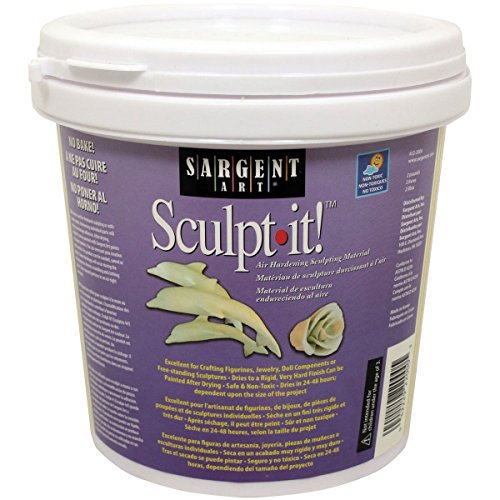
Sargent Art Air Dry Clay
A 5 pound reusable tub is built for repeated classroom or homeschool sessions. Consistency sits between Crayola’s soft texture and Das’s firmer feel, so it suits a range of grade levels. Sealed tub storage keeps unused clay from drying out between uses.
Pros
- Large tub covers multiple class sessions
- Reusable container reduces waste
- Medium texture suits varied skill levels
Cons
- Less fine detail than sculpting-grade brands
- Heavier tub is less portable

Grey Premium Air Dry Clay by La Doll
Sub-millimeter detail is the whole point of this clay, aimed at miniature and doll-making work. Fine paper-based composition sands smooth after drying, unlike coarser earthenware clays. Small parts, like fingers or facial features, hold shape through the full cure.
Pros
- Sands to a smooth finish after drying
- Excellent for sub-millimeter detail
- Lightweight for small figures
Cons
- Not suited for large sculptural pieces
- Higher cost per ounce than bulk clays
The lineup, side by side
| # | Model | Composition | Best for | Score | Price |
|---|---|---|---|---|---|
| 1 | Das Air-Hardening Modeling Clay | Cellulose fiber and clay | Best overall | 9.4 | Check price |
| 2 | Crayola Air-Dry Clay | 2.5 lb tub | Best for kids and classrooms | 9.1 | Check price |
| 3 | AMACO Marblex Self-Hardening Clay | Earthenware-based clay | Best for durable finished pieces | 8.9 | Check price |
| 4 | Sculpey Air-Dry White Clay | 1 lb block | Best value | 8.7 | Check price |
| 5 | Jovi Air Dry Modeling Clay | Natural clay, gluten free | Best for beginners | 8.5 | Check price |
| 6 | Sargent Art Air Dry Clay | 5 lb tub | Best for bulk school orders | 8.2 | Check price |
| 7 | Grey Premium Air Dry Clay by La Doll | Paper fiber and clay blend | Best for miniature figures | 8.0 | Check price |
Common questions
What is the difference between air dry clay and polymer clay?
Air dry clay cures at room temperature over one to three days. Polymer clay needs baking in a home oven to harden fully.
Does air dry clay shrink as it dries?
Most brands shrink slightly, typically under 10 percent, as water evaporates during the cure.
Can air dry clay go in a kiln?
Only earthenware-based clays like AMACO Marblex are built for optional kiln firing. Most air dry brands are not kiln safe.
Is air dry clay safe for kids?
Crayola and Sargent Art are formulated nontoxic and washable, which suits classroom and home use well.
Air dry clay vs oven bake clay, which lasts longer?
Oven bake polymer clay tends to resist water and last longer. Air dry clay pieces can stay fragile without a sealant coat.
How long does air dry clay take to fully harden?
Thin pieces under a quarter inch dry in about 24 hours. Thicker sculptures can take several days to cure through the core.
Can you paint air dry clay after it dries?
Acrylic paint adheres well to most cured air dry clay. Das, in particular, accepts paint without a primer coat.
What is the best air dry clay for miniatures and detail work?
Fine, paper-based clays like La Doll or Das hold sub-millimeter detail better than coarser earthenware options.
Which air dry clay is best for beginners?
Jovi’s soft, pliable texture resists cracking during first attempts at hand building, giving new sculptors forgiving working time.
Is air dry clay good for large sculptures?
AMACO Marblex handles bulk and large forms best, since its denser earthenware base holds shape as bigger pieces dry.
Our take
Das Air-Hardening Modeling Clay offers the best balance of detail retention and low shrinkage for most sculpting work. Classrooms should lean toward Crayola or Sargent Art for cost and cleanup, while durable display pieces favor AMACO Marblex.