All Season Tires Ranked for Wet Grip and Wear Life
The Michelin CrossClimate2 is our overall pick, carrying a severe snow rating alongside strong wet performance. The Continental TrueContact Tour leads on treadwear warranty and rolling efficiency, while the General AltiMAX RT45 covers the essentials at a lower outlay.
The Michelin CrossClimate2 heads this list because it carries the three peak mountain snowflake rating that most all season tires do not, while still behaving like a normal touring tire the rest of the year. The Continental TrueContact Tour is the choice when longevity and fuel efficiency matter most, and the General AltiMAX RT45 delivers competent all round performance for less.
All season is a broad label covering everything from grand touring tires that barely cope with slush to genuine all weather designs rated for severe snow. We compared published treadwear warranties, snow ratings, tread compound descriptions and size availability across current models, alongside recurring owner feedback about noise and wet performance, then ranked on how well each balances the compromises the category demands.
Our top picks

Michelin CrossClimate2
The CrossClimate2 sits in the all weather subcategory, carrying the three peak mountain snowflake symbol that certifies genuine snow traction rather than the basic mud and snow marking. Its V shaped directional tread and thermal adaptive compound stay flexible in cold without turning greasy in summer heat. Owners in regions with occasional snow report it removes the need for a seasonal changeover.
Pros
- Certified snow traction unusual in this class
- Strong wet braking performance
- Removes the need for winter tires in mild climates
Cons
- Highest outlay in this roundup
- Shorter warranty than dedicated touring tires

Continental TrueContact Tour
Continental aims this squarely at high mileage drivers, pairing a long treadwear warranty with a compound designed to lower rolling resistance and help fuel economy. Wet braking is a strength, helped by the tread’s water evacuation grooves. It is a touring tire rather than an all weather one, so treat deep snow as outside its remit.
Pros
- One of the longest warranties in the class
- Low rolling resistance helps economy
- Quiet on the motorway
Cons
- No severe snow certification
- Less capable than the CrossClimate2 in slush

General AltiMAX RT45
General is Continental’s value brand, and the RT45 shows that lineage with a long warranty and a tread design that handles wet roads competently. It is the sensible choice for a commuter car where the tires simply need to be dependable and last. Refinement is a step behind the premium options, particularly on coarse surfaces.
Pros
- Long warranty for the outlay
- Replacement tire monitor shows wear at a glance
- Competent in the wet
Cons
- Noisier than premium touring tires
- Limited winter capability

Goodyear Assurance WeatherReady
WeatherReady is Goodyear’s answer to the CrossClimate2, carrying a severe snow rating and using biting edges that stay effective as the tread wears down. It is the alternative all weather option if the Michelin is unavailable in your size. Treadwear warranty is shorter than the touring tires here, which is the usual cost of a softer winter capable compound.
Pros
- Certified for severe snow service
- Grip holds up as tread wears
- Good SUV size availability
Cons
- Shorter warranty than touring rivals
- Firmer ride than the Bridgestone
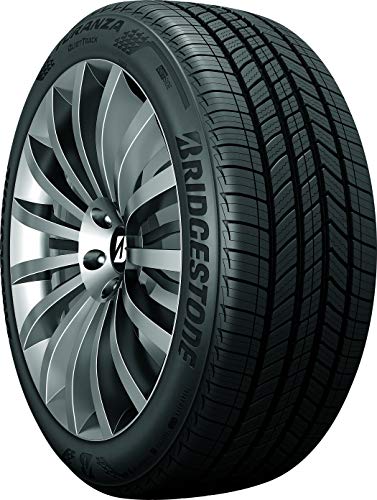
Bridgestone Turanza QuietTrack
Bridgestone engineered this specifically around cabin noise, using tread noise reduction chambers and a compound tuned for comfort. On a long motorway journey it is noticeably calmer than most of this list. That focus comes at some cost to outright handling response, which suits saloons more than sports models.
Pros
- Quietest option in this roundup
- Long treadwear warranty
- Comfortable over broken surfaces
Cons
- Less sharp steering response
- Not severe snow rated
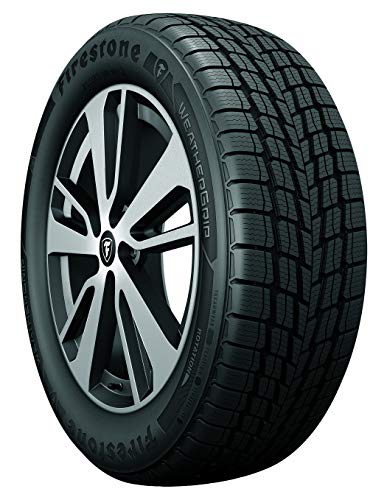
Firestone WeatherGrip
WeatherGrip is the cheapest way onto a severe snow rated all season tire, which makes it worth knowing about in regions that get real winter but not enough to justify a second set of wheels. Dry handling and refinement sit below the premium options. For a second car or a commuter in a snowy area, the trade is a reasonable one.
Pros
- Severe snow rating at a lower outlay
- Full depth sipes keep working as it wears
- Reasonable warranty for the class
Cons
- Less refined than premium all weather tires
- Dry handling is merely adequate
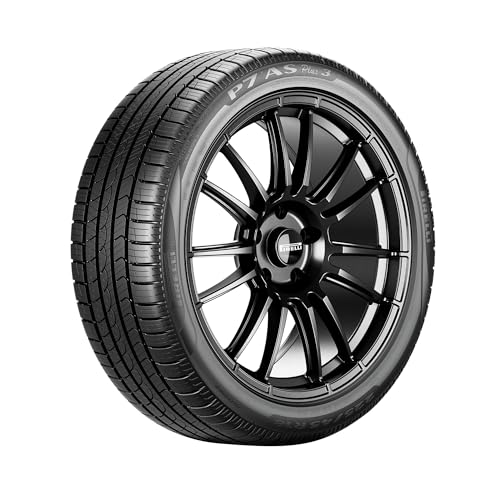
Pirelli Cinturato P7 All Season Plus 3
Pirelli positions this as a grand touring all season, prioritising steering response and dry grip over maximum tread life. It suits sports saloons and anyone who notices vague steering on comfort oriented rubber. The firmer construction transmits more road surface into the cabin, which is the price of that responsiveness.
Pros
- Sharpest steering feel here
- Strong dry grip for the category
- Good performance size availability
Cons
- Firmer ride than touring rivals
- Winter capability limited to light conditions
How to pick the right one
Understand what the snowflake symbol means Most all season tires carry a mud and snow marking, which is a tread pattern description rather than a performance test. The three peak mountain snowflake symbol is different: it certifies the tire passed a defined snow traction test. If you see real snow more than a couple of times a winter, restrict your shortlist to snowflake rated models such as the CrossClimate2, WeatherReady or WeatherGrip.
Treadwear warranty is a useful comparison, not a promise Manufacturers set warranty mileage based on their own compound testing, and it is a reasonable way to compare longevity between tires. What it does not account for is your alignment, inflation discipline and driving style, all of which move real tread life substantially. Treat an eighty thousand mile warranty as evidence of a hard wearing compound rather than a guarantee of the mileage.
Wet braking matters more than dry grip for most drivers Dry grip in an ordinary car is rarely the limiting factor on a public road. Wet stopping distance is, and it is where all season tires vary most, particularly as they wear. The tread depth at which a tire loses wet performance is well before the legal minimum, so replacing at around three millimetres rather than running to the wear bars makes a real difference in the rain.
Match the compromise to your actual climate All season is inherently a compromise, and the right one depends on where you drive. Mild winters with occasional frost suit a long wearing touring tire such as the TrueContact Tour. Regular snow suits an all weather design, accepting the shorter tread life. Based on the specifications these manufacturers publish, no single tire wins on both fronts, so decide which season you need it to be good at.
Side by side
| # | Model | Snow rating | Best for | Score | Price |
|---|---|---|---|---|---|
| 1 | Michelin CrossClimate2 | Three peak mountain snowflake | Best overall | 9.4 | Check price |
| 2 | Continental TrueContact Tour | Mud and snow only | Best treadwear | 9.2 | Check price |
| 3 | General AltiMAX RT45 | Mud and snow | Best value | 9.0 | Check price |
| 4 | Goodyear Assurance WeatherReady | Three peak mountain snowflake | Best for mixed weather | 8.8 | Check price |
| 5 | Bridgestone Turanza QuietTrack | Mud and snow | Best for quiet ride | 8.6 | Check price |
| 6 | Firestone WeatherGrip | Three peak mountain snowflake | Best budget winter capability | 8.3 | Check price |
| 7 | Pirelli Cinturato P7 All Season Plus 3 | Mud and snow | Best for performance cars | 8.0 | Check price |
Common questions
Are all season tires good enough for winter?
It depends on the tire and the winter. Standard all season tires handle cold and light slush but lose grip in real snow. Snowflake rated all weather models are certified for snow traction and cope far better, though dedicated winter tires still beat them in severe conditions.
What is the difference between all season and all weather tires?
All weather is an informal term for all season tires that carry the three peak mountain snowflake rating. They use softer compounds that stay flexible in cold, at the cost of some tread life. The CrossClimate2, WeatherReady and WeatherGrip in this list fall into that group.
How long do all season tires last?
Treadwear warranties in this roundup run from around sixty thousand to eighty thousand miles, with the touring focused models at the higher end. Actual life depends heavily on alignment, inflation and how the car is driven, so regular rotation is the cheapest way to reach the higher figure.
Do I need to replace all four tires at once?
On all wheel drive cars, generally yes, because mismatched circumferences stress the drivetrain. On two wheel drive cars you can replace in pairs, and the new pair should go on the rear axle regardless of which wheels drive, since that keeps the stable end of the car planted in the wet.
When should all season tires be replaced?
Legal minimums are lower than the point at which wet performance falls off. Most tire engineers suggest replacing around three millimetres of remaining tread for wet safety, and sooner for snow rated tires used in winter, since sipe depth is what provides the snow grip.
Does tire pressure matter more in winter?
Pressure drops as temperature falls, roughly one psi for every ten degrees Fahrenheit, so a tire correct in autumn will be under inflated by midwinter. Checking monthly through the cold months protects both wear and wet grip.
Are quieter tires worth paying for?
If your car already has good sound insulation the difference is modest. In an older or lighter car, tire noise dominates at motorway speed and a design like the Turanza QuietTrack changes the character of long journeys noticeably.
Can I mix all season tires with winter tires?
It is not advisable. Mixing tire types front to rear gives the axles different grip characteristics, which makes the car behave unpredictably in exactly the conditions where you need it to be predictable. Fit a matched set.
Our take
For most drivers who see occasional snow, the Michelin CrossClimate2 is the tire that removes the seasonal changeover without giving up wet performance the rest of the year. High mileage commuters in milder climates will get more from the Continental TrueContact Tour, which trades winter certification for a longer warranty and better economy. On a tighter budget the General AltiMAX RT45 covers the fundamentals well, and the Firestone WeatherGrip is the cheapest route to genuine snow certification.