Archery Targets Ranked by Stopping Power and Pull
Morrell’s Yellow Jacket YJ-450 absorbs the fastest compound arrows while still releasing them one handed. Block Classic 18 gives four shootable sides for field point volume. Shooting broadheads changes the answer to the Rinehart 18-1, whose self healing foam closes back around every hole.
Most archers should start with the Morrell Yellow Jacket YJ-450. It swallows high speed compound arrows and still lets you pull them one handed. Broadhead shooters want the Rinehart 18-1 instead, while the Block Classic 18 covers everyday field point practice at lower outlay.
Target choice pulls in two directions at once. Stopping a fast arrow demands density, yet density is exactly what makes shafts hard to extract afterwards. We compared published speed ratings, broadhead compatibility, face counts and replacement core availability. Owner reports on pull force after a few hundred shots settled the close calls.
Our top picks

Morrell Yellow Jacket YJ-450 Field Point Bag Target
Woven cover and dense fill absorb arrows from high speed compound bows without letting them pass through. Aiming faces print on both sides, so wear rotates across several centers before the bag retires. Removal stays a one handed job, which is what keeps long volume sessions enjoyable.
Pros
- Stops fast compound arrows without pass through
- One hand extraction even when the bag is new
- Several aim points spread the wear around
Cons
- Broadheads will cut the cover apart
- Needs covered storage between sessions

Block Classic 18 Archery Target
Open layered foam grips the shaft along its length instead of clamping the point. That friction stop is why arrows slide out with far less effort than dense foam blocks demand. Four sides carry printed aim points, and a molded handle makes it easy to carry out to a garden lane.
Pros
- Friction stopping keeps pull force low
- Four usable sides double the effective life
- Light enough to move with one hand
Cons
- Center layers open up after heavy use
- Rain accelerates the breakdown of the foam

Rinehart 18-1 Broadhead Target
Self healing foam closes around the hole rather than tearing, which is what lets cutting heads go in repeatedly. Eighteen shootable sides spread wear across a large surface before the target is finished. A replaceable center insert is offered, so the middle can be renewed without buying a whole new target.
Pros
- Takes broadheads without opening up
- Eighteen faces stretch the usable life
- Copes with outdoor exposure better than bags
Cons
- Broadhead removal takes real force
- Heaviest option to carry and store

Hurricane H-25 Bag Target
Woven cover and dense fill aim at recurve shooters and moderate speed compounds rather than the quickest bows. Printed aim points appear on both faces, and low weight lets a younger archer reposition it alone. Owners report it holds together well as long as the speed rating is respected.
Pros
- Cheapest route to a lot of shootable face
- Easy extraction suits younger archers
- Light enough for a child to move
Cons
- Fast compounds drive arrows deep
- Cover frays sooner than premium bags

Delta McKenzie Speed Bag Crossbow Target
Crossbow bolts arrive carrying far more energy than most vertical bow arrows deliver. Dense fill and a reinforced cover handle that load without swallowing the bolt beyond recovery. Field points work here too, though a recurve archer gains nothing from the extra mass.
Pros
- Sized for the energy a crossbow actually delivers
- Bolt removal stays manageable
- Reinforced cover resists edge tearing
Cons
- Heavy to reposition between distances
- More target than a light compound needs
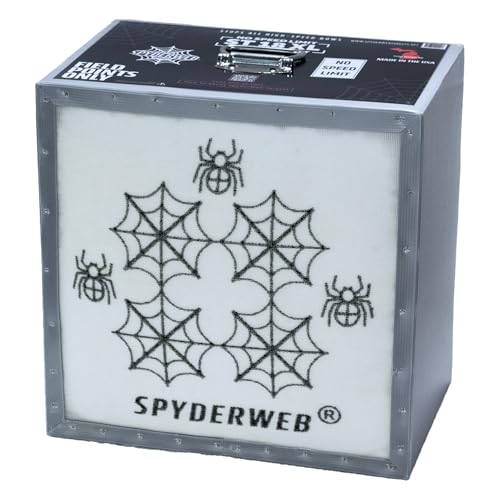
SpyderWeb ST-18XL Archery Target
Layered synthetic construction chases one number above all others: extraction force. Extra large face suits group practice and longer distances, where arrows spread across more of the target. Repeated hits on one spot do not open a hole as fast as a woven bag cover does.
Pros
- Arrows come out with very little effort
- Large face suits longer distance groups
- Center wear does not open quickly
Cons
- Bulky to move and store
- Cutting heads are not supported

GlenDel Full-Rut Buck 3D Archery Target
Printed circles teach aiming; a deer shaped body teaches picking a spot at an unknown angle. A four sided replaceable core sits in the vital zone, so you renew the section taking the shots rather than the whole animal. Field points and broadheads both work, which makes it a genuine pre season sighting tool.
Pros
- Trains shot placement instead of dot aiming
- Replaceable core resets the wear zone
- Realistic body size helps judge distance
Cons
- Awkward to store through winter
- Hits outside the core damage the shell
How they compare
| # | Model | Type | Best for | Score | Price |
|---|---|---|---|---|---|
| 1 | Morrell Yellow Jacket YJ-450 Field Point Bag Target | Bag target | Best overall | 9.4 | Check price |
| 2 | Block Classic 18 Archery Target | Layered foam block | Best value | 9.2 | Check price |
| 3 | Rinehart 18-1 Broadhead Target | Self healing solid foam | Best for broadheads | 9.0 | Check price |
| 4 | Hurricane H-25 Bag Target | Bag target | Best budget | 8.8 | Check price |
| 5 | Delta McKenzie Speed Bag Crossbow Target | Bag target | Best for crossbows | 8.6 | Check price |
| 6 | SpyderWeb ST-18XL Archery Target | Layered synthetic target | Best for easy arrow removal | 8.3 | Check price |
| 7 | GlenDel Full-Rut Buck 3D Archery Target | 3D deer target | Best for hunting practice | 8.0 | Check price |
What matters most
What to look for in an archery target Four numbers settle most of the decision: speed rating, shootable face count, arrow types accepted, and weight. Speed rating comes first, since a target built for recurve practice will swallow arrows from a fast compound. Face count predicts longevity, because wear spreads instead of concentrating in one hole. Broadhead compatibility only matters if cutting heads are part of your routine, and it costs money when it is not needed. Weight quietly decides whether the target gets carried back under cover, which is the single biggest factor in how long it survives.
Bag vs block vs 3D foam: which type suits your shooting Bag targets stop the most arrows for the least outlay and pull easiest, but woven covers cannot survive broadheads. Layered foam blocks add four shootable sides, real portability and, in broadhead rated versions, cutting head tolerance. Solid self healing foam handles broadheads best and lasts longest, at the highest weight. Animal shaped 3D targets train shot placement rather than absorb volume, so they are a supplement instead of a replacement. Plenty of home ranges settle on a bag for daily practice and something tougher for sighting in hunting heads.
Best archery targets for broadheads, crossbows and hunting practice Broadheads slice fill and fabric, so a bag target is destroyed within a handful of shots. Self healing foam like the Rinehart 18-1 is the standard answer, and blocks sold as broadhead rated work for lighter use. Crossbows create a different problem entirely. Bolt energy is high enough that ordinary bag fill either passes the bolt straight through or grips it solid, which is why crossbow rated designs use denser fill and reinforced covers. For pre season work on angles and shot placement, a 3D target with a replaceable vital core covers ground no printed face can.
How to make an archery target last a full season Rain rots bag fill, ultraviolet degrades foam, and freezing turns several materials brittle. Storing the target under cover between sessions extends its life more than buying the premium option ever will. Rotate faces every session so no single center packs down into a hole. Order a replacement core before the original fails, where the design offers one. An arrow puller pad costs very little and saves both your fingers and your fletchings across a long practice.
Frequently asked questions
Can you shoot broadheads into a bag target?
No. Cutting heads slice through the woven cover and shred the fill, and a bag target is usually ruined inside a handful of shots. Use self healing foam or a block specifically rated for broadheads.
What speed rating do I need for a fast compound bow?
Match the rating on the target to the speed your bow actually shoots, and buy up rather than down if you fall between ratings. Under rated targets let arrows bury to the fletching, which damages shafts and the target together.
Why are my arrows so hard to pull out?
Usually the material is denser than your setup needs, or repeated hits in one hole have compacted the center. An arrow puller pad fixes the grip problem immediately. Rotating to a fresh face solves the compaction.
Which archery target pulls easier, a bag or a foam block?
Bag targets and open layered foam both rely on friction along the shaft, so both release arrows easily. Dense self healing foam grips hardest, especially once broadheads are involved.
How long does an archery target last?
Storage and face rotation matter far more than brand. A bag kept indoors and rotated can cover a full season of regular shooting. That same bag left in the rain and shot in one spot can be finished within weeks.
Do I need a backstop behind my archery target?
Yes, for any home range. Worn targets eventually pass an arrow through, and a miss carries a long way. A dedicated backstop net or a solid barrier is basic range safety.
Which archery target is best for a young archer?
Pick a light bag or block with low pull force, sized so a child can extract their own arrows unaided. Youth bows produce little energy, so stopping power is not the constraint. Easy removal is what keeps kids shooting.
Is a 3D archery target worth it if you do not hunt?
For pure target archery, usually not. It wears in one zone, stores badly and gives less precise aiming feedback than a printed face. Its value sits entirely in practicing shot placement on an animal shape.
Can I leave an archery target outside all year?
Not without shortening its life sharply. Water soaks bag fill, sunlight breaks down foam, and frost makes several materials brittle. Even a tarp or a shed corner makes a large difference.
What is a replaceable target core and does it matter?
Some designs let you pull out the center section taking most of the hits and drop in a new one. Over a few seasons that cuts running costs noticeably, so check that inserts are still stocked before you commit.
The bottom line
Morrell’s Yellow Jacket YJ-450 fits the widest range of archers, because it stops fast arrows and still gives them back without a struggle. Choose the Block Classic 18 for four shootable sides and easy transport, or the Rinehart 18-1 when broadhead practice is non negotiable. Whichever you pick, rotate the faces and store it dry.