Outdoor Baseball Gear That Survives Sun, Dirt and Rain
Wilson A2000 leads because Pro Stock leather survives seasons of sun and dirt that flatten cheaper hides. Marucci CAT9 clears league play with its BBCOR stamp and balanced alloy barrel. Rukket Sports 7×7 Baseball Net stakes into a lawn, turning a backyard into usable hitting space.
For gear that lives outdoors, the Wilson A2000 deserves the most attention, since Pro Stock leather holds its shape for years. League play adds a certification hurdle, which the BBCOR-stamped Marucci CAT9 clears. A Rukket Sports 7×7 net converts a lawn into a practice space in under five minutes.
Outdoor kit fails in ways indoor training gear never does. Sun dries leather and weakens netting, dirt grinds into laces, and sealed damp bags grow mould. League rules create a second problem, because the stamp on a bat decides whether it can be used at all. We compared leather grades and break-in behaviour, bat certification, ball covers, net frames and bag capacity, then weighed owner reports after full seasons outside.
What we recommend

Wilson A2000 Baseball Glove
Pro Stock leather starts stiff and stays structured, which is why an A2000 keeps its pocket for years outdoors. Break-in is the real cost, since weeks of catch stand between the box and a glove that moves with your hand. Patterns exist for every position, from middle infield through catcher.
Pros
- Keeps its pocket shape across several seasons
- Pattern available for every fielding position
- Dense leather resists the drying that ruins entry hides
Cons
- Weeks of catch before it plays well
- Too stiff for a young or casual player
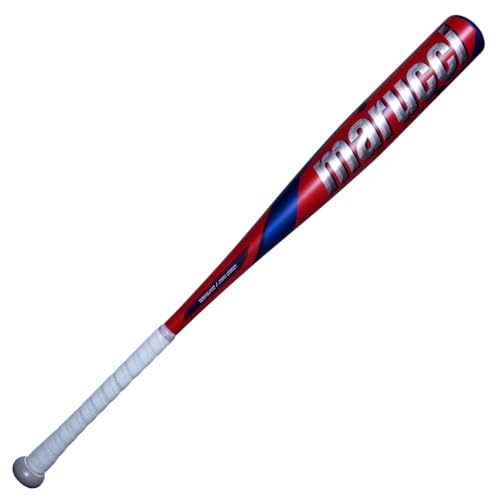
Marucci CAT9 BBCOR Baseball Bat
Marucci carried its wood-bat feel into alloy, and the CAT9 shows it in balance and contact feedback. A BBCOR stamp makes the bat legal for high school and college play. Alloy barrels do dent across long seasons, and leagues below high school usually require a different stamp entirely.
Pros
- BBCOR stamp clears high school and college play
- Balanced swing weight suits contact hitters
- Clear feedback on where the ball met the barrel
Cons
- Youth leagues often require USA or USSSA stamps instead
- Alloy barrels dent over a long season
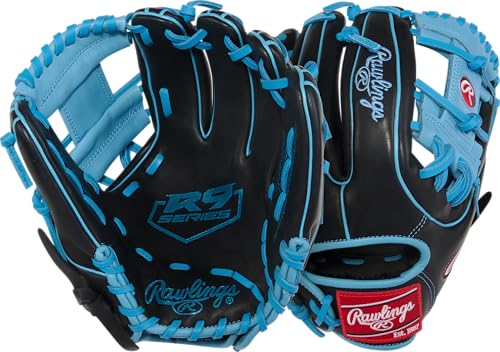
Rawlings R9 Series Baseball Glove
Rawlings pre-treats the hide, so an R9 plays within a week or two instead of a month. Leather quality still sits above entry gloves, without the wait a flagship demands. For a player who will size up in two seasons, that trade lands right, though the softer pocket loosens sooner.
Pros
- Playable within a week or two
- Real leather rather than a synthetic blend
- Sizes run from youth through adult
Cons
- Loses pocket shape sooner than premium hides
- Heavy use flattens the pocket

Rukket Sports 7×7 Baseball Net
Seven feet square catches most mishits, and ground stakes hold the steel frame down when wind picks up. Setup runs under five minutes, and the whole thing folds into a carry bag. Netting still degrades under constant sun, so packing it away between sessions adds seasons of life.
Pros
- Ground stakes keep the frame planted in wind
- Sets up and folds down in minutes
- Large face catches wild contact
Cons
- Sun weakens netting left out permanently
- Stakes need reasonably flat, soft ground
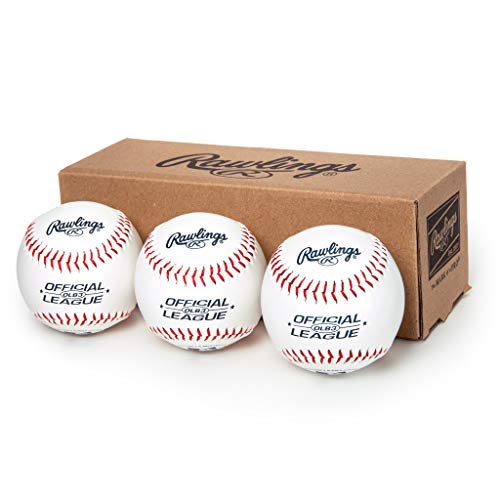
Rawlings Official League Recreational Baseballs
Synthetic covers shed dirt and damp far better than the leather used on game balls. Size and weight match official specifications, so drills carry over to real play. Buying by the dozen keeps a hitting session moving instead of pausing to hunt through grass.
Pros
- Synthetic cover handles dirt and damp
- Official size and weight for real drills
- Sold by the dozen for uninterrupted sessions
Cons
- Feel differs from a leather game ball
- Covers scuff quickly on concrete

Louisville Slugger Genuine Series 3X Ash Bat
Wood tells the truth about contact, because anything off the barrel registers instantly in the hands. Coaches use that feedback during batting practice to fix swings that metal hides. Ash flexes more than maple and forgives more, though every wood bat eventually breaks.
Pros
- Instant feedback teaches barrel control
- Ash flexes more than maple
- Lengths cover youth through adult players
Cons
- Snaps on repeated poor contact
- Not legal where certified metal bats are required

Easton E610W Wheeled Player Bat Bag
Two bats, a glove, cleats and a helmet get heavy on a walk from a car park. Wheels and a telescoping handle move that load without hanging it off a player’s shoulders. Separate compartments keep muddy cleats away from leather, though the wheels bog down in long grass.
Pros
- Rolls instead of loading a player’s shoulders
- Separate cleat compartment keeps dirt off leather
- Holds several bats plus a full kit
Cons
- Wheels struggle on grass and dirt
- Heavier than a shoulder bag when empty
Before you buy
What goes into an outdoor baseball kit Five things cover almost every outdoor session. A glove is the piece that lasts longest and matters most. One certified bat handles games, and a wood bat handles honest practice. A dozen synthetic-cover balls keep drills moving without constant retrieval. A staked net stops the ball so nobody spends the session chasing it. A bag then carries all of it from the car to the field. Everything beyond that list is refinement.
How to check bat certification before ordering Leagues set bat rules, manufacturers do not. BBCOR applies to high school and college play, and the Marucci CAT9 carries that stamp. USA Baseball and USSSA govern most youth leagues, with USSSA at 1.15 BPF running travel ball. Wood-only leagues have separate rules again. Umpires check the stamp on the barrel, so a bat without the right one sits in the bag. Confirm the requirement with a coach before ordering.
How sun, dirt and damp wear outdoor gear Ultraviolet light weakens netting and dries the oils out of leather. Dirt works into glove laces and grinds at them every time the glove closes. Sealed damp bags grow mould within days. Storage habits change all of this. Take nets down between weekends, keep gloves out of a hot car, and empty the bag after every game. Let cleats and kit dry fully before anything gets zipped away.
How to set up a backyard for real practice Two things make backyard work productive: somewhere for the ball to stop, and something to hit off. A staked net and a tee cover both. Add a bucket of a dozen or two practice balls so drills run without retrieving after every swing. Position the net so mishits travel away from windows, fences and neighbours. Walk the space and check what sits behind the net before the first session, not after.
How they compare
| # | Model | Leather | Best for | Score | Price |
|---|---|---|---|---|---|
| 1 | Wilson A2000 Baseball Glove | Pro Stock leather | Best overall | 9.4 | Check price |
| 2 | Marucci CAT9 BBCOR Baseball Bat | BBCOR certified | Best league bat | 9.2 | Check price |
| 3 | Rawlings R9 Series Baseball Glove | Treated pro grade hide | Best value glove | 9.0 | Check price |
| 4 | Rukket Sports 7×7 Baseball Net | 7 by 7 feet | Best backyard net | 8.8 | Check price |
| 5 | Rawlings Official League Recreational Baseballs | Synthetic leather | Best practice balls | 8.6 | Check price |
| 6 | Louisville Slugger Genuine Series 3X Ash Bat | Ash wood | Best wood bat | 8.3 | Check price |
| 7 | Easton E610W Wheeled Player Bat Bag | Wheeled player bag | Best gear bag | 8.0 | Check price |
Questions worth asking
What bat certification do youth leagues require?
Most little league and recreational programmes require the USA Baseball stamp, while travel ball generally runs on USSSA at 1.15 BPF. High school and college play uses BBCOR. Check the specific league rules before ordering, since umpires look for the stamp on the barrel.
How do you break in a new baseball glove?
Play catch with it as often as possible and work the pocket by hand between sessions. Apply a small amount of glove conditioner a few times a season, no more. Skip ovens, microwaves and oil soaking, which soften leather quickly and shorten its life just as quickly.
What size glove does my player need?
Size follows position. Infielders use smaller gloves for fast transfers, outfielders use larger ones for reach, and catchers and first basemen use specialised mitts. Youth sizes step up with age, so use a sizing chart rather than buying large for a child to grow into.
Are wood or metal bats better for practice?
Wood gives more honest feedback, because mishits register immediately in the hands. Many coaches run batting practice with wood even when games use metal. Metal is more forgiving and lasts longer, so plenty of players keep both in the bag.
Can you leave a practice net outside all season?
You can, but it will not last as long. Ultraviolet light weakens the netting and wind works at the frame joints. Taking the net down between sessions, or at least storing it over winter, adds seasons of life for a few minutes of effort.
How many practice balls do you need for backyard work?
A bucket of one or two dozen keeps a hitting session moving without constant retrieval. Synthetic-cover balls suit outdoor dirt and damp. Save leather game balls for actual games and pre-season timing work.
How do you clean a baseball glove after a muddy game?
Brush off loose dirt first, then wipe with a barely damp cloth and let it dry at room temperature. Apply a small amount of leather conditioner a couple of times a season. Never soak a glove or dry it near a radiator, since both stiffen and crack the leather.
Is a wheeled bat bag worth it?
For a player carrying several bats plus a helmet, cleats and a glove, yes, particularly on paved routes to a field. Wheels lose their advantage on soft grass and dirt. Players at fields with long grass approaches often prefer a backpack style bag instead.
What outdoor baseball gear should a beginner buy first?
Start with a glove that closes easily, a bat that carries the right stamp for the league, and a dozen practice balls. A net comes next, since it makes solo practice possible. Bags and wood bats can wait until the player is committed to a full season.
The verdict
For a committed player, the Wilson A2000 is the purchase that pays off longest, because a properly broken-in glove outlasts everything else in the bag. Pair it with the Marucci CAT9 where BBCOR is required, and check the stamp rules before ordering anything. A Rukket Sports 7×7 net and a dozen Rawlings practice balls then do more for a swing than any further gear.


