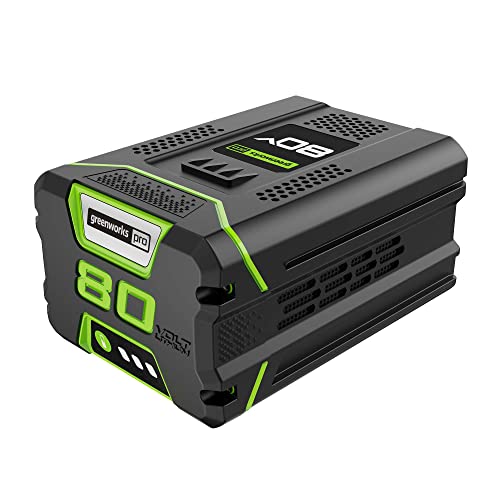
Power Up Your Tiller: Top Cultivator Batteries
The Greenworks 40V 4.0Ah Battery leads our list for most cultivator owners because it balances runtime and weight for medium gardens. Its main advantage is compatibility with many Greenworks tools, but its limitation is that it only fits Greenworks equipment.
Battery-powered cultivators free you from cords and gas, but the battery itself often determines how much work you finish. A weak pack stops mid-row, while a heavy one strains your arms. Choosing the right battery means matching voltage and amp-hours to your tiller’s demands and your garden’s size.
We compared top-rated batteries that fit popular landscaping cultivators, focusing on real owner feedback and technical specs. Whether you need a spare for quick swaps or a high-capacity pack for all-day tilling, our picks cover the range.
What we recommend
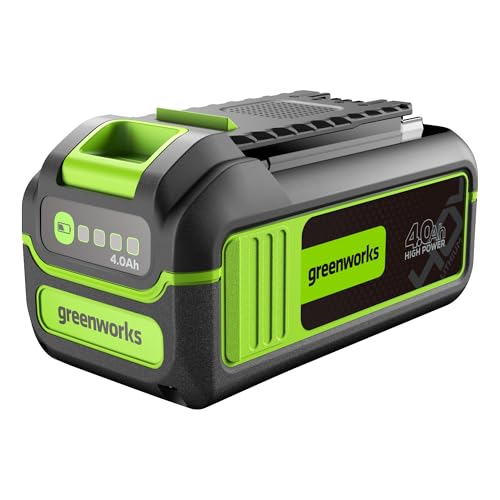
Greenworks 40V 4.0Ah Battery
Owners report consistent power and good runtime for most residential cultivator tasks. The 40V system provides ample torque for breaking new ground, and the 4.0Ah capacity handles a typical 1/4 acre lot on a single charge. It fits all Greenworks 40V tools, making it a versatile addition to your arsenal.
Pros
- Reliable performance with consistent power output
- Fast 45 minute charge time with Greenworks charger
- Lightweight design reduces fatigue
- Backed by a 4 year warranty
Cons
- Only works with Greenworks 40V tools
- Some users wish for a larger capacity option

Ryobi 40V 6.0Ah HP Battery
This high-capacity battery from Ryobi’s HP line offers 50% more runtime than standard 4.0Ah packs. It is designed for demanding tools like cultivators, providing consistent power until the last cell drains. Owners appreciate the fuel gauge that shows remaining charge, so you are never caught off guard.
Pros
- Up to 60 minutes of runtime in a cultivator
- Intelligent fuel gauge for accurate charge status
- Charge time of 60 minutes with rapid charger
- Compatible with all Ryobi 40V tools
Cons
- Heavier than lower capacity packs
- Charger not included in some packages

EGO Power+ 56V 5.0Ah Battery
EGO’s 56V architecture delivers more voltage, which translates to higher torque for tough soil. The 5.0Ah battery is built with weather-resistant construction, so it can handle dusty or damp conditions. Owners note that it maintains power even when the charge is low, unlike some batteries that slow down.
Pros
- High voltage for superior torque
- Weather-resistant housing for outdoor use
- Consistent power output throughout discharge
- Rapid charge in 50 minutes
Cons
- Price is higher than comparable 40V batteries
- Only fits EGO tools

DEWALT 20V/60V MAX 6.0Ah Battery
This DEWALT FlexVolt battery automatically changes voltage when you switch tools, giving 20V for drills and 60V for high-demand equipment like cultivators. Owners report that the 60V mode offers strong performance, and the battery is compatible with a wide range of DEWALT tools, making it a smart investment if you already own their ecosystem.
Pros
- Dual voltage compatibility with DEWALT tools
- High capacity for extended runtime
- LED fuel gauge for easy monitoring
- Durable construction with rubber overmold
Cons
- Requires a DEWALT charger for optimal charging
- May be overkill if you only need 20V

Greenworks 80V 2.0Ah Battery
For smaller cultivator tasks, the Greenworks 80V 2.0Ah battery offers a lighter alternative without sacrificing voltage. It is ideal for occasional use or as a spare. The 80V system provides plenty of power, but the lower capacity means shorter runtime, so it is best for small beds or quick touch-ups.
Pros
- Very light for its voltage class
- High voltage for effective tilling
- Charges in 30 minutes
Cons
- Short runtime on heavy soil
- Not compatible with 40V Greenworks tools

Kobalt 40V 5.0Ah Battery
Kobalt’s 40V battery offers a balance of price and performance for those using Kobalt cultivators. Owners report that it provides adequate runtime for typical backyard gardens. It is not the most advanced battery, but it gets the job done without breaking the bank.
Pros
- Affordable price point
- Good capacity for the price
- Compatible with all Kobalt 40V tools
Cons
- Charging time is longer (up to 90 minutes)
- Lacks advanced battery management features

SnapFresh 21V 4.0Ah Battery
SnapFresh offers a 21V battery that is often used with smaller electric cultivators. It is a universal option for many budget tools, though it is not as powerful as 40V or higher systems. Owners use it for light tilling in raised beds or containers. It is a cost-effective spare for less demanding tasks.
Pros
- Very affordable
- Lightweight and easy to handle
- Fits a wide range of generic 21V tools
Cons
- Lower power may struggle with hard soil
- Shorter lifespan compared to premium brands
How they compare
| # | Model | Voltage | Best for | Score | Price |
|---|---|---|---|---|---|
| 1 | Greenworks 40V 4.0Ah Battery | 40V | Best overall for Greenworks cultivators | 9.4 | Check price |
| 2 | Ryobi 40V 6.0Ah HP Battery | 40V | Best for extended runtime in large gardens | 9.2 | Check price |
| 3 | EGO Power+ 56V 5.0Ah Battery | 56V | Best for high torque and durability | 9.0 | Check price |
| 4 | DEWALT 20V/60V MAX 6.0Ah Battery | 20V/60V | Best for DEWALT FlexVolt cultivator users | 8.8 | Check price |
| 5 | Greenworks 80V 2.0Ah Battery | 80V | Best for lightweight and quick swaps | 8.6 | Check price |
| 6 | Kobalt 40V 5.0Ah Battery | 40V | Best budget-friendly option for Kobalt owners | 8.4 | Check price |
| 7 | SnapFresh 21V 4.0Ah Battery | 21V | Best for budget cultivators with universal fit | 8.0 | Check price |
How to pick the right one
Good to know
Can I use any battery brand with my cultivator?
No, you should use the battery brand that matches your cultivator’s manufacturer. Most brands design their batteries with specific connectors and voltage requirements that are not cross-compatible.
What voltage is best for a cultivator?
For light to medium duty, 40V is a good balance of power and weight. For tougher soil or larger areas, 56V or 80V provide more torque. Always check the manufacturer’s recommendation, as some cultivators are only rated for a specific voltage.
How long does a cultivator battery last on a single charge?
It depends on the capacity (Ah) and the soil conditions. A 4.0Ah battery might last 30-45 minutes in normal soil. A 6.0Ah battery can last up to an hour. Heavy clay or dense weeds will drain the battery faster.
Can I replace my old battery with a higher Ah one?
Yes, as long as the voltage matches and the physical size fits. Higher Ah batteries are usually larger and heavier but will give you longer runtime. Ensure the battery compartment can accommodate the size.
How do I store my battery in winter?
Store your battery indoors at room temperature, ideally charged between 30% and 50%. Avoid storing in freezing conditions or fully discharged. Charge it every few months to maintain health.
Why does my battery die quickly?
Batteries lose capacity over time. Also, using a battery that is too small for the task, or tilling in extreme conditions, can cause rapid depletion. Check for proper charging habits and store it correctly.
Are all 40V batteries from the same brand compatible?
Usually yes, if they are from the same brand and same voltage line. However, some brands have different generations. For example, Greenworks 40V batteries work across most 40V tools, but always verify compatibility with your model.
Can I use an 80V battery on a 40V cultivator?
No, using an 80V battery on a 40V tool can cause severe damage. The tool is only designed for its rated voltage. Always use the voltage specified by the manufacturer.
Our take
For most homeowners with a Greenworks cultivator, the Greenworks 40V 4.0Ah Battery is the clear winner, offering the best blend of runtime, weight, and reliability. If you need more endurance for a large garden, step up to the Ryobi 40V 6.0Ah HP Battery, which delivers extended runtime without too much bulk. EGO owners should stick with the EGO Power+ 5.0Ah for its superior torque and durability. For budget-conscious buyers with a Kobalt cultivator, the Kobalt 5.0Ah is a sensible choice. Avoid universal 21V options unless your cultivator is very light duty.