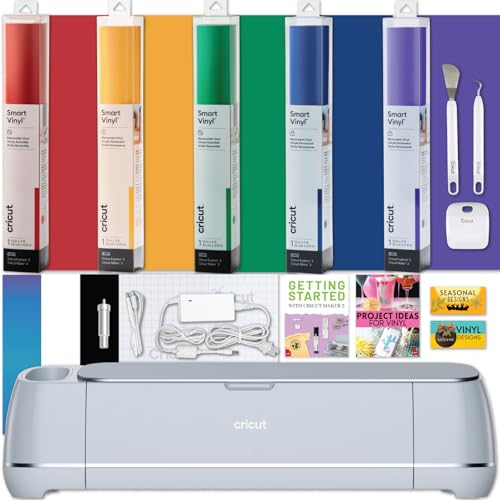
Die Cutting for Newbies: Top Picks to Start Crafting
For most beginners, the Cricut Joy Xtra is the best starting point because it is compact, easy to set up, and handles over 50 materials without a learning curve. Its main limitation is the small cutting width, which restricts projects to 4.5 inches wide.
Die cutting machines open up a world of creative possibilities, from custom cards to vinyl decals. For beginners, the right machine should be simple to learn, forgiving of mistakes, and not overwhelming with features.
We compared popular models from Cricut, Sizzix, and Silhouette to highlight their strengths and quirks. Whether you plan to cut paper, vinyl, or fabric, there is a machine here that fits your starting point.
Before you buy
Understand the Types: Manual vs Electronic Manual die cutting machines like the Sizzix Big Shot use a crank and physical dies. They are straightforward and require no software. Electronic machines like Cricut and Silhouette connect to a computer or app and cut designs from digital files. They offer more flexibility but have a learning curve.
Consider Your Materials Beginners often start with paper, cardstock, and vinyl. If you plan to cut fabric or thicker materials like leather, you will need a machine with more pressure, such as the Cricut Maker 3 or Silhouette Cameo 4. The Cricut Joy Xtra is limited to thinner materials.
Evaluate the Software and Connectivity Most electronic machines use a companion app or software. Cricut’s Design Space is popular for its ease of use, while Silhouette’s Studio offers more advanced features. Check if the software is compatible with your device and if it offers a free library of designs.
Budget Beyond the Machine Beyond the initial cost, you will need mats, blades, and materials. Some machines use proprietary cutting mats that wear out. Factor in the price of accessories when choosing your first machine.
The shortlist, ranked
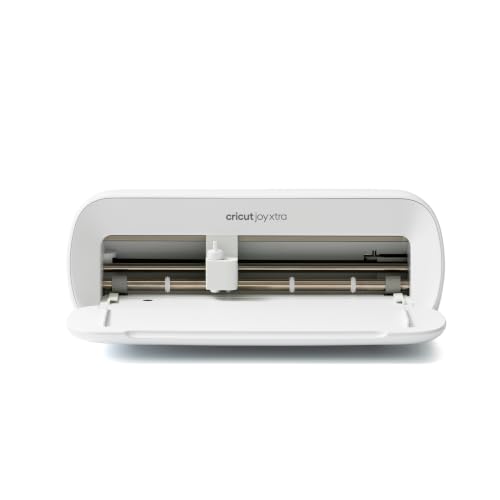
Cricut Joy Xtra
The Cricut Joy Xtra is a compact die cutting machine that cuts over 50 materials including vinyl, iron on, and cardstock. It sets up in minutes and pairs with the Cricut Joy app for step by step guidance.
Pros
- Very easy setup and operation
- Compact footprint fits small desks
- Affordable price point
Cons
- Cutting width is narrow
- Smart Materials cost more
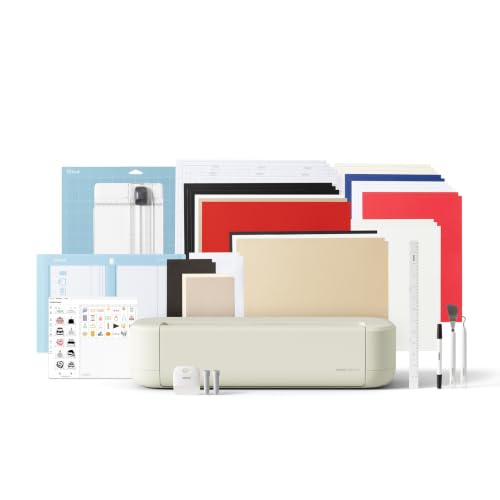
Cricut Explore Air 2
A long time favorite, the Explore Air 2 cuts over 100 materials with a 12 x 12 inch mat. It offers a large community of projects and a robust design space software.
Pros
- Huge library of free designs
- Double tool holder for scoring and cutting
- Handles a wide range of materials
Cons
- Software can be overwhelming at first
- Takes up more space than Joy

Silhouette Cameo 4
The Silhouette Cameo 4 offers a 12 inch cutting width and the ability to cut without a mat for certain materials. Its software is powerful yet has a steeper learning curve.
Pros
- Cuts thicker materials like chipboard
- No mat cutting for vinyl and paper
- Adjustable force and speed
Cons
- Software not as intuitive for novices
- May be more than a beginner needs

Sizzix Big Shot Plus
A classic manual die cutting machine that uses a simple crank system. It is ideal for cutting shapes with steel rule dies and embossing folders.
Pros
- No software or computer needed
- Durable construction
- Quiet and portable
Cons
- Requires purchasing individual dies
- Limited to physical die shapes

Silhouette Portrait 3
A smaller, more affordable version of the Cameo, the Portrait 3 cuts up to 8 inches wide. It is a solid entry point for those who want a Silhouette machine but have a lower budget.
Pros
- Lower price than Cameo
- Saves space
- Same software as Cameo
Cons
- Narrower cutting width
- Less powerful motor

Cricut Maker 3
The Maker 3 is Cricut’s most powerful machine, capable of cutting 300 plus materials including leather, balsa wood, and fabric without a mat. It is an investment but offers unmatched versatility.
Pros
- Cuts thick materials with rotary blade
- Faster cutting speed
- Two tool holders for multi step projects
Cons
- More expensive
- Overkill if you only cut paper
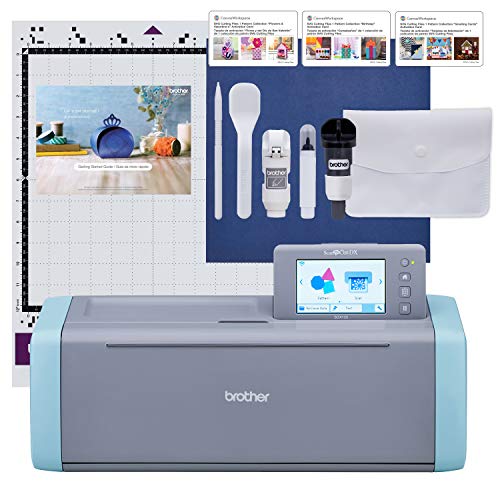
Brother ScanNCut DX
The Brother ScanNCut DX has a built in scanner that lets you copy drawings or printed designs and cut them out. It works without a computer, making it unique.
Pros
- No computer or software needed
- Scan and cut your own drawings
- Large touchscreen display
Cons
- Higher price
- Bulky footprint
How they compare
| # | Model | Cut width | Best for | Score | Price |
|---|---|---|---|---|---|
| 1 | Cricut Joy Xtra | 4.5 inches | Total beginners with limited space | 9.4 | Check price |
| 2 | Cricut Explore Air 2 | 11.5 inches | Beginners who want versatility | 9.1 | Check price |
| 3 | Silhouette Cameo 4 | 12 inches | Beginners planning advanced projects later | 8.9 | Check price |
| 4 | Sizzix Big Shot Plus | 9 inches | Manual die cutting for cards and crafts | 8.7 | Check price |
| 5 | Silhouette Portrait 3 | 8 inches | Budget conscious beginners | 8.5 | Check price |
| 6 | Cricut Maker 3 | 11.5 inches | Beginners who want to cut fabric and leather | 8.8 | Check price |
| 7 | Brother ScanNCut DX | 12 x 24 inches | Beginners who want scanning capability | 8.2 | Check price |
Good to know
What is the easiest die cutting machine to use for a beginner?
The Cricut Joy Xtra is often recommended for complete beginners because of its compact size and intuitive app. It has fewer settings and a simple design that allows you to start cutting within minutes.
Do I need a computer to use a die cutting machine?
Not always. Manual machines like the Sizzix Big Shot do not require any electronics. Some electronic machines, like the Brother ScanNCut, have a built in screen and do not need a computer. Others, like Cricut and Silhouette, rely on a smartphone, tablet, or computer via Bluetooth or USB.
What can I cut with a beginner die cutting machine?
Most beginner friendly machines can cut paper, cardstock, vinyl, and heat transfer material. Some, like the Cricut Maker 3, can cut fabric and thin wood. Always check the machine’s specifications for material thickness limits.
Are die cutting machines worth it for occasional crafters?
If you enjoy crafting and want to create professional looking projects, a die cutting machine can be a worthwhile investment. For occasional use, a manual machine like the Sizzix Big Shot might be more cost effective, as it has no software or electronic maintenance.
How much do beginner die cutting machines cost?
Prices vary widely. Manual machines and small electronic ones like the Cricut Joy Xtra are generally more affordable, while larger and more capable machines like the Cricut Maker 3 are more expensive. It is important to consider the cost of ongoing supplies.
Can I use free designs with my die cutting machine?
Yes, many electronic machines have built in design libraries with free options. Cricut Design Space offers free images and projects, and Silhouette Studio has a free basic version. You can also upload your own SVG files.
What is the difference between a die cutting machine and a cutting plotter?
The terms are often used interchangeably. A cutting plotter typically refers to a machine that cuts vinyl and other materials using a blade, while a die cutting machine can also use physical dies. Electronic cutting machines are essentially plotters.
How long does it take to learn a die cutting machine?
Most beginners can start a first project within an hour of setup, especially with machines like the Cricut Joy Xtra. However, mastering advanced features and software may take several weeks of practice.
What maintenance does a die cutting machine need?
Keep the blade and cutting mat clean. Wipe away dust and adhesive residue. Replace blades when they become dull. For manual machines, you may need to occasionally lubricate the gears according to the manufacturer’s instructions.
Our pick
If you are a true beginner looking for a simple and compact machine, choose the Cricut Joy Xtra. For those who want room to grow and a wider range of materials, the Cricut Explore Air 2 offers a balanced combination of ease and capability. Avoid overspending on a Maker 3 unless you know you will cut thick materials.